
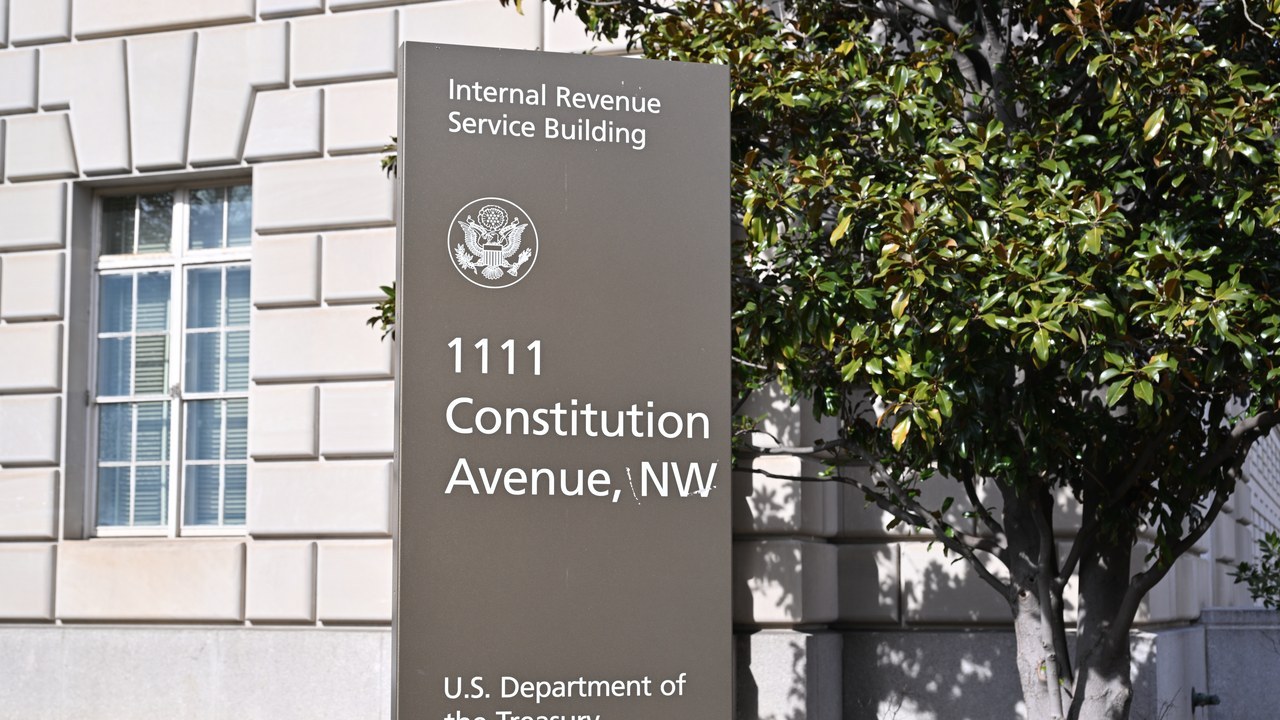
Every quarter, the Internal Revenue Service recalculates the interest rate it charges on tax bills that go unpaid, and for the final quarter of 2026 the number did not move. Individual filers who still owe money after October 15 — the deadline for anyone who requested a filing extension back in the spring — will keep paying interest at an annual rate of 7 percent, compounded daily, on whatever balance remains. The rate has now held steady for a second straight quarter, even though the mechanics behind it are less familiar to most households than the number itself.
Why the Rate Held at 7 Percent for the Fourth Quarter
The IRS sets its interest rate every three months using a formula fixed in the tax code rather than a policy choice made case by case. For non-corporate taxpayers, the underpayment and overpayment rate is tied to the federal short-term rate plus three percentage points, recalculated from market conditions in the month before the new quarter begins. Because short-term rates barely shifted between the spring and midyear readings, the number landed in the same place for a second consecutive quarter.
The agency confirmed the figure in IR-2026-98, announced August 21, covering the calendar quarter that runs from October 1 through December 31, 2026. For individuals, both the underpayment and overpayment rate sit at 7 percent a year, compounded daily; corporations pay the same 7 percent on underpayments but only 6 percent on ordinary overpayments, with large corporate underpayments charged 9 percent.
Free download: What each refund-status message means, the direct-deposit and paper-check paths, and when to follow up with the IRS. Get the free refund delay decision tree.
The Extension Only Moves the Filing Deadline, Not the Payment One
October 15 matters because it is the outer edge of the six-month filing extension most individual taxpayers request using Form 4868. What that extension buys is extra time to prepare and submit a return — it does not buy extra time to pay whatever tax is owed. The IRS’s own guidance on the extension process spells this out directly: taxes for the 2025 tax year were still due April 15, 2026, and any balance left unpaid after that date has been accruing interest since then, regardless of when the paperwork itself gets filed.
That distinction trips up a predictable number of filers every year. Someone who requested an extension in April, finished the return in early October, and finally paid the balance on October 15 has not avoided interest by filing “on time” — the clock started six months earlier. The IRS’s extension guidance recommends paying an estimate of what is owed by the April deadline even when the return itself will come later, precisely to limit how much interest builds in the gap.
How Daily Compounding Turns a Flat Rate Into a Moving Target
A 7 percent annual rate sounds like simple math, but the IRS does not calculate it that way. Interest compounds daily, meaning each day’s interest charge gets added to the balance before the next day’s interest is calculated. Over a full year, daily compounding at a 7 percent nominal rate produces slightly more than 7 percent in total interest, and the exact amount depends on how long the balance sits unpaid and whether any partial payments were made along the way. Because the IRS recalculates the rate every quarter and applies it to a balance that already includes previously added interest, a debt carried across two or three quarters accumulates faster than a simple one-year, 7 percent calculation would suggest.
The IRS’s own explanation of how the charge works makes clear that the interest clock is unusually persistent: it starts on the original due date of the tax, keeps running even if a filing extension is in place, and applies not only to the unpaid tax itself but to any penalties and to interest already accrued. According to the agency’s underpayment interest page, the only way to stop the daily accrual entirely is to pay the full balance — partial payments slow the growth but do not pause it.
The Failure-to-Pay Penalty Rides Along on Top of the Interest
Interest is not the only charge that builds on an unpaid tax bill. The IRS separately assesses a failure-to-pay penalty of 0.5 percent of the unpaid balance for each month or partial month the tax remains outstanding, on top of whatever interest is accruing in parallel. That penalty is capped at 25 percent of the unpaid tax, but it starts accumulating from the same April due date as the interest, which means a balance carried from spring into fall has usually picked up several months of penalty charges before the extension deadline even arrives.
There is one meaningful offramp built into the penalty structure. Under the IRS’s own rules, a taxpayer who filed on time and has an approved payment plan gets the failure-to-pay penalty cut in half, to 0.25 percent a month, for as long as the plan stays in good standing. Interest keeps accruing at the full 7 percent regardless, since the agency’s failure-to-pay penalty rules treat penalty relief and interest as separate calculations — reducing a penalty can lower the interest tied to it, but the underlying quarterly rate is fixed by law either way. In practice, a payment plan does not stop the meter from running, but it converts an open-ended, growing monthly penalty into a fixed one, which for a household budgeting month to month can matter as much as the headline rate itself.
The Same Clock Runs in Reverse When the IRS Owes Money Back
The 7 percent figure is not one-directional. IR-2026-98 sets the same rate for individual overpayments as for underpayments, meaning the IRS pays interest on money it holds too long, not only the reverse. That interest, however, does not start the moment a return is filed — the agency gives itself an administrative window, typically 45 days, to issue a refund before overpayment interest begins to accrue. A refund that arrives inside that window carries no interest at all; one that takes longer starts earning it from the point the window closes, at the same rate that applies to everyone still carrying a balance the other way.
The Sequence a Delayed Refund Actually Requires
A refund that goes missing past the 45-day window does not resolve itself with a phone call or a status-page refresh; it follows a specific paper trail that most filers have never had to use, and the interest math above only ever gets checked once that trail is walked correctly. There is no single official page that lays out the order of steps, so households tend to guess at what comes first and lose weeks in the process.
The IRS Refund Recovery Kit assembles the refund-trace steps (Form 3911) alongside a refund status tracker spreadsheet built to keep dates and reference numbers in one place.
Read the refund-trace steps in The IRS Refund Recovery Kit.
AI-assisted research and drafting; reviewed by an editor.


