
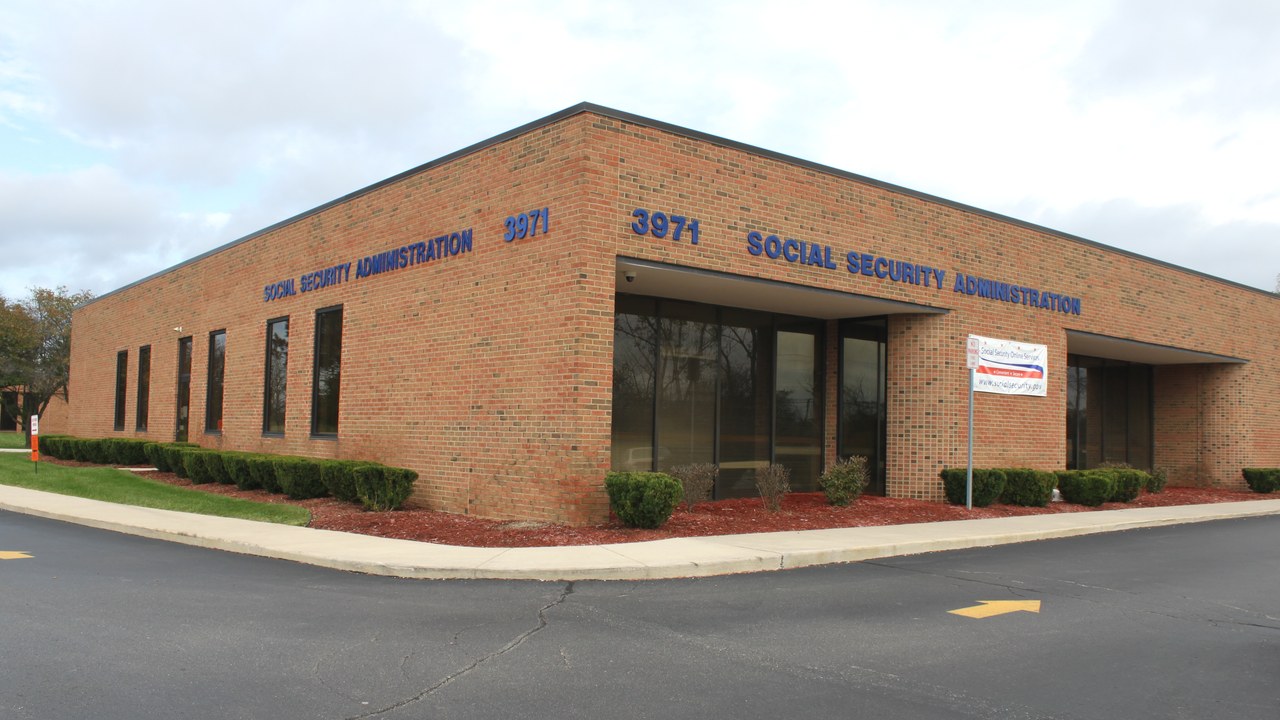
The Social Security Administration has quietly dropped a promise it made in 2024 to hold an annual January review of the $9,200 cap on what a disability representative can collect from a client’s back pay. That review was due to start this January. It never happened, and the agency has told the public in writing that it does not intend to run one going forward unless it decides on its own to raise the cap. For claimants who hire a lawyer or non-attorney representative to pursue Social Security disability or SSI back pay, that fixed dollar number decides how much of a retroactive check goes to the household and how much goes to the person who represented them.
The $9,200 Cap Under Section 206(a) of the Social Security Act
When a Social Security disability or SSI claimant hires a representative and later wins back pay, the fee that representative can charge is limited by law to whichever is smaller: 25 percent of that past-due money, or a fixed dollar ceiling the Commissioner of Social Security sets. Claimants and representatives call that ceiling the fee cap, and it governs the standard fee agreement process used in most disability and SSI representation cases, whether the representative is an attorney or a non-attorney eligible for direct payment. Many claimants who reach a hearing before an administrative law judge are represented, and the fee typically comes directly out of the retroactive award rather than as a separate out-of-pocket payment.
SSA last moved that ceiling in a notice raising it to $9,200 for any favorable decision issued on or after November 30, 2024, acting under Section 206(a)(2) of the Social Security Act. The same 2024 notice also promised something new: starting in January 2026, SSA would publish a Federal Register notice every year explaining whether the cap should rise with the prior year’s Social Security cost-of-living adjustment or stay where it is. That promised yearly checkpoint, not the $9,200 figure itself, is what SSA has now abandoned.
Free SSI and disability checkup: SSI and SSDI treat work and income differently, and a review looks at both. Get organized with the free checkup.
Free download from RetireShield. Getting it also signs you up for the free Retirement Money Brief, a weekday email. Unsubscribe anytime.
SSA’s May 2025 Notice Scrapped the Annual COLA Review
That annual-review commitment lasted about a year. In a Federal Register notice dated May 6, 2025, SSA said it would keep the $9,200 cap in place but would no longer publish a yearly notice addressing whether to raise or hold it. The agency’s stated reason was administrative burden — producing a rationale every year, even in years it chose not to move the number, was described as an unnecessary use of resources. The notice, signed by then-Acting Commissioner Leeland Dudek, framed the change as consistent with Administration priorities to allocate agency resources more efficiently, rather than as a reduction in how the cap gets reconsidered.
Going forward, SSA said, it will publish a notice only in years it actually raises the cap, which removes the standing yearly schedule entirely. January 2026 came and went without the review the 2024 notice had promised, and none is required under the rescission SSA issued in its place. The only remaining trigger for a new notice is SSA choosing, on its own initiative, to raise the number again.
How a Fee Agreement Differs From a Fee Petition
The fee agreement is not the only way a representative gets paid, and the $9,200 cap only applies to it. If a representative and claimant do not submit a valid fee agreement before SSA’s first favorable decision, or SSA disapproves the one they submit, the representative must instead file a fee petition — a separate request SSA reviews on its own terms rather than through the automatic 25-percent-or-$9,200 formula. The two processes are not interchangeable once a decision is made; a representative cannot switch from a fee petition back into a capped fee agreement mid-case, even if switching would produce a larger fee.
Representatives may write their own agreement language rather than use SSA’s model form, as long as it meets the statutory conditions above. Whichever form the agreement takes, the fee approved at the time of the favorable decision becomes the maximum the representative may charge and collect for the entire claim, including any later appeal that raises the same past-due benefits.
What a Frozen Fee Ceiling Means for a Growing Back-Pay Check
The dollar ceiling only matters once 25 percent of a claimant’s past-due benefits would otherwise exceed it — in round numbers, once retroactive back pay passes roughly $36,800. Multi-year SSDI and SSI backlogs routinely produce awards above that line, and annual Social Security cost-of-living adjustments push monthly benefit amounts, and the back pay tied to them, higher most years. A representative who wins a $50,000 retroactive award, for example, is still limited to $9,200 rather than the $12,500 that 25 percent would otherwise allow, leaving the remaining $3,300 with the claimant instead. Without the annual review, that gap has no built-in mechanism to close as benefit amounts rise.
Social Security’s own representation guidance still cites the November 2024 rate as the operative figure, with no newer Federal Register notice listed to supersede it — confirmation that, absent a new notice SSA no longer commits to issuing on any fixed schedule, $9,200 remains the ceiling governing every fee agreement it approves today.
SSI Income and Reporting Rules Run on a Different Clock Than the Fee Cap
The Section 206(a) fee cap discussed above governs only what a representative may collect once SSA decides a case — it has nothing to do with the separate income and work rules an SSI recipient must keep reporting while a claim or an ongoing award stays active. Those reporting rules run on their own clock, independent of whatever SSA does or does not do with the fee-agreement cap, and a missed report can change a household’s benefit faster than any representative’s fee ever would.
The SSI & Disability Action Kit is a 10-page kit with the 2026 SSI income and resource limits, the rules for working without losing benefits, review and reporting steps, and an income and resource organizer.
See the SSI & Disability Action Kit.
AI-assisted research and drafting; reviewed by an editor.


