
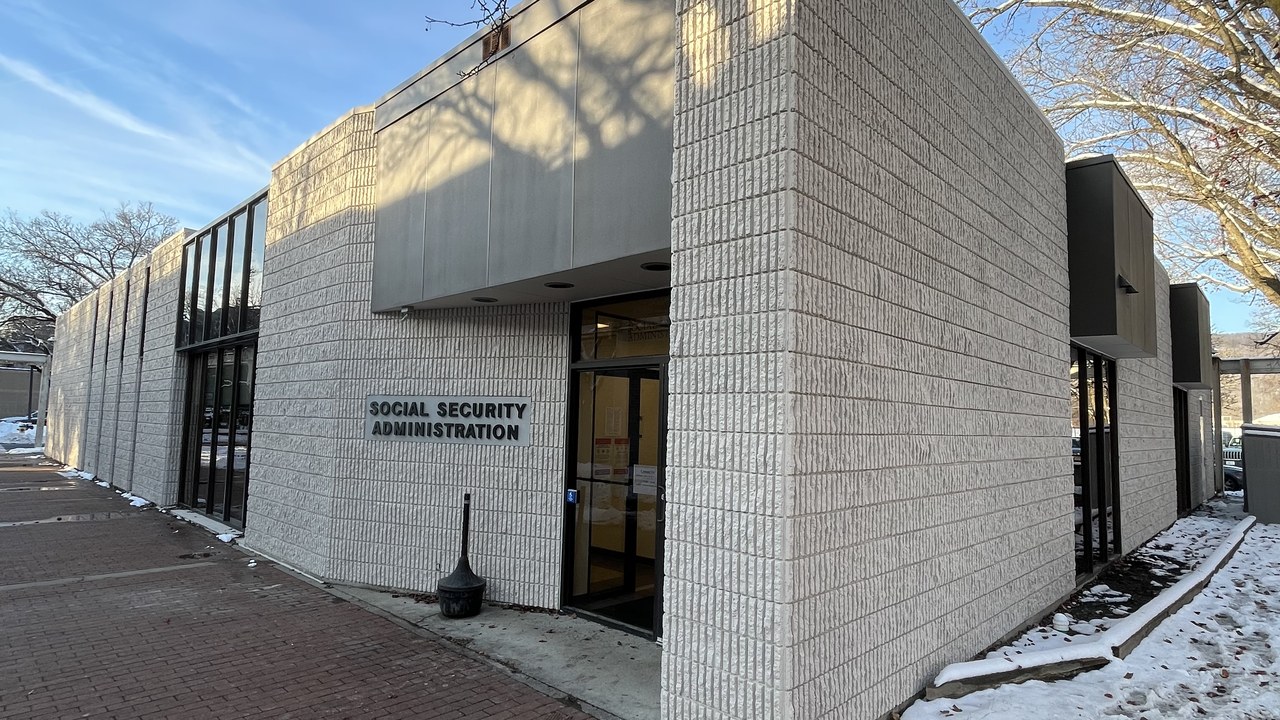
Nearly half of the Social Security overpayment notices reviewed by the agency’s watchdog did not meet policy requirements, according to a September 4 audit release. The SSA Office of the Inspector General found deficiencies in 46 percent of the notices it reviewed. That finding does not cancel an overpayment or establish that every notice is wrong, but it does show why the wording, amount and appeal information on a notice deserve close attention.
What the OIG found in the notice review
The OIG audit release says 46 percent of the reviewed Old-Age, Survivors and Disability Insurance overpayment notices did not meet SSA policy requirements. The reported deficiencies included missing explanations of how and when an overpayment occurred, omitted reconsideration and waiver rights, inaccurate dollar amounts, conflicting or unclear language, and too little detail about calculations.
The audit also reviewed requests for an explanation. It found that SSA employees incorrectly processed 79 of 125 sampled requests, or 63 percent. Based on statistical projections, the OIG estimated that more than 469,000 overpayment notices and more than 7,000 explanation requests were incorrectly processed in fiscal year 2023.
These are audit findings about the quality of notices and processing. They are not a blanket announcement that all overpayments are invalid. An overpayment can still be real even if the first notice did not explain it adequately. Conversely, a vague notice can make it much harder for a beneficiary to understand what action is being taken or which review option applies.
Free weekday retirement brief: Social Security, Medicare, and the IRS change the rules every year — and no notice arrives in the mail. The Retirement Money Brief by RetireShield explains one change every weekday: what moved, who it affects, and the step to take. Get the free brief.
Why an overpayment notice is more than a bill
An SSA overpayment notice is a legal and administrative document. It typically tells a beneficiary that SSA believes more was paid than should have been paid and describes how the agency plans to recover the amount. The notice can also identify options to ask for reconsideration, seek a waiver, or propose a different repayment arrangement, depending on the circumstances.
Those options do different jobs. A reconsideration asks SSA to review whether there was an overpayment or whether the amount is correct. A waiver asks SSA not to recover an overpayment in circumstances set out by program rules. A repayment discussion concerns how an amount will be collected. Confusing those paths can affect what evidence is needed and how quickly a response must be made.
The OIG said missing or unclear explanations can delay recovery and increase administrative costs as well as harm beneficiary understanding. That is why a notice should be read as a record to verify, not simply as a balance to accept without checking.
Records that can clarify a disputed amount
The most useful information depends on why SSA says an overpayment occurred. A claim connected to work may require wage records. A change in living arrangement or marital status may require the notices and reports sent to SSA. A dispute over a benefit calculation may require prior award notices, bank records and correspondence. Keeping the envelope and every page of the notice can also matter because the agency’s dates and stated response period are part of the record.
An explanation request is especially important when the notice does not identify the period, calculation or event that produced the amount. The OIG’s finding that explanation requests were sometimes mishandled does not remove normal deadlines. It reinforces the value of asking for a clear written explanation promptly and maintaining copies of all communications.
What the audit says SSA agreed to do
The inspector general issued six recommendations to strengthen controls, improve notice accuracy, require policy-compliant templates and improve documentation and processing. SSA agreed to implement the recommendations, according to the release. That agreement is a commitment to corrective action, not evidence that every old notice has already been reviewed or corrected.
The audit concerns fiscal year 2023 notices and requests, but the release was issued in September 2026. The current news is the watchdog’s recent publication of the findings and recommendations. Readers should not assume that an issue from the audit automatically applies to a notice received in 2026; each case remains fact-specific.
The practical lesson from the 46 percent figure
The 46 percent figure does not give a person permission to disregard a notice. It does make one lesson clear: a notice should explain the event, time period and calculation well enough for the recipient to understand what SSA says happened. If it does not, the record may need clarification through the available administrative process.
It is also important not to confuse an overpayment notice with a scam. SSA has its own official notice procedures, and a recipient can use contact information already associated with SSA or printed on official correspondence rather than a number offered in an unexpected call or text. A careful verification step protects both against overlooked appeal rights and against impersonation.
The OIG’s report is evidence that notice quality can fail at a meaningful rate. The appropriate response is not a promised outcome but an informed record review: identify the claimed period, compare it with the household’s information, and use the rights stated in the actual notice.
The form the notice never names
An overpayment notice sets a deadline and a withholding rate, but not which form pauses collection while it is disputed.
The Social Security Check Protection Kit includes an 18-page kit, the 2026 payment calendar and the three SSA forms that stop or pause collection (SSA-561, SSA-632, SSA-634).
See the three SSA forms in The Social Security Check Protection Kit.
AI-assisted research and drafting; reviewed by an editor.


