
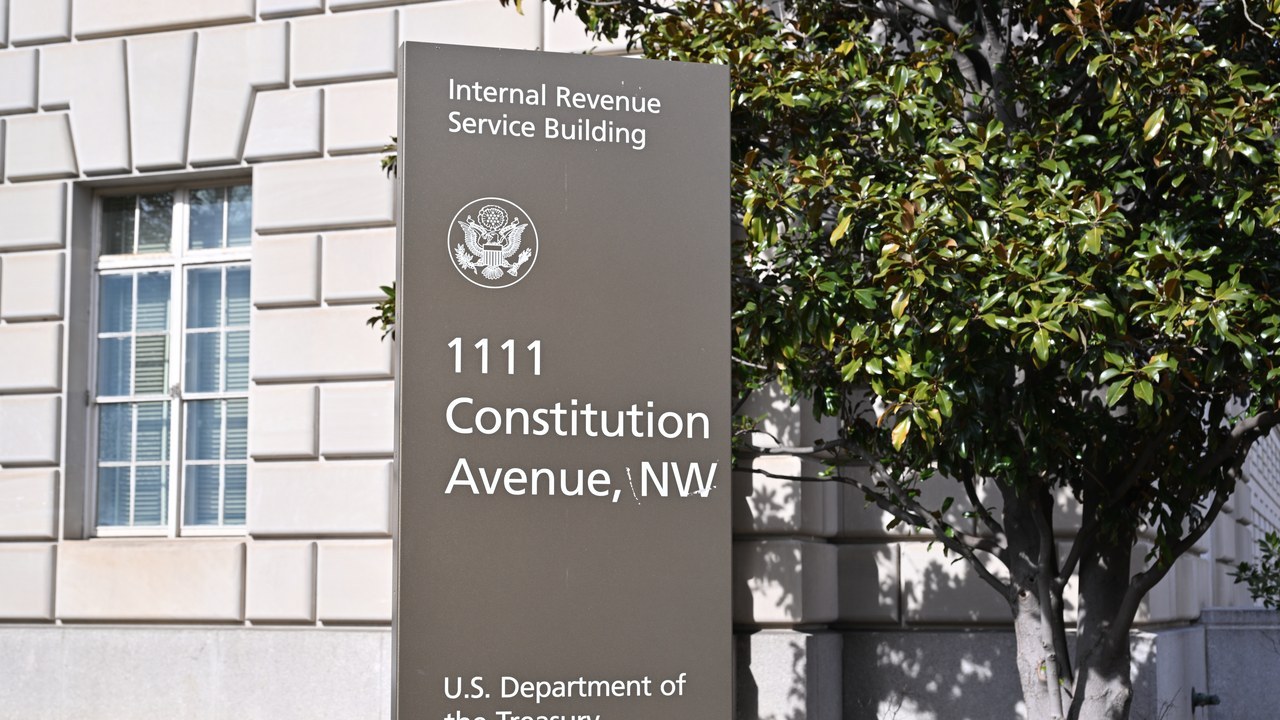
Two numbers moved in opposite directions inside the IRS this year, and both point in the same direction for taxpayers: enforcement is shifting away from face-to-face audits of high earners and toward mass-mailed notices. Examinations of people with more than $400,000 in income fell 27 percent from fiscal 2024 to fiscal 2025, even as the number of notices sent to people who appear not to have filed at all nearly doubled. The shift says less about who the IRS wants to catch than about who it currently has the staff to chase.
Audits Of Individual Returns Fell Across The Board
The number of individual examinations the IRS started dropped 30 percent from fiscal 2024 to fiscal 2025, and the decline was sharper for higher earners. Examinations of taxpayers with more than $400,000 in total income fell 27 percent over the same period.
Those figures come from the inspector general’s fiscal 2025 compliance report, which found the drop reverses a trend from the prior year, when the IRS had been shifting audit resources toward higher-income examinations under a 2022 Treasury directive that specifically protected households earning $400,000 or less from increased audit rates. Then-Treasury Secretary Janet Yellen issued that directive in August 2022, stating that new Inflation Reduction Act funding would focus on high-end noncompliance and that audit rates for households and small businesses earning $400,000 or less would not rise above their historical levels, measured against tax year 2018 coverage rates. The dollar totals moved the same direction as the case counts: total proposed additional tax from examinations fell from $31.9 billion in fiscal 2023 to $29.0 billion in fiscal 2024 and then to $26.8 billion in fiscal 2025, a decline driven mainly by field examinations, the more intensive audits that typically involve a face-to-face review of a taxpayer’s records. Revenue collected directly by the examination function fell even faster in percentage terms, from $10.0 billion in fiscal 2024 to $6.5 billion in fiscal 2025, a 35 percent one-year drop that was the single largest driver of the overall enforcement-revenue decline; revenue from the Large Business and International Division, which oversees the largest corporations and wealthiest individuals, fell 19 percent in fiscal 2025 after jumping 49 percent the year before during the IRA-funded hiring surge.
Free retirement updates: Keep more of your Social Security and savings with plain-English updates on the changes, deadlines, and costly mistakes retirees miss. Subscribe free.
Nonfiler Notices Nearly Doubled In A Single Year
While in-person and correspondence audits pulled back, one enforcement channel expanded sharply: the IRS sent 3,157,055 nonfiler notices in fiscal 2025, up from 1,679,141 the year before, an 88 percent increase that is close enough to call nearly double. Unlike an audit, a nonfiler notice does not require a revenue agent to review a case file; it is an automated letter generated once IRS records show income was reported but no return arrived. That makes it a far cheaper enforcement tool to scale up during a stretch when the agency has fewer people available to do the harder work of an audit. Nearly all of the fiscal 2025 increase came from a single tax year: 2,922,671 of the 3,157,055 notices sent that year targeted potential tax year 2023 nonfilers, compared with just 147 notices for that same tax year a year earlier, before enough time had passed for the IRS to identify the missing returns.
A Workforce That Shrank By More Than A Quarter
Both trends trace back to the same root cause: staffing. The IRS’s combined examination and collection workforce fell from 27,217 employees at the end of fiscal 2024 to 19,612 at the end of fiscal 2025, a 27 percent drop, and kept falling to 17,517 by January 10, 2026, as federal workforce-reduction efforts that began in early 2025 took hold. The Large Business and International division’s high-wealth examination program alone had 27 percent fewer employees by January 2026 than before the reductions began. Fewer revenue agents and tax compliance officers means fewer of the labor-intensive audits that tend to produce the largest recoveries per case, which helps explain why the agency leaned harder on automated notices instead. The IRS reports these same staffing and enforcement totals itself, year over year, in its own annual Data Book.
The reductions did not land evenly across the year or across programs. Examination closures in the Small Business/Self-Employed Division, which handles most individual audits, fell 26 percent from the second quarter of fiscal 2025 to the third and stayed at that lower level through year-end; the division’s proposed additional tax fell 16 percent in that same quarter and another 16 percent in the fourth. The Global High Wealth program, the unit inside the Large Business and International Division that examines the country’s wealthiest individuals, had 27 percent fewer employees by January 2026 than before the reductions began, and when the IRS rehired some of the probationary staff it had let go, the practice area covering high-wealth partnerships and estates got back only 53 percent of them, compared with 68 percent across the division’s remaining practice areas.
Why High-Income Audits Are Harder To Replace With A Letter
The IRS’s own commissioner previously acknowledged that audit selection had leaned more heavily on lower-income taxpayers than intended, driven partly by Earned Income Tax Credit examinations that are cheaper to process by correspondence, a pattern detailed in a 2023 letter to Congress. The Taxpayer Services division has since worked fewer EITC cases and shifted toward other correspondence exams, including improper fuel-tax and other frivolous credit claims, while more resource-intensive field audits of high earners and large partnerships, the audits that typically recover the most money per case, declined even further. Partnership examination starts alone fell 76 percent from fiscal 2023 to fiscal 2025, from 6,709 down to 1,589, while large corporate examinations moved in the opposite direction on volume but not on dollars: examination starts rose 7 percent and closures rose 29 percent, yet the recommended additional tax from those corporate audits fell 41 percent, from $17.7 billion to $10.5 billion, over the same three years. TIGTA made no recommendations in this report and IRS officials who reviewed it agreed with its facts and conclusions, meaning none of the shifts described here are operating under any formal directive to reverse.
Inside the kit
A notice decoder, the refund-trace steps for Form 3911, a refund status tracker spreadsheet and the 3-year refund deadline.
The IRS Refund Recovery Kit includes a 13-page kit, a notice decoder and the refund-trace steps (Form 3911).
Open The IRS Refund Recovery Kit.
This article was produced with AI assistance and reviewed by a human editor. Figures are linked to their primary sources; where a claim could not be verified from the public record, we say so.


