
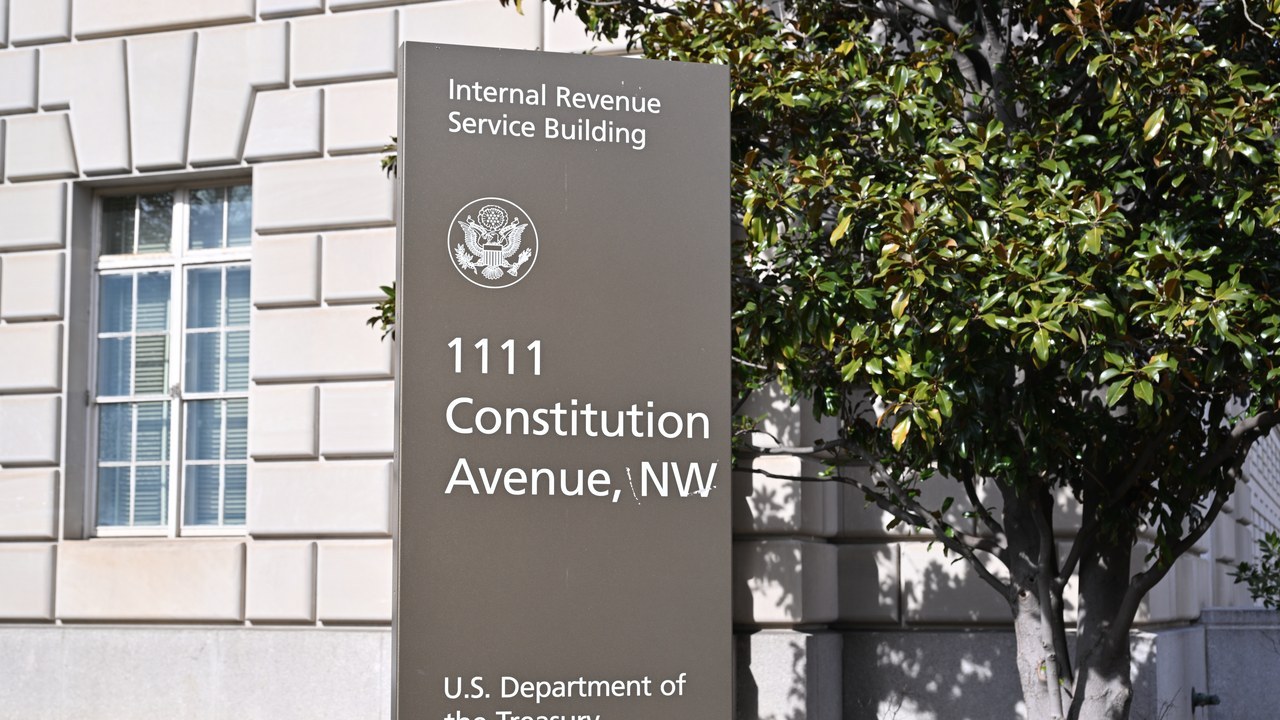
Three separate federal disaster declarations, issued the same day for three different states, have pushed a wide range of tax deadlines to November 2, 2026, for households and businesses in the affected counties. The relief covers late 2025 income tax returns, quarterly payroll deposits and estimated tax payments, all landing on the same date regardless of which state a taxpayer calls home. For a family still replacing a roof or drying out a basement, the postponement means one less deadline to track while the more urgent repairs get done.
Three Storms, Three States, One November Deadline
The Internal Revenue Service issued all three disaster declarations on July 13, 2026, tying the relief to storms that struck each state at different points in the spring. Michigan’s declaration, designated MI-2026-02, covers severe storms, tornadoes and flooding that began April 10, 2026, reaching 36 counties that stretch from Alcona and Kalkaska in the north to Kalamazoo and Washtenaw in the south. Wisconsin’s declaration, WI-2026-02, followed storms that began April 13, 2026, across 21 counties including Milwaukee, Racine and Kenosha, along with the Oneida Indian Reservation.
Mississippi’s declaration is tied to a later event. MS-2026-02 covers severe storms, straight-line winds, tornadoes and flooding that began May 6, 2026, in Franklin, Lamar, Lawrence, Lincoln and Wilkinson counties. Despite the different start dates, the IRS lined up the same finish line in every declared area: any federal filing or payment deadline that fell between a state’s storm date and November 2, 2026, is now due on November 2 instead.
Free retirement updates: Miss an enrollment or claim deadline and it may be gone. Our free Retirement Shield newsletter keeps readers ahead of the ones that matter. Get the free newsletter.
Which Returns and Payments Actually Move to November 2
The relief is broad by design. It covers 2025 individual income tax returns that were originally due April 15, 2026, along with any return that already carried a valid extension to file. It also reaches corporate, partnership, S-corporation, trust, estate and gift tax returns, plus the quarterly payroll and certain excise tax returns that would normally have been due April 30 and July 31, 2026. Estimated tax installments that fell inside the postponement window can now be paid by November 2 without triggering an underpayment penalty, which matters most for retirees and self-employed households who pay quarterly rather than through withholding.
The postponement applies automatically to anyone whose address of record with the IRS sits inside one of the 36 Michigan counties named in the disaster area, the Wisconsin counties in WI-2026-02, or the five Mississippi counties in MS-2026-02. Nobody has to call the IRS or file a request to get the extra time. If a taxpayer outside a covered county nonetheless keeps the records needed to meet a deadline inside one — an accountant’s office in a flooded county, for instance — that taxpayer qualifies for the same relief.
Mississippi’s Payment Deadline Didn’t Move — Only the Filing Deadline Did
Mississippi’s timing creates one wrinkle the other two states don’t share. Because MS-2026-02’s disaster window begins May 6, 2026 — three weeks after the April 15 deadline for paying 2025 taxes — the payment itself isn’t covered by the postponement. The IRS’s Mississippi release specifies that tax payments tied to 2025 returns were due April 15 regardless of the disaster, and only taxpayers who already had a valid extension to file their return get the benefit of the November 2 date. Michigan and Wisconsin residents, by contrast, had their disasters begin before the April filing deadline, so their relief covers both filing and paying in one stroke.
Casualty Losses Can Go on Either Year’s Return
Homeowners and business owners in any of the three declared areas can choose which tax year absorbs a disaster-related casualty loss: the year the storm actually happened, or the year before it. Making that election gets easier with the postponement, since taxpayers now have up to six months past the (unextended) due date of their disaster-year return to decide, according to IRS Publication 547. A taxpayer who picks the prior year can often get a refund sooner than waiting to file the current year’s return. Anyone claiming the loss needs to write the FEMA declaration number for their disaster on the return — 4925-DR for Michigan, 4923-DR for Wisconsin, or 4922-DR for Mississippi — and personal-property losses not covered by insurance are deductible using Form 4684.
Penalty Abatement Windows Are Tighter Than the Filing Deadline
Businesses with payroll or excise tax deposits due during the disaster window face a narrower clock than the November 2 filing date suggests. Michigan employers get penalty abatement on deposits due between April 10 and April 27, 2026, as long as the deposit is actually made by April 27. Wisconsin’s window runs April 13 to April 28, and Mississippi’s runs May 6 to May 21. Miss those shorter abatement windows and a business can still file its return by November 2, but the deposit penalty itself won’t be waived — the filing extension and the deposit-penalty abatement are two different clocks tied to the same disaster.
The Refund Window Moves With the Deadline
Taxpayers who eventually discover they overpaid on an old return also get more room to act. Under the recently enacted Disaster Related Extension of Deadlines Act, Public Law 119-64, the postponement of a federal filing deadline because of a declared disaster now also extends the statute of limitations for claiming a refund or credit tied to that return. In practice, that means a Michigan, Wisconsin or Mississippi taxpayer working through a delayed return has more time not just to file it, but to claim money back on it — a detail spelled out in identical language across all three IRS releases, each dated July 13, 2026 and each still listing November 2, 2026 as the operative deadline.
Inside the kit
A notice decoder, the refund-trace steps for Form 3911, a refund status tracker spreadsheet and the 3-year refund deadline.
The IRS Refund Recovery Kit includes a 13-page kit, a notice decoder and the refund-trace steps (Form 3911).
Open The IRS Refund Recovery Kit.
This article was produced with AI assistance and reviewed by a human editor. Figures are linked to their primary sources; where a claim could not be verified from the public record, we say so.


