Turning 14 used to have no bearing on a parent’s food stamp eligibility. Now it marks the exact birthday when a parent who is otherwise required to work can lose the exemption that used to keep them off the three-month SNAP time limit. The One Big Beautiful Bill Act narrowed the exception for a parent or other household member responsible for a dependent child from children under 18 to children under 14, effective since July 4, 2025. A household that assumed it was covered until a teenager finished high school is, in a lot of cases, no longer covered at all.
From Under 18 to Under 14
The exception itself has existed for decades as one of the more commonly used ways SNAP recipients avoid the Able-Bodied Adults Without Dependents time limit. A parent or other adult in the household responsible for a child does not have to meet the 80-hour work requirement or the three-month clock as long as the qualifying child is present. The One Big Beautiful Bill Act did not eliminate that protection, it just moved the child’s age where the protection runs out.
Before the law passed, the exception covered any dependent child under 18. A parent of a 16-year-old and a parent of a 4-year-old were treated identically. Under the rewritten rule, only a parent or caretaker of a child under 14 keeps the automatic exception; a parent whose youngest child is 14, 15, 16, or 17 no longer qualifies through this provision at all.
Free retirement updates: Plain-English updates on the changes, deadlines, and costly mistakes retirees miss, so more of a Social Security check and savings stays put. Subscribe free.
The Four-Year Gap: Parents of 14-to-17-Year-Olds
That four-year gap, ages 14 through 17, is where the practical impact lands. Adults in a SNAP household whose children fall in that range are now subject to the same time limit as an adult with no children in the home, unless they separately qualify under a different exception such as a disability, pregnancy, or being excused from the general work requirements for another reason.
Nothing about the underlying work requirement changed for the parents who lose the exception. They face the identical structure as anyone else covered by the time limit: work, volunteer, or participate in a qualifying program for at least 80 hours a month, or lose benefits after three months in a rolling three-year period. What changed is purely who is allowed to skip that requirement because of a child’s age.
No Grace Period for Recertifications
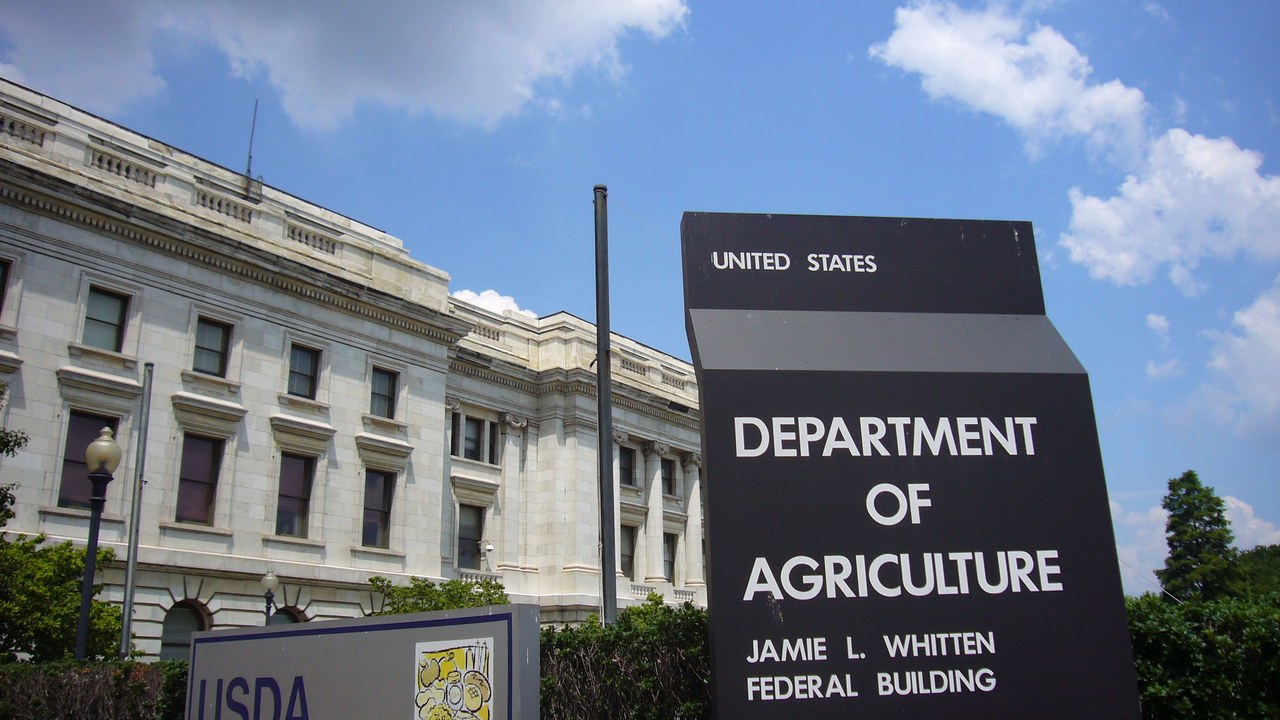
The federal government did not give states discretion on when to start applying the narrower age. USDA’s October 2025 implementation memorandum instructs state agencies to immediately screen for and apply the modified exception criteria to every initial application and every recertification, which means a family renewing benefits today is evaluated under the age-14 line even if their last approval, months or years earlier, ran under the old age-18 standard.
A 120-day quality-control variance period tied to this specific change, along with the other OBBB exception changes, closed on November 1, 2025. Before that date, USDA held states harmless if they misapplied the new child-age line while adjusting their systems. After it, a state that keeps approving cases under the old under-18 standard is not just outdated, it is out of compliance with the law it is supposed to be enforcing.
When a Younger Sibling Still Saves the Exception
One detail can blunt the impact for some households: caring for any child under 14 in the home still qualifies, regardless of whether an older, no-longer-exempt teenager also lives there. A parent of both a 9-year-old and a 16-year-old keeps the exception through the younger child, since the law only requires that a household member be responsible for at least one qualifying dependent child. It is a household with children entirely between 14 and 17, and no younger child, where the exception disappears completely.
A Separate, Older Exemption for Very Young Children
The under-14 line is specific to the ABAWD time limit and should not be confused with a separate, older protection built into SNAP’s general work requirements. Under those broader rules, which apply to a wider group of recipients aged 16 through 59, a person taking care of a child under six is excused from the general work requirements entirely, including mandatory referral to SNAP Employment and Training. That exemption is untouched by the One Big Beautiful Bill Act. A parent of a 5-year-old benefits from both protections at once; a parent whose only child is 15 now benefits from neither.
Two Age Lines, Moving in Opposite Directions
USDA’s consumer-facing SNAP Work Requirements page has not been rewritten to match the memo. As of this year it still describes the child exception using the old under-18 standard and includes a notice that the agency is preparing updated guidance on the One Big Beautiful Bill Act’s changes. The October 2025 implementation memorandum is that guidance, and it is the version state caseworkers are required to apply right now, regardless of what the older public page still says.
The same October 2025 memorandum that narrowed this exception also raised the age ceiling for who is subject to the time limit at all, extending it from 54 to 64, a separate change working in the opposite direction on a different part of the same rule. Read together, the two changes mean the law pulled in older adults who used to be automatically exempt by age while pushing out parents of teenagers who used to be automatically exempt by their child’s age, tightening the exception list from both ends at once.
This article was produced with AI assistance and reviewed by a human editor. Figures are linked to their primary sources; where a claim could not be verified from the public record, we say so.
More Financial Reading