Veterans and people experiencing homelessness no longer get an automatic pass from the SNAP work-and-time-limit rule that used to protect them by name. A 2023 law had carved out specific exceptions for veterans, homeless individuals, and young adults aging out of foster care, keeping them off the three-month food stamp clock regardless of employment status. The One Big Beautiful Bill Act eliminated all three exceptions effective July 4, 2025, and state agencies have been required since then to screen every application as though those carve-outs no longer exist. A veteran or a homeless SNAP recipient today faces the identical work requirement as any other adult without dependents in the household.
The 2023 Law That Created the Protections
The exceptions being erased were relatively new. The Fiscal Responsibility Act of 2023, the bipartisan debt-ceiling deal, added temporary protections for three groups: homeless individuals, veterans, and individuals aged 24 or younger who were in foster care on their 18th birthday. Those carve-outs meant a veteran or a person without stable housing could keep receiving SNAP past three months without hitting the time limit, even without a job or a separate exemption for disability or caregiving.
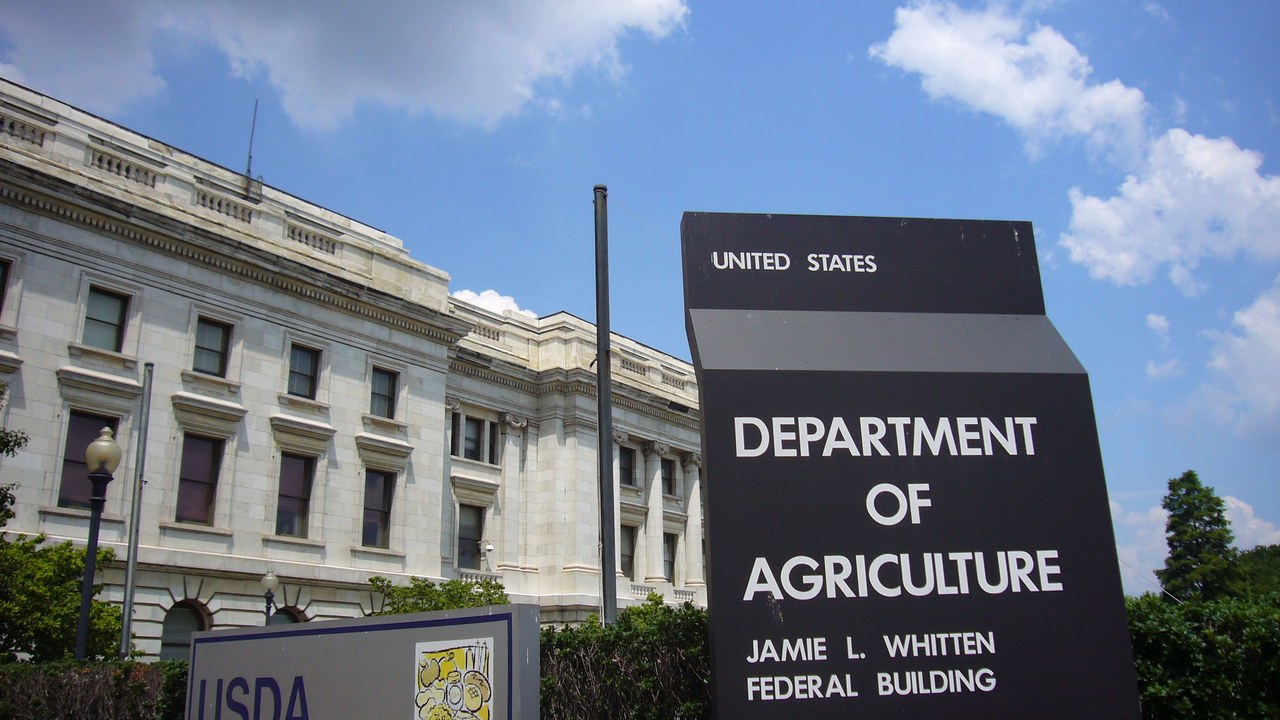
That arrangement lasted a little under two years. The October 2025 USDA implementation memorandum describes the effect of the repeal in blunt terms: these individuals are once again subject to the time limit, as they were before the 2023 law, unless they qualify under a different exception such as a disability or caring for a young child.
Free retirement updates: Plain-English updates on the changes, deadlines, and costly mistakes retirees miss, so more of a Social Security check and savings stays put. Subscribe free.
Screening Starts at the Next Recertification
The memo does not describe the repeal as a future step or a phase-in. State agencies were told to immediately screen for and apply the modified exception criteria to all initial applications and all recertification applications, meaning the change reaches people renewing benefits they were already receiving, not just new applicants walking through the door for the first time.
That detail matters for someone who qualified as homeless or as a veteran under the old rule and has been recertifying every few months without incident. At their next recertification, a caseworker is required to apply the narrower criteria, which means a status that used to guarantee protection from the time limit no longer does anything on its own. The same recertification also has to come with a consolidated written notice and an oral explanation of the applicable work requirements, the same disclosure standard USDA applies to every other ABAWD-related change under the law.
A Different Exception Grew in the Same Memo
The same memorandum that removed those three exceptions also added new ones, which is easy to miss given the headline change. The One Big Beautiful Bill Act created exceptions for Indians, Urban Indians, and California Indians, each defined by cross-references to the Indian Health Care Improvement Act, alongside strict documentation rules state agencies must follow, including reviewable documentary evidence, to verify the status before granting the exception. The law simultaneously narrowed protection for veterans and homeless adults while carving out a new, more specifically defined category elsewhere in the same exception list.
What the Time Limit Still Requires
None of the underlying work requirement changed shape. A veteran or homeless SNAP recipient without a qualifying exception can still avoid the time limit by working, volunteering, or participating in an approved program for at least 80 hours a month, exactly as any other covered adult must. What changed is that being a veteran or being homeless is no longer, by itself, enough to skip that requirement entirely.
What Still Protects the Same People
Age still offers a separate layer of protection that the repeal did not touch. SNAP’s general work requirements, and the mandatory Employment and Training participation tied to them, stop applying at age 60 regardless of veteran or housing status. A 62-year-old veteran who lost the specific veteran’s exception in July 2025 is still shielded from being forced into a training program by that unrelated age rule, even though the time-limit exception written specifically for veterans is gone.
Other exceptions untouched by the repeal remain available to the same people if they separately qualify: a disability that limits the ability to work, pregnancy, or responsibility for a dependent child under 14. A homeless veteran managing a disabling condition, for instance, would still be excused, just under a different provision than the one that covered him before July 2025.
The Guidance Still Catching Up
The public-facing SNAP Work Requirements page on USDA’s website has not caught up to the memo yet. It still lists being a veteran and experiencing homelessness among the reasons a person is excused from the ABAWD time limit, alongside a notice that the agency is still preparing updated guidance. The October 2025 implementation memorandum is that guidance, it already governs how state agencies process cases, and it supersedes what the older consumer page still displays.
USDA’s memorandum is clear that none of this is discretionary for states going forward. The exclusion period that briefly shielded state agencies from federal quality-control findings over the transition closed on November 1, 2025, which means every recertification processed since then is expected to reflect the repeal, not the temporary protections it replaced.
This article was produced with AI assistance and reviewed by a human editor. Figures are linked to their primary sources; where a claim could not be verified from the public record, we say so.
More Financial Reading