Federal regulators have put a number on one of the fastest-growing fraud problems in the country. On September 3, 2026, the Treasury Department’s Financial Crimes Enforcement Network released an analysis of suspicious-activity reports tied to crypto investment schemes, along with a fresh alert instructing banks and other financial firms on what to watch for. The findings describe a scam that typically starts with a stranger’s friendly message and ends with a victim wiring their savings, retirement funds, or home equity to an account controlled by a criminal network overseas.
Inside FinCEN’s $12.7 Billion Tally of Suspected Scam Activity
FinCEN’s September 3 announcement is built on 33,904 Bank Secrecy Act reports filed by roughly 1,300 different financial institutions between September 8, 2023, the date of FinCEN’s original “pig butchering” alert, and December 31, 2025. Those filings describe approximately $12.7 billion in financial activity that institutions flagged as suspected digital asset investment scam activity, according to the accompanying Financial Trend Analysis. The pace has accelerated: reporting institutions filed an average of 10.9% more reports each month than the month before, and the dollar amount involved grew an average of 18% month over month over the review period. In October 2023, the first full month after the original alert, FinCEN logged 590 reports worth about $485.7 million. By December 2025, the last full month covered, monthly filings had climbed to 2,482 reports worth roughly $833.5 million.
Free retirement updates: Keep more of your Social Security and savings with plain-English updates on the changes, deadlines, and costly mistakes retirees miss. Subscribe free.
The “Romance Baiting” Playbook Behind the Losses
FinCEN’s analysis describes digital asset investment scams as a form of confidence scheme also known as “pig butchering” or “romance baiting.” Contact usually starts with an unsolicited text, a wrong-number message, or a match on a dating app or social media platform. Once a target responds, the scammer builds what feels like a real relationship, sometimes over weeks or months, before introducing a supposedly lucrative crypto opportunity. Victims are directed to fake or manipulated apps and websites designed to look like legitimate exchanges, and early “returns” are often staged with small inducement payments to build confidence before the requests for money grow larger. When a victim eventually tries to withdraw funds, FinCEN found that scammers commonly invent a “tax” or “fee” that must be paid first, a stalling tactic that frequently marks the final stage of the fraud before contact stops entirely.
Where Victims Find the Money — From Savings to Retirement Accounts
The federal analysis shows victims typically start with money already sitting in checking or savings accounts, then move on to other sources as the scammer pushes for larger amounts. That includes withdrawals from retirement or brokerage accounts, home equity lines of credit, second mortgages, and personal loans. In one case FinCEN cited, a money services business reported that an older adult victim transferred nearly $640,000 from her retirement fund to a suspected scammer she had met on social media. In another, a depository institution reported a customer who withdrew close to $150,000 from a retirement account, opened a home equity line of credit, took out a personal loan, and refinanced his mortgage, all to keep sending money to someone he believed was a romantic partner offering investment advice. A third case involved a victim who used proceeds from selling a deceased relative’s home, a second mortgage, and retirement savings, ultimately losing more than $1 million over six months.
How Scammers Launder Funds Through Digital Asset Exchanges
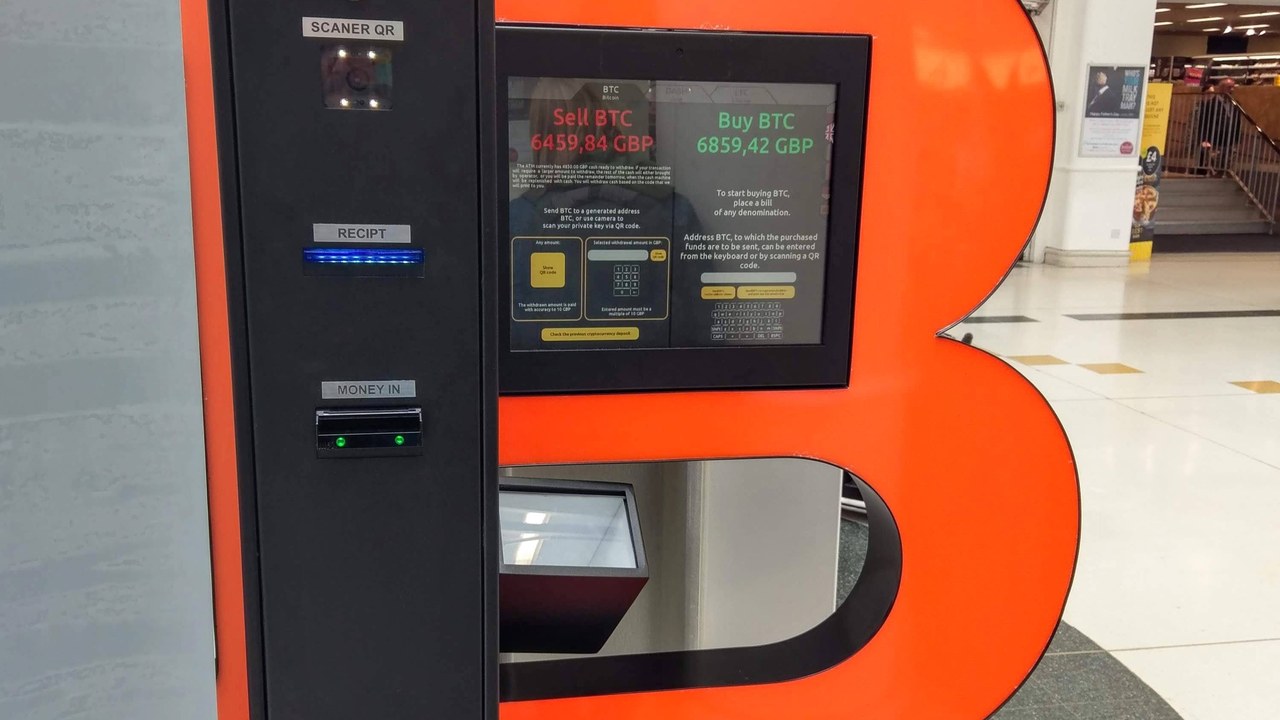
FinCEN identified two main patterns for moving victim money. In the first, victims open accounts at money services businesses that offer crypto trading, buy digital assets themselves, and then send those assets to an address the scammer controls, a step that can be hard for the institution to catch because the victim still technically holds the funds right up until the transfer. In the second, victims wire ordinary dollars to a bank account tied to the scam, believing the transfer itself is a crypto purchase, and the scammer converts the money afterward. Regardless of which digital assets a victim starts with, FinCEN’s review found scammers overwhelmingly convert proceeds into the stablecoin Tether, or USDT, before moving funds through overseas exchanges. Some victims are also directed to cash-to-crypto kiosks to convert physical currency directly into digital assets for transfer.
Who Is Filing These Reports, and Why Early Detection Matters
Money services businesses involved in crypto trading filed the largest share of reports, 54.8%, accounting for about $5.5 billion in flagged activity. Depository institutions, meaning banks and credit unions, filed 40.7% of reports but identified a larger dollar total, roughly $6.4 billion, often because they spot large wire transfers, loan applications, or unusual account activity before a customer sends money to a crypto platform. Securities and futures firms filed the remaining reports, covering about $784.5 million, typically when a customer liquidates a brokerage account to fund a crypto purchase. Since 2015, FinCEN’s Rapid Response Program, which works with law enforcement here and abroad to freeze and repatriate stolen funds quickly, has helped recover more than $1 billion for 5,790 victims out of $1.8 billion intercepted. That recovery window is narrow. FinCEN’s data suggests the best chance of getting money back comes at the moment a bank or exchange first notices something is wrong, before funds move through several more accounts and convert into stablecoins overseas. Anyone who suspects they have sent money to a scammer is directed to contact their financial institution immediately and file a report with the FBI’s Internet Crime Complaint Center.
This article was produced with AI assistance and reviewed by a human editor. Figures are linked to their primary sources; where a claim could not be verified from the public record, we say so.
More Financial Reading