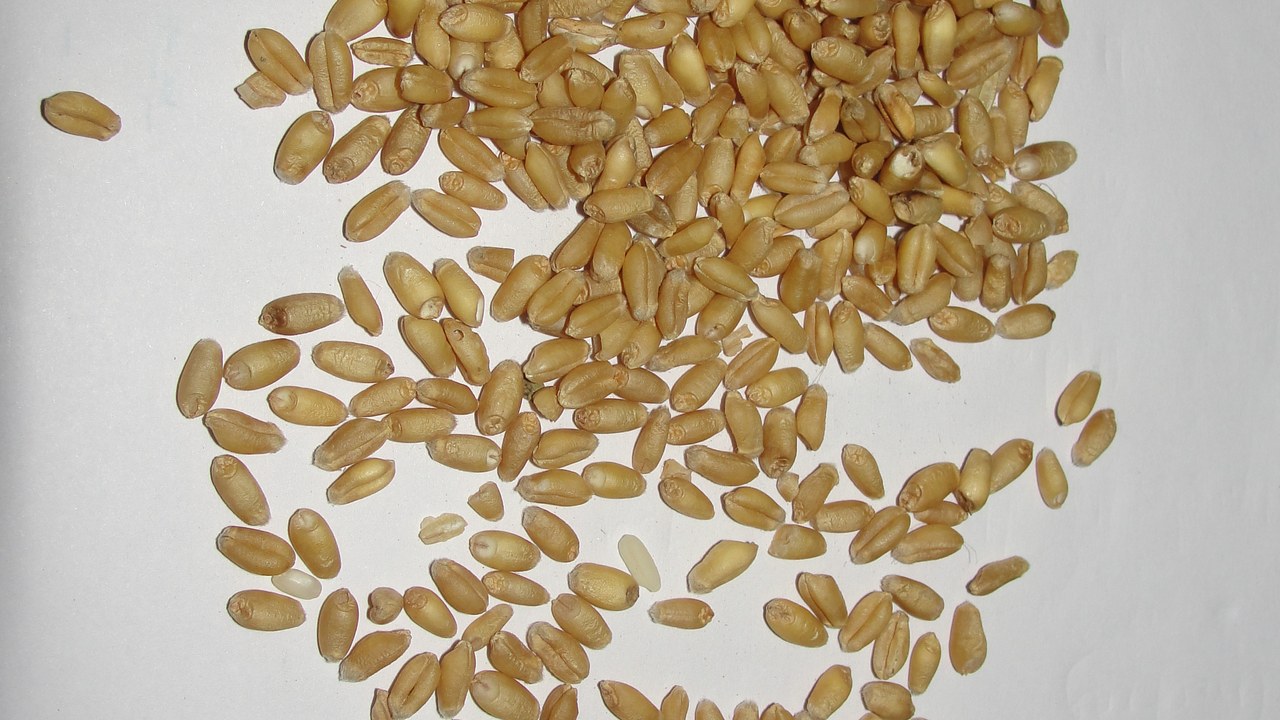
Wheat prices at the farm gate have jumped sharply this summer, and the reason is a shrinking harvest. USDA’s Economic Research Service says farm-level wheat prices climbed more than 9 percent in a single month and are now running roughly a quarter above where they stood a year ago. Despite that spike, the agency’s own forecast for what shoppers pay for bread, cereal and other bakery products shows no unusual acceleration at all this year. For a grocery budget, the farm-level jump and the store-shelf forecast are, so far, two very different stories.
What USDA Measured in the Wheat Fields This Summer
USDA’s Economic Research Service tracks farm-level commodity prices through the Producer Price Index, a separate measure from the retail Consumer Price Index that actually shows up on a grocery receipt. This summer’s wheat numbers moved unusually fast even by that more volatile measure’s own standards.
In the August 2026 Food Price Outlook, released August 25 and based on July 2026 data, ERS reports that farm-level wheat prices rose 9.3 percent from June to July and were 25.5 percent higher in July 2026 than they were a year earlier — the “quarter more” in this story. Looking at the full year, ERS is forecasting that farm-level wheat prices will finish 2026 up 17.1 percent from 2025. That’s a projection, not a settled final number: the agency’s own range of uncertainty runs from a 7.9 percent increase on the low end to a 28.4 percent increase on the high end, which tells you USDA itself isn’t certain exactly how far this run continues.
Free retirement updates: One number can cost or save hundreds a month in retirement. The free Retirement Shield newsletter surfaces the ones worth knowing. Sign up free.
Why a Shrinking Harvest Is Driving the Farm Price Up
The farm-level wheat market runs on supply and demand for the physical grain, not on what’s happening at the supermarket. USDA’s Wheat Outlook report, the one ERS itself points to for this year’s price strength, ties the increase to a large projected decline in U.S. wheat output, based on acreage and yield estimates in USDA’s own World Agricultural Supply and Demand Estimates work. A smaller expected harvest means less wheat available at a time when demand for flour, animal feed and export sales hasn’t gone anywhere, and that squeeze is what has pushed the price a farmer receives for a bushel of wheat up so much faster than the price of most other farm commodities this year.
That kind of swing is normal for the Producer Price Index side of USDA’s data. Farm and wholesale prices for individual commodities can move sharply from one harvest report to the next, because a change in expected output shows up immediately in futures and cash markets, long before it could ever show up in a loaf of bread on a shelf.
Why the Bread Aisle Hasn’t Followed Wheat Higher — Yet
Wheat is only one ingredient in a finished loaf of bread or box of cereal, and it’s a comparatively small one next to milling, baking, packaging, transportation, marketing and store margin. That’s part of why ERS’s own August forecast has retail cereal and bakery product prices rising at close to their 20-year historical average pace for 2026 — not accelerated, despite the farm-level spike. Among the 15 food-at-home categories ERS tracks, cereal and bakery products sit right at that long-run average, while a separate list of categories the agency specifically flagged as running hotter than their own historical average this year — beef and veal, fish and seafood, fresh fruits, fresh vegetables, processed fruits and vegetables, sugar and sweets, and nonalcoholic beverages — does not include bread or cereal at all.
None of that guarantees the pass-through never happens. It simply hasn’t shown up yet in USDA’s own numbers, and a household budgeting around a wheat headline should note that a farm-level price and a shelf price are measuring two different points in a long supply chain. Overall grocery-store inflation is still running positive either way: USDA’s food-at-home Consumer Price Index was up 2.7 percent in July 2026 compared with a year earlier, with ERS forecasting a 2.5 percent increase for all of 2026 — a normal pace of increase that a shopper would see whether or not wheat had spiked at the farm level at all.
What Would Actually Change This Forecast
USDA revises this forecast monthly, and the wheat data has already had one behind-the-scenes correction this cycle. In the same August 25 update that produced these numbers, ERS said it fixed an error in how it calculated the 20-year average price trend for wholesale wheat flour, after a coding issue pulled the wrong 20-year window of data from the Bureau of Labor Statistics. The agency says the fix did not change any of the actual 2026 price forecasts for wheat, flour or bakery products, only the historical benchmark those forecasts get compared against — but it’s a reminder that a monthly government forecast is a living number, not a finished one. The next update, due September 25, 2026, will show whether the farm-level wheat price kept climbing through August or started to cool, and whether cereal and bakery prices still hold at their normal pace once another month of retail data is in.
This article was produced with AI assistance and reviewed by a human editor. Figures are linked to their primary sources; where a claim could not be verified from the public record, we say so.
More Financial Reading