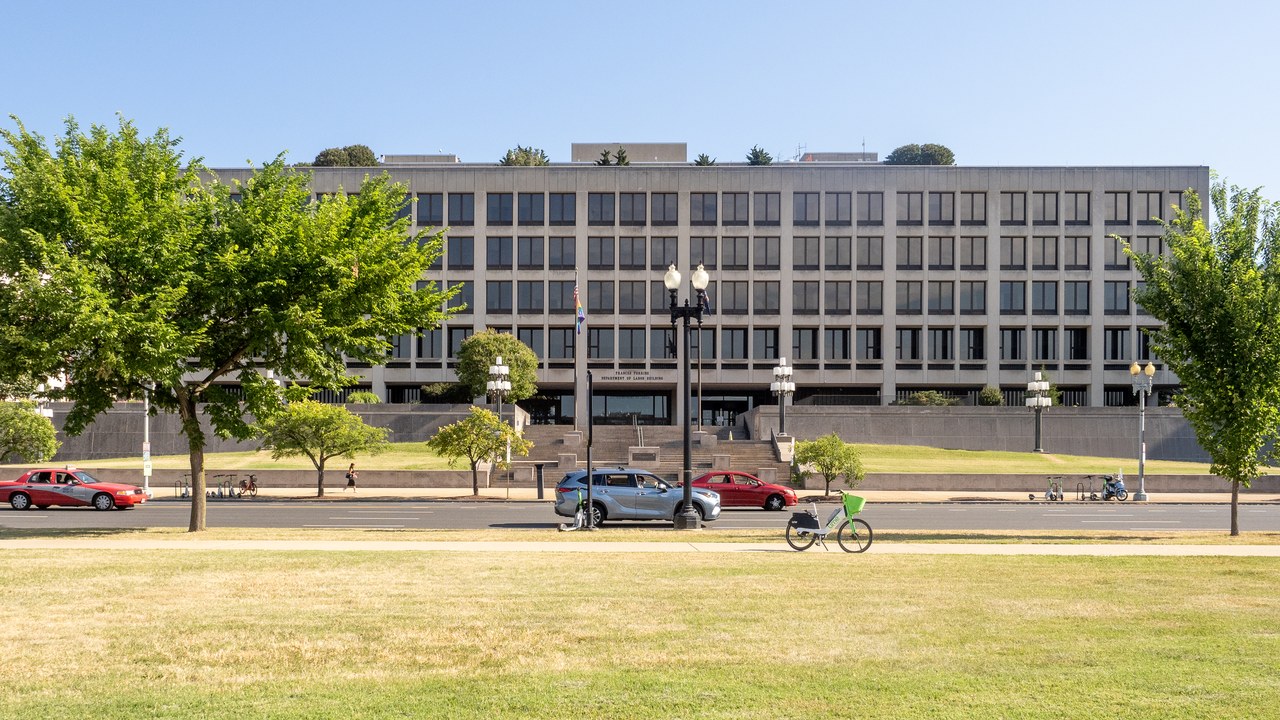
The U.S. Department of Labor released its weekly unemployment snapshot on September 3, and one comparison stands out: fewer people applied for a new unemployment check last week than during the same week a year ago. Buried in the same report is a narrower number that matters to a specific group of readers — 337 initial claims came from former federal civilian employees. Both numbers come from the same release, and both tell you something different about where the job market stands right now.
Initial Claims Edge Up, But Stay Historically Low
For the week ending August 29, seasonally adjusted initial unemployment claims came in at 206,000, according to the Department of Labor’s Employment and Training Administration release. That’s up 2,000 from the prior week’s level, which was itself revised upward from 203,000 to 204,000. The four-week moving average, a smoother read that irons out weekly noise, rose to 207,250, an increase of 1,500 from the previous week.
If you’re job hunting or wondering whether your employer might start cutting positions, this is the number to watch. A reading in the low 200,000s has held for months, and it still sits well below the 300,000-plus levels that typically signal a weakening labor market. One week’s uptick of 2,000 isn’t a trend by itself — it takes several weeks moving the same direction before the data tells you anything about hiring or layoffs picking up where you work.
Free retirement updates: Miss an enrollment or claim deadline and it may be gone. Our free Retirement Shield newsletter keeps readers ahead of the ones that matter. Get the free newsletter.
The Unadjusted Count Is What Makes This A Year-Over-Year Story
Strip out the seasonal adjustment and the comparison sharpens. The Labor Department’s unadjusted count of actual initial claims filed under state programs was 170,626 for the week ending August 29, 2026. During the same calendar week in 2025, that figure was 196,712. That’s a drop of roughly 26,000 claims, or about 13 percent, year over year.
This is the number behind the headline: fewer people in your community filed a first-time unemployment claim last week than filed during the equivalent week one year ago. For you, that’s a modest but real signal that fewer households are hitting the moment of losing a paycheck compared with last summer. It doesn’t tell you wages are keeping up with your bills, and it doesn’t cover people who’ve stopped looking for work entirely — it only counts people who filed a new claim.
337 Former Federal Employees Filed New Claims
The same release breaks out claims filed under the Unemployment Compensation for Federal Employees (UCFE) program, which covers workers laid off from federal civilian jobs. For the week ending August 22, 337 former federal employees filed a new UCFE claim, a decrease of 53 from the prior week’s count. Because state agencies process and report federal-worker claims on a slight delay, this line in the report always trails the headline initial-claims week by about seven days — the same release covers new state claims for August 29 and federal-employee claims for August 22.
If you or someone in your household left a federal job this year, this is the program that would pay out: per the Labor Department’s own UCFE fact sheet, benefits for former federal civilian employees are funded by the employing agency and administered by the state where the worker lived, using the same rules and payment schedule as regular state unemployment insurance. A count in the low 300s is small next to the 170,000-plus total state claims for the week, but it’s the clearest weekly gauge available of how federal downsizing is showing up in the unemployment system.
Continued Claims Show How Long Benefits Are Lasting
Initial claims measure who just lost a job. Continued claims — also called insured unemployment — measure who is still collecting a check. For the week ending August 22, 2026, insured unemployment stood at 1,779,000, holding the insured unemployment rate at 1.2 percent. The same release recorded 5,691 continued weekly claims from former federal employees under the UCFE program.
This distinction matters if you’re budgeting around a household member’s unemployment income. A rising continued-claims number, even while new claims stay flat, usually means people who lose jobs are taking longer to find the next one — which changes how long a family should plan to stretch a smaller income before benefits run out in your state.
Why Next Week’s Number Could Look Different
Every figure in this release is labeled “advance” for a reason. The Labor Department revises the prior week’s initial-claims number almost every time it publishes a new report — this week’s release bumped the previous week’s count up by 1,000. That means the 206,000 figure for August 29 is itself likely to be revised when the department publishes its next report on September 10, covering the week ending September 5. Treat any single week’s headline number as a preliminary read, and lean on the four-week average and the year-over-year comparison for a steadier picture of where claims are actually heading, straight from the Labor Department’s own weekly claims data page.
This article was produced with AI assistance and reviewed by a human editor. Figures are linked to their primary sources; where a claim could not be verified from the public record, we say so.
More Financial Reading