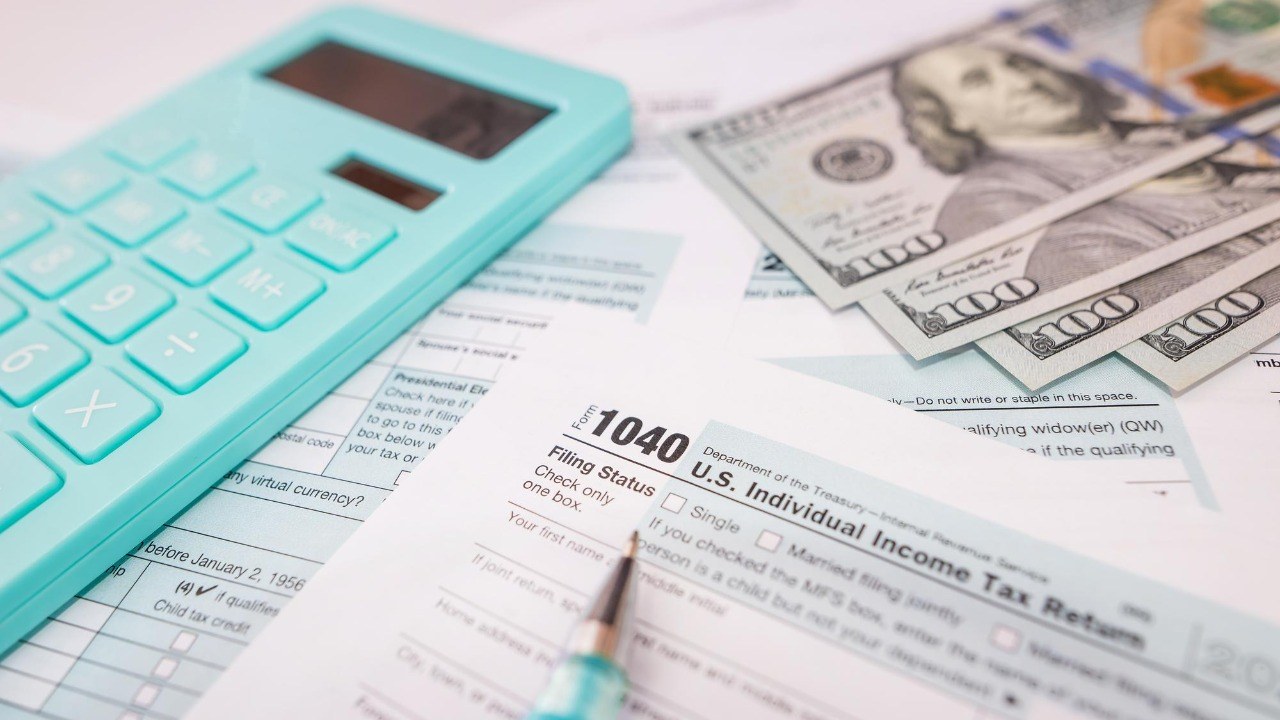
If you paid $600 or more in interest on a car loan this year, your lender now has to tell you about it in writing — the same way your mortgage company already does every January. The Treasury Department and the IRS finalized the rule on September 4, 2026, closing out months of back-and-forth over exactly how, and how soon, auto lenders have to comply.
A New Line Item On Your Paperwork
The requirement comes from a new section of the tax code, IRC section 6050AA, created by the One Big Beautiful Bill Act and now spelled out in final Treasury regulations. It says any lender in the business of making loans — banks, credit unions, captive finance arms of automakers, and buy-here-pay-here dealers alike — must file an information return with the IRS and send a matching statement to any individual borrower who paid the lender $600 or more in interest on a qualifying passenger vehicle loan during the calendar year.
The vehicle has to be a new car, SUV, van, motorcycle, or light truck bought for personal use, with the loan secured by the vehicle itself. Leases, business-use vehicles, and loans that fall under the $600 threshold are not covered. For everyone else, the statement is meant to do exactly what a mortgage lender’s Form 1098 does now: hand you the one number you need at tax time, instead of making you dig through twelve months of statements yourself.
Free retirement updates: A quiet rule change can shrink your Social Security or Medicare check, and no one warns you. The free Retirement Shield newsletter catches these early and tells you what to do. Get it free.
Form 1098-VLI Is The Official Version, But It Isn’t The First Statement
The IRS built a dedicated form for this, Form 1098-VLI, but it doesn’t kick in immediately. Because the law applies retroactively to interest paid starting in calendar year 2025, the IRS issued Notice 2025-57 giving lenders a bridge year: for 2025 interest, a lender is considered compliant as long as it gets some form of written statement showing the total interest received to the borrower by January 31, 2026 — it doesn’t have to be on the new form itself. Form 1098-VLI becomes mandatory starting with tax year 2026, which means the first statements actually printed on that form arrive in borrowers’ mailboxes by January 31, 2027.
In practice, that means most households with a qualifying car loan should already have gotten some kind of interest total from their lender for 2025, even if it didn’t look like an official IRS form. If you paid at least $600 in interest last year and haven’t seen anything, it’s worth calling your lender directly rather than assuming the number doesn’t exist.
Small Lenders Asked For More Time; Treasury Said No
Industry commenters pushed Treasury and the IRS to delay the reporting duty for smaller lenders — credit unions and independent dealers without the compliance staff of a national bank — arguing the timeline was too tight. The final rule turned that request down. In the preamble to TD 10054, the agencies said pushing back the reporting requirement “would increase the burden on individuals who need the information reported under section 6050AA to accurately claim the deduction” on their tax returns. In other words, delaying the paperwork on lenders would have meant delaying borrowers’ ability to prove what they’re owed.
That decision matters for anyone whose car loan comes from a small credit union, a regional bank, or a dealer’s in-house financing arm rather than a large national lender. Those smaller shops don’t get a grace period the bigger ones don’t also get — the $600 threshold and the filing duty apply the same way regardless of the lender’s size.
For a household with an average new-car loan, $600 in annual interest is not a high bar. On a five- or six-year loan for a new vehicle financed at a typical market rate, most of a borrower’s early payments go toward interest rather than principal, which means many ordinary car owners clear $600 in interest well before the loan is paid off, often in the first year or two. That’s a big part of why Treasury and the IRS treated this as a mainstream reporting requirement rather than a narrow one aimed at a handful of luxury buyers — the statement is written to reach an ordinary car payment, not just an expensive one.
Why This Statement Exists At All
The reporting rule isn’t a stand-alone paperwork requirement — it exists to back up a separate, temporary deduction for car loan interest that the same law created. Without a lender-issued statement, the IRS has no independent way to check that the interest a taxpayer claims actually matches what a lender received. The statement is the documentation trail, the same role Form 1098 plays for a home mortgage.
Because that link exists, the accuracy of your statement matters beyond just record-keeping. If the interest figure on your statement looks off compared to your own loan records, that’s worth raising with your lender before you file, not after.
What Changes For You Right Now
Nothing about how your loan payment works changes today. What changes is the paper trail: a document that most car owners have never received before is now a routine piece of tax-season mail, arriving alongside your W-2s and 1099s. Treasury’s rule takes effect November 9, 2026, formally locking in the reporting structure that lenders are already following under the 2025 transition guidance.
The Federal Register filing that finalizes all of this — Treasury Decision 10054 — is the controlling document for lenders working out their reporting obligations, and it’s public record as of September 4, 2026.
This article was produced with AI assistance and reviewed by a human editor. Figures are linked to their primary sources; where a claim could not be verified from the public record, we say so.
More Financial Reading