Hawaii is about to become the only place in the country where the maximum food-stamp benefit gets smaller rather than larger. Starting October 1, 2026, the maximum SNAP allotment rises in the 48 contiguous states, the District of Columbia, Alaska, Guam and the U.S. Virgin Islands. Hawaii is the lone exception: the ceiling for a family of four there falls from $1,689 a month to $1,655, even as grocery prices across the islands remain among the highest in the nation.
The change comes from a routine annual memo, not a new law or a fight in Congress. The Agriculture Department’s Food and Nutrition Service published the fiscal year 2027 cost-of-living adjustment on August 21, 2026, setting new maximum allotments, income limits and deductions that take effect at the start of the federal fiscal year on October 1.
Why Hawaii’s Maximum Is Falling While Every Other State’s Is Rising
Hawaii’s SNAP allotment has never used the same formula as the 48 contiguous states. Because food costs in Hawaii, Alaska, Guam and the U.S. Virgin Islands run well above the mainland average, the Agriculture Department’s fiscal year 2027 cost-of-living adjustment calculates their maximum allotments from a separate, higher-cost food plan rather than the standard Thrifty Food Plan used everywhere else. Each area’s plan is recalculated using its own local food-price data, and the two calculations do not move in lockstep from one year to the next.
For fiscal year 2027, the Thrifty Food Plan that governs the 48 states and D.C. increased, pushing benefits up nationwide along with Alaska, Guam and the U.S. Virgin Islands. Hawaii’s own food-price measure moved the opposite direction, and because that measure sets the ceiling for Hawaii’s allotments, the maximum fell even though the cost of living on the islands did not retreat. It is the same annual process that has raised Hawaii’s allotments in some past years and lowered them in others; this cycle, the number landed below where it stood a year earlier.
Free retirement updates: Social Security and Medicare change every year, and nobody sends you a memo. Our free Retirement Shield newsletter breaks down what changed and what to do. Get it free in your inbox.
The New Hawaii SNAP Table, Household by Household
The Food and Nutrition Service’s memo lists Hawaii’s new maximum monthly allotments for households of one to eight people, effective October 1, 2026 through September 30, 2027: $496 for one person, $910 for two, $1,307 for three, $1,655 for four, $1,969 for five, $2,367 for six, $2,615 for seven and $2,979 for eight. Every one of those figures is lower than the prior fiscal year’s table. A single person’s maximum drops from $506 to $496, and the ceiling for an eight-person household falls from $3,040 to $2,979.
Those numbers are ceilings, not guarantees. Most SNAP households receive less than the maximum because the benefit is calculated against net income; only households with little or no countable income after deductions typically receive the full allotment. A lower ceiling still matters directly to them, since it is the most food assistance a household of that size can receive in Hawaii for the coming year, regardless of how thin its income already is.
A State Already Near the Top of the Nation’s Cost-of-Living Rankings
The lower ceiling lands in a state where everyday prices are already among the steepest in the country. The Bureau of Economic Analysis measures how far prices in each state sit above or below the national average through its regional price parities. In the most recent data, for 2024, Hawaii’s overall price level ranked second highest in the nation at 110.0, about 10% above the U.S. average, trailing only California at 110.7. Hawaii’s utility prices carried the highest regional price parity of any state, at 190.2.
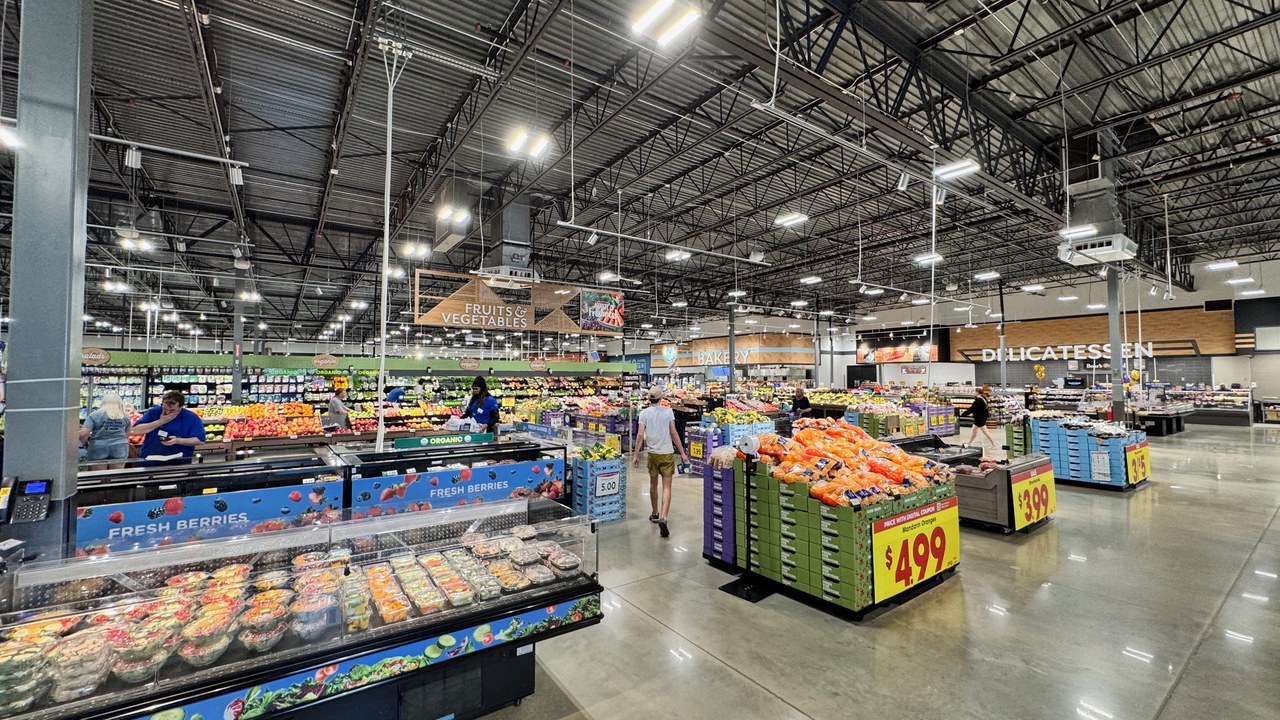
Grocery bills follow a similar pattern. Shipping most food to the islands adds cost that mainland states do not carry, and that gap does not shrink just because a federal benefit formula moves the other way. A family of four whose SNAP ceiling just fell by $34 a month is absorbing that reduction against a cost base that remains well above what the same dollar figure would buy in most of the 48 states.
What Hawaii SNAP Households Need to Know Before October 1
The new maximum takes effect automatically. Current SNAP recipients in Hawaii do not need to reapply or file new paperwork; the change is built into the benefit calculation the Food and Nutrition Service’s cost-of-living adjustment process applies statewide starting with October 2026 benefits. Anyone applying for SNAP in Hawaii for the first time after October 1 will be evaluated against the new, lower maximum rather than the figure that applied through September.
The income limits and standard deductions used to calculate individual benefits were adjusted in the same August 21 memo, so a household’s actual monthly payment depends on its own net income under the updated rules, not solely on the maximum table. The one certainty is the ceiling itself: for a Hawaii family of four, the most SNAP can provide for food starting in October is $1,655 a month, $34 less than the amount that applied for the fiscal year now ending.
This article was produced with AI assistance and reviewed by a human editor. Figures are linked to their primary sources; where a claim could not be verified from the public record, we say so.
More Financial Reading