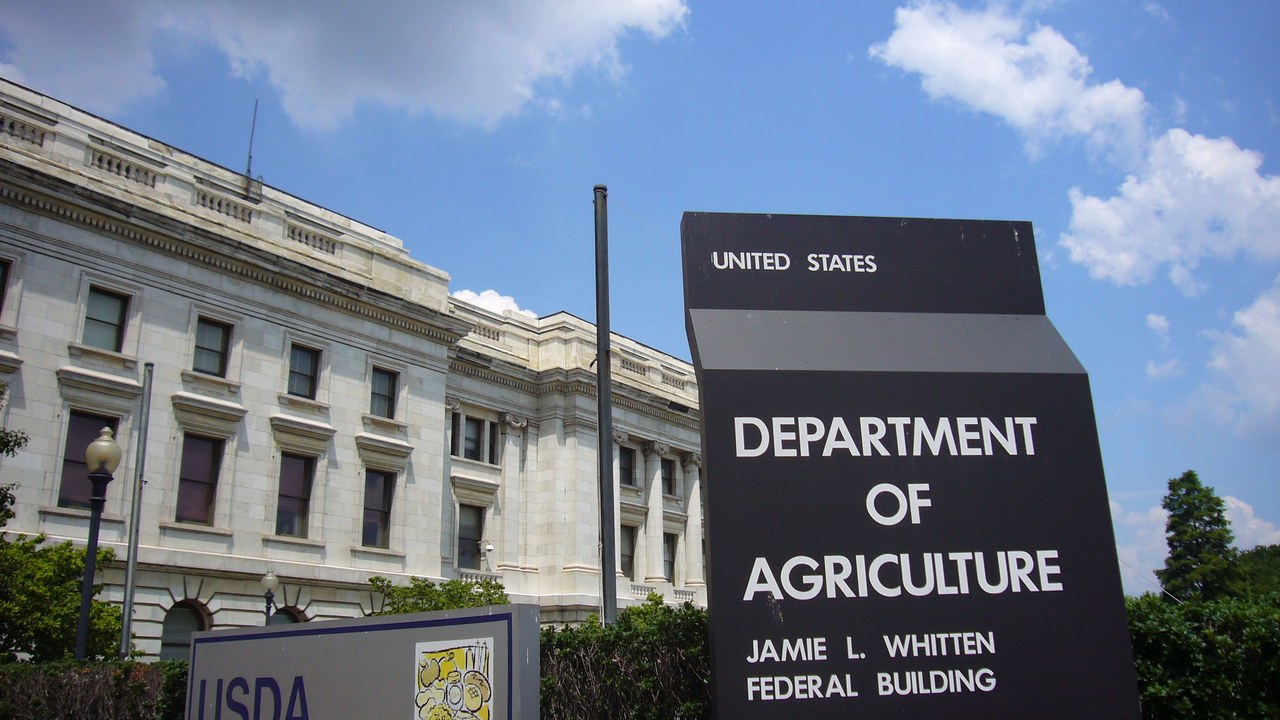
Social Security says it plans to stop mailing paper checks to beneficiaries altogether this year, closing out a shift that began under federal law more than a year ago. For the shrinking number of retirees, spouses, and survivors who still get a check in the mailbox each month, that means the payment method itself is about to become the thing to fix before it becomes a problem.
The Legal Deadline Behind the September 30, 2025 Cutoff
The push isn’t new, even if the finish line is. Under Executive Order 14247, “Modernizing Payments To and From America’s Bank Account,” the Treasury Department set September 30, 2025 as the date after which nearly all federal payments — Social Security benefits, tax refunds, and vendor payments among them — were supposed to move to electronic delivery. Treasury has been blunt about why: in its own words, paper checks are “increasingly the front door for fraud.” Social Security is now confirming the practical side of that order on its own website, stating plainly that it “plans to complete the transition to electronic payments for all beneficiaries this year” — meaning anyone still on paper is on borrowed time, not a permanent exception.
Free retirement updates: Keep more of your Social Security and savings with plain-English updates on the changes, deadlines, and costly mistakes retirees miss. Subscribe free.
Why a Mailed Check Is 16 Times More Likely to Disappear
The agency’s case for switching rests on a specific comparison, not a general warning. Social Security says a paper check is 16 times more likely to be lost, stolen, altered, or returned undeliverable than an electronic payment, and printing that one check still costs the Treasury $3.07 — roughly 20 times more than sending the same money electronically. For a household living on a fixed monthly benefit, the 16-times figure is the one that matters most: a lost or stolen check doesn’t just delay the money, it can mean weeks of phone calls, a replacement request, and a stretch of the month with less cash on hand than the budget assumed. “Returned undeliverable” is its own quiet risk for retirees who move, spend part of the year with family, or simply have an aging mailbox that a carrier skips — a check that bounces back to Social Security still has to be tracked down and reissued before it reaches anyone. The cost figure explains the other half of the push: multiplied across millions of remaining paper payments, the government’s own printing bill is real money it wants back, and Treasury has said publicly it sees the paper check itself, not just the mail carrier, as a weak point criminals already know how to exploit.
How to Switch Your Payment Before Social Security Finishes the Transition
Social Security’s own instructions are short. Beneficiaries are told to create or sign in to a personal account at my Social Security and add bank account and routing numbers there to start direct deposit, or to ask their bank or credit union to send the deposit information to Social Security electronically instead. There’s no new application, no waiting period described, and no fee — it’s a matter of entering the same account and routing numbers already printed on a personal check or available from a bank’s app. Once it’s set up, the payment lands on the same monthly schedule beneficiaries already expect, just without a trip to the mailbox.
What to Do if You Don’t Have a Bank Account
Not having a bank account isn’t a reason to stay on paper, and Social Security addresses that directly. Beneficiaries without a traditional bank or credit union relationship can still receive an electronic payment through the Direct Express prepaid debit card program, enrolling through GoDirect.gov or by calling 1-800-967-6857. The card works like other prepaid debit cards for purchases, bill payments, and ATM withdrawals, and it carries the same fraud protections the agency is using to justify dropping paper checks in the first place. For beneficiaries who have avoided direct deposit specifically because they don’t use a bank, Direct Express is built to remove that objection.
Who Can Still Request a Waiver
The transition isn’t absolute for every household. Social Security’s guidance says beneficiaries who face real barriers — the blog cites examples such as mental health concerns or living in a remote location without access to a financial institution — can request an exception through the U.S. Treasury rather than being forced onto electronic payments on a fixed timeline. The formal exceptions process for the executive order, including how a waiver request is evaluated, is laid out on Treasury’s EO 14247 frequently asked questions page. For most beneficiaries, though, Social Security’s message is straightforward: the paper check isn’t being replaced by nothing, it’s being replaced by a direct deposit or a Direct Express card, and the agency would rather beneficiaries make that switch on their own schedule than have it forced on them later this year. That distinction matters for anyone weighing whether to act now or wait: a waiver doesn’t mean the payment stops, it means the paper check keeps coming legally, while everyone else on the standard timeline is expected to have moved to electronic payment before the year is out.
This article was produced with AI assistance and reviewed by a human editor. Figures are linked to their primary sources; where a claim could not be verified from the public record, we say so.
More Financial Reading