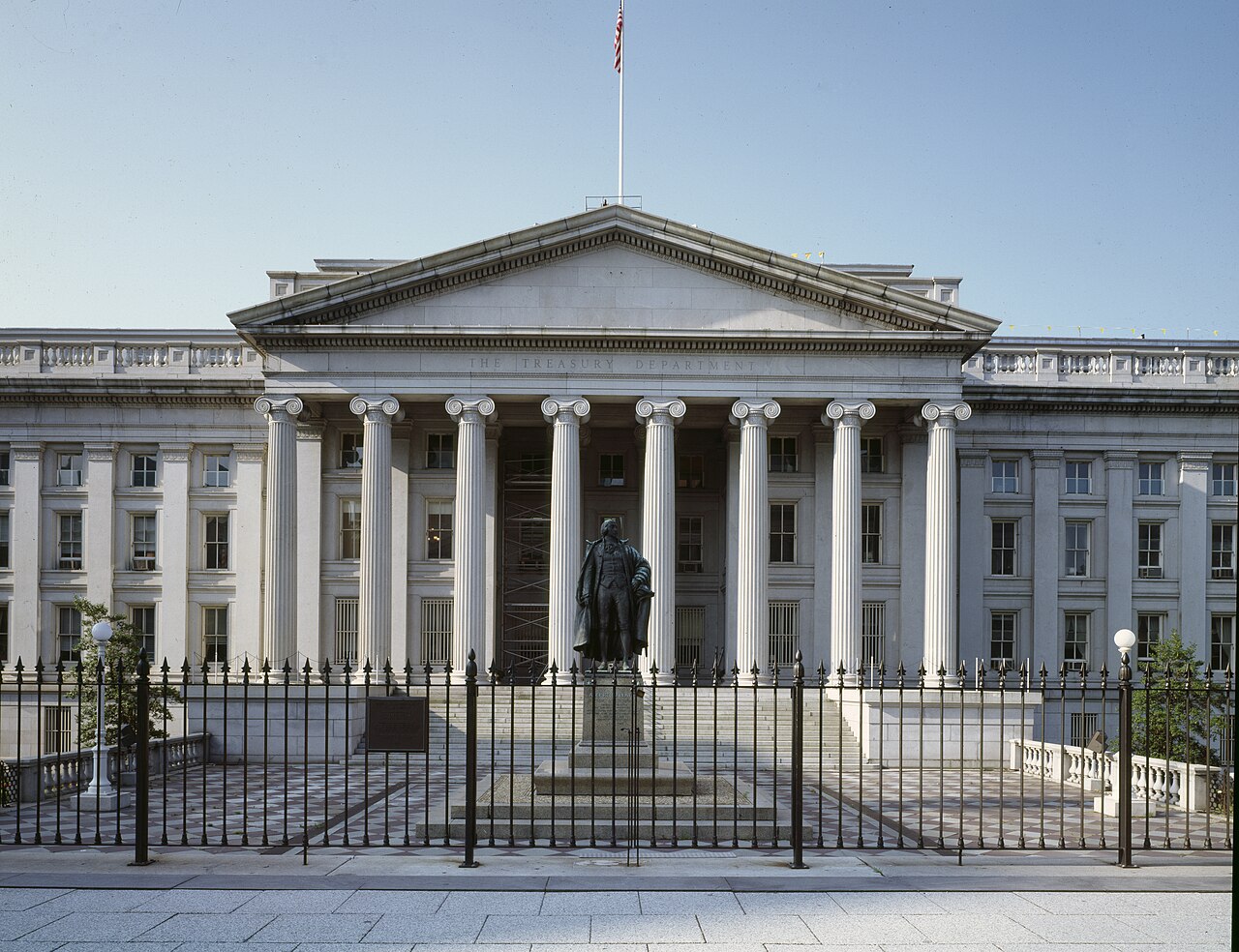
Series I savings bonds bought from today through the end of October will earn 4.26 percent for their first six months, the Treasury Department announced this morning. That is up from the 4.03 percent that applied to bonds issued over the past six months, and it comes with the same 0.90 percent fixed rate as before.
If those two numbers sound like they belong to different sentences, you are not wrong. I bonds are a two-part instrument, and the part that should actually drive your decision is not the headline rate. Here is how to read today’s reset like someone who has bought these before.
What changed on May 1

Every May 1 and November 1, the Treasury resets I bond rates. Today’s announcement set the composite rate for new purchases at 4.26 percent, combining a 0.90 percent fixed rate with an inflation adjustment that reflects a 3.34 percent annualized inflation reading. For comparison, bonds issued from November 2025 through April 2026 started at 4.03 percent, built on the same 0.90 percent fixed rate and a slightly lower inflation reading.
The Treasury also set the rate on new Series EE bonds at 2.40 percent. EE bonds are a different product with a different quirk (a guaranteed doubling if held 20 years), so don’t mix the two up when comparing.
How the two-part rate actually works
The fixed rate is the piece you keep forever. Whatever fixed rate is in effect when you buy stays attached to your bond for its entire 30-year life. Buy this month and your bonds carry 0.90 percent above inflation for as long as you hold them.
The inflation piece changes every six months, based on the Consumer Price Index. Your bond picks up the new inflation adjustment on its own six-month anniversary schedule, not on the calendar reset dates. So the 4.26 percent you see today is only a six-month promise; after that, your rate floats with whatever inflation does next. The Treasury’s rate page shows how the composite rate is built and what every past purchase window currently earns.
This is why seasoned I bond buyers watch the fixed rate more than the composite. The inflation piece will be the same for everyone eventually; the fixed rate is the part that separates a good purchase window from a forgettable one. A 0.90 percent fixed rate means your money is guaranteed to beat official inflation by roughly a point per year, which is respectable, though below the levels that had bargain hunters rushing in when the fixed rate topped 1.2 percent in recent years.
The rules to know before you buy
I bonds come with real strings attached, and they matter more than the rate for a lot of savers:
You cannot touch the money for 12 months. There is no early-out for new purchases, period. This is not emergency-fund money for the first year.
Cash out before five years and you forfeit the last three months of interest. After five years, there is no penalty at all.
You can buy up to $10,000 per person per calendar year in electronic bonds through TreasuryDirect. Spouses each get their own $10,000 limit.
The tax treatment is friendlier than a bank account. Interest is exempt from state and local income tax, and you can defer federal tax on the interest until you cash out. Used for qualified education expenses, the interest can escape federal tax entirely if you meet the income limits.
So is it worth buying now?
It depends on what job you are hiring the bond to do. As a place to park cash you will want within a year or two, I bonds lose to a plain high-yield savings account or a short CD, simply because of the lockup and the three-month penalty. Top online savings yields have been in the same neighborhood as this composite rate, and the FDIC publishes national deposit rate data if you want to see how your bank compares. Note that bank rates can fall at any time, while an I bond’s inflation link means its yield rises and falls with prices rather than with the Federal Reserve’s mood.
As insurance against inflation over five, ten, or twenty years, I bonds do a job almost nothing else in a small saver’s toolkit does. A 0.90 percent fixed rate guarantees you stay ahead of official inflation, with zero credit risk and no chance of losing principal. If inflation flares again the way it did a few years back, your rate follows it up automatically; savers who bought during the 2022 spike briefly earned 9.62 percent while bank accounts paid a fraction of that.
The kitchen-table verdict
Buy I bonds this window if you have cash you genuinely will not need for at least a year, you have already filled your emergency fund, and the idea of a government-guaranteed, inflation-proof return helps you sleep. The 0.90 percent fixed rate makes this a reasonable, if not spectacular, window. Skip them if you might need the money soon, or if you would rather chase higher long-run returns in a retirement account first. And whatever you do, buy directly at TreasuryDirect.gov; the Treasury sells these with no fees and no middlemen, and anyone charging you to buy one is a red flag, not a broker.
This article was produced with AI assistance and reviewed by a human editor. Figures are linked to their primary sources; where a claim could not be verified from the public record, we say so.