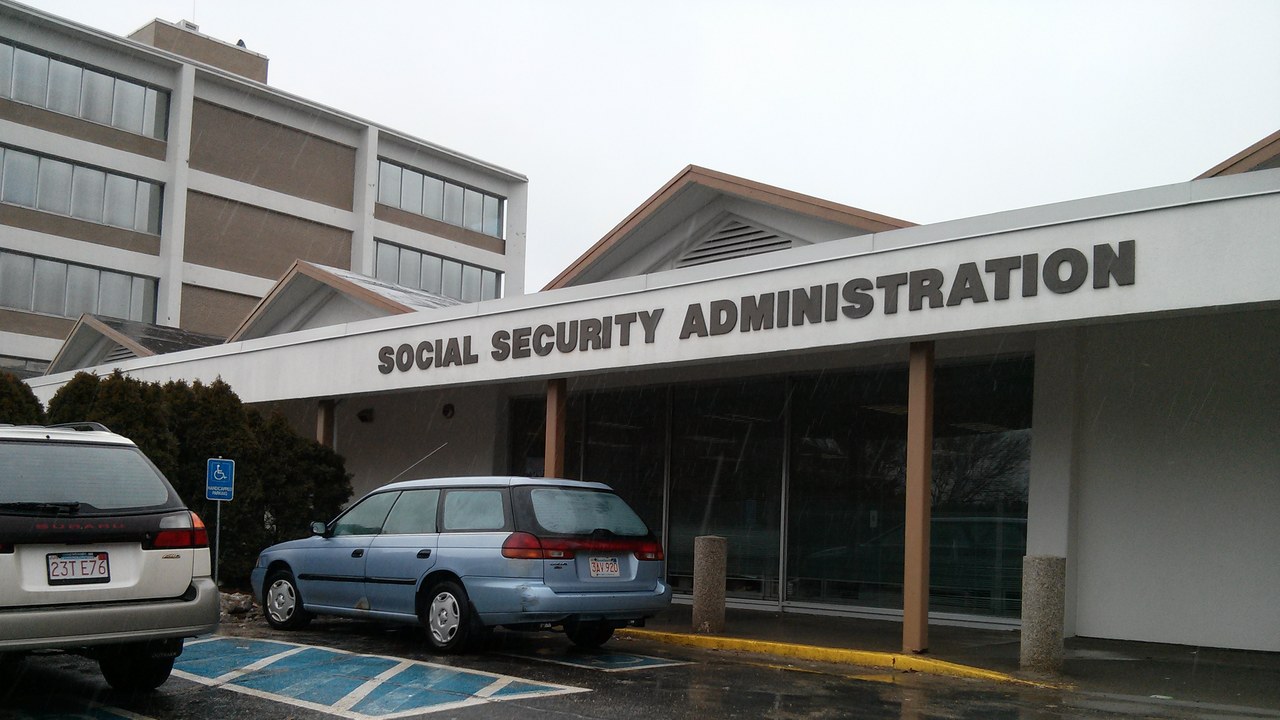
The Social Security Administration marked its 91st anniversary on August 14 with a data dump most agencies would rather not publish: exactly how long people are waiting when they show up in person. This year, for the first time in a while, the numbers moved in the visitor’s favor. Nearly 25 million people walked into a field office in fiscal year 2026, and the agency says the average wait for that group dropped 30 percent from two years earlier.
What SSA Actually Reported on Its Anniversary
On August 14, marking the 91st anniversary of the Social Security Act, the agency listed “shortening the average field office wait times by 30 percent while serving 25 million visitors” among a set of service-delivery improvements it credits to a broader digital-first push under Commissioner Frank Bisignano.
That claim comes from SSA’s own August 14 press release, which ties the field-office gain to the same fiscal year in which the agency also cut its disability claims backlog by more than 30 percent and grew its self-service phone and online options. Field offices remain the one channel where a visitor’s experience is almost entirely about the clock: how long from walking in the door to being called back.
Free retirement updates: A quiet rule change can shrink your Social Security or Medicare check, and no one warns you. The free Retirement Shield newsletter catches these early and tells you what to do. Get it free.
The Numbers Behind the Headline
SSA’s own performance dashboard fills in the detail the press release summarized. For nearly 25 million field-office visitors, the average combined wait in fiscal year 2026 is running just under 21 minutes, down from a 30-minute average in fiscal year 2024 — the 30 percent figure the agency is citing. The dashboard, last updated August 11, 2026, breaks that combined figure into two very different experiences: customers who show up with a scheduled appointment currently wait about 6 minutes on average, while customers who walk in without one wait roughly 26 minutes. The gap between those two numbers is the clearest actionable fact in the entire release for anyone who actually has to visit an office.
Why the Gap Between Appointment and Walk-In Matters
That six-minute-versus-26-minute split isn’t new to this year’s data, but it has gotten wider as the agency has pushed harder to move traffic toward scheduled visits. SSA’s dashboard explicitly tells visitors that “very few services require you to visit a field office” and directs people toward online self-service first, reserving in-person appointments for the transactions that genuinely need a face-to-face visit — certain identity-proofing situations, some SSI applications, or cases where online and phone options have already failed to resolve an issue. For a task that does require showing up, the difference between calling ahead and walking in cold is, on the agency’s own numbers, the difference between a six-minute wait and a wait more than four times as long.
The FY2024 comparison year the agency uses as its baseline had an overall average wait of 30 minutes, split between a 31-minute average for those with an appointment and a 7-minute average for those without — a pattern the dashboard’s own chart data shows essentially reversed itself by this year, with walk-ins now waiting longer on average than appointment-holders. That reversal is itself part of the story: the agency didn’t just make waits shorter across the board, it changed which group waits longer, rewarding the visitors willing to schedule ahead.
How This Fits the Rest of SSA’s Service Story This Year
Field offices are only one leg of a service network the agency has been actively reshaping. The same performance dashboard shows the National 800 Number’s average speed of answer falling from roughly 8 minutes in July 2025 to under a minute in July 2026, with a busy rate that has dropped to as low as zero percent in recent months. Online transactions have climbed past 505 million so far this fiscal year, a more than 30 percent increase over the same period last year. SSA frames field-office wait times as the channel that benefits most indirectly from those other gains — every task successfully completed online or by phone is one less person standing in a field-office line, which is part of why the agency keeps steering routine business away from in-person visits rather than simply adding office staff.
What a Visitor Should Actually Do With This
The practical takeaway for anyone who needs SSA’s help this fall is straightforward and backed directly by the agency’s own numbers: check whether the task can be done through a my Social Security account first, and if an in-person visit is genuinely necessary, book it through SSA’s online appointment scheduler rather than showing up unannounced. The current data puts a scheduled visitor’s wait at roughly a quarter of a walk-in’s, which is a bigger practical difference than the network-wide 30 percent improvement the agency is highlighting in its anniversary release.
The dashboard also notes that actual local wait times vary by office, and that the national averages don’t necessarily reflect any single visitor’s experience — a rural office with lighter traffic or a busy urban office near a large retiree population can each diverge meaningfully from the network-wide numbers. Anyone with a time-sensitive need, such as a replacement card before a travel deadline or an in-person identity check tied to a benefits application, is better served calling ahead or checking the appointment scheduler than assuming the national 21-minute average will hold at their specific office.
This article was produced with AI assistance and reviewed by a human editor. Figures are linked to their primary sources; where a claim could not be verified from the public record, we say so.
More Financial Reading