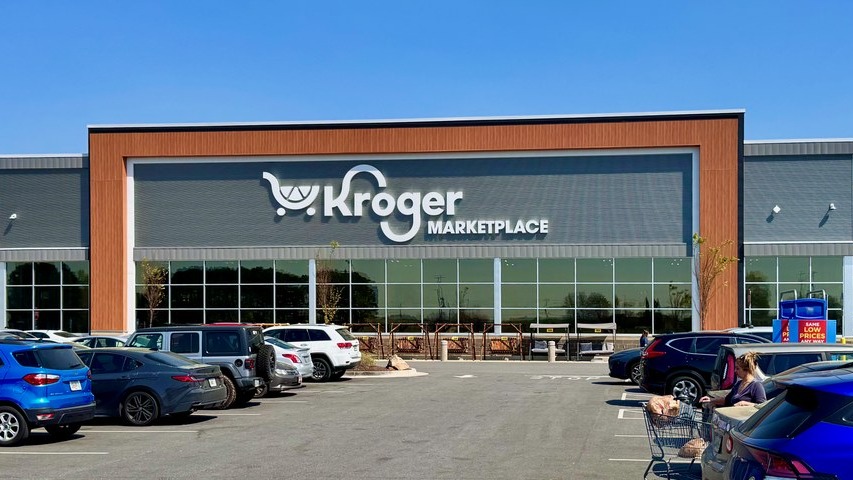
Every time a shopper hands an insurance card to the pharmacist at a Kroger counter, the price charged is supposed to match what Kroger tells its own customers is the usual and customary cash price for that drug. A federal class action filed in the Southern District of Ohio alleged Kroger broke that promise for nearly eight years, charging insured shoppers more than the price Kroger itself advertised through its Kroger Savings Club program. Kroger denies any wrongdoing, but it has agreed to a settlement that pays money back to people who filled a covered prescription with insurance during the class period, and the deadline to ask for a share is now on the calendar.
The Usual-and-Customary Pricing Allegation Against Kroger
The case, Kirkbride et al. v. The Kroger Co., No. 2:21-cv-00022, accuses Kroger of billing insured pharmacy customers more than its own posted usual-and-customary price on a range of prescriptions, even while Kroger separately marketed a discount club offering lower cash prices to shoppers without insurance. Pharmacy pricing rules generally require the price submitted to an insurer to reflect what the pharmacy would actually accept from a cash-paying customer walking in off the street. The lawsuit argued Kroger’s insurance billing didn’t track that standard consistently across its store network, effectively charging insured customers a premium for using the coverage they were paying for. Kroger has not admitted liability and the court has not ruled on the merits of the claims; the parties reached a negotiated settlement instead of proceeding to trial.
Free retirement updates: Want plain-English help keeping more of your money in retirement? The free Retirement Shield newsletter covers the benefits, deadlines, and money mistakes that cost retirees, a couple times a week. Subscribe free.
Who Paid Enough to Qualify
The settlement class covers anyone who paid for one or more prescription drugs with health insurance at a Kroger-family pharmacy between December 9, 2018 and August 23, 2026, a class period that runs nearly up to today’s date. That window covers Kroger’s core grocery-pharmacy locations along with its regional banners, and it applies whether or not a shopper kept the original receipts, since claims can be supported by Kroger’s own pharmacy purchase records in many cases rather than personal paperwork the customer has to dig up. Anyone unsure whether they qualify can check the class definition directly in the settlement’s FAQs before deciding whether filing is worth the time.
Filing By December 21, With an $8,000 Documentation Line
Claims must be submitted, signed and complete by December 21, 2026, through the settlement’s online claim portal or by mailing in the printed claim form. Most claimants can attest to their purchases without extra paperwork, but anyone claiming $8,000 or more in total payments during the class period has to back that up with documentation sufficient to identify their actual payments to Kroger, such as pharmacy printouts or insurance explanation-of-benefits statements tied to a name and date range. That threshold exists to keep the largest claims accountable while letting smaller, more typical claims move through with a simple attestation.
Who the Settlement Leaves Out
Not everyone who shops at a Kroger pharmacy is covered. The class is limited to people who used health insurance to pay for a prescription during the class period; cash-paying customers, including those who used the Kroger Savings Club discount card instead of insurance, fall outside this particular claim because the alleged harm was specific to insurance billing. The settlement also only reaches Kroger-family pharmacies, so prescriptions filled at unrelated chains during the same years aren’t part of this case, even if a shopper also used insurance there.
Why There’s No Confirmed Payout Figure Yet
Several unofficial settlement-tracking sites have circulated a specific total dollar figure for this case, but that number does not appear anywhere on Kroger’s own settlement website, and it is deliberately left out of this article. What the settlement agreement and related filings do confirm is a Net Settlement Fund that will be divided among everyone who files a valid claim, after the court approves attorneys’ fees, administrative costs and any service award to the named plaintiffs. That is standard mechanics for a usual-and-customary pricing case: the per-person payout depends on both the size of the fund and how many class members ultimately file, and neither figure is fixed until the claims window closes. Anyone budgeting around a number that isn’t on the settlement administrator’s own page is budgeting around a figure Kroger has not confirmed.
Objecting, Opting Out and What Comes After December 21
The deadline to exclude yourself from the settlement or file a formal objection is October 22, 2026, well ahead of the claim deadline itself. Class members who take no action at all lose the right to sue Kroger separately over the same pricing claims but remain eligible for whatever payment the settlement ultimately produces once claims are tallied. A federal judge in Columbus still has to grant final approval before any checks go out, which is ordinary at this stage of a class settlement, not a sign the deal is in doubt. The December 21 date determines who is eligible to be paid, not when the money actually arrives, so filing on time matters even if payment takes months to follow.
This article was produced with AI assistance and reviewed by a human editor. Figures are linked to their primary sources; where a claim could not be verified from the public record, we say so.
More Financial Reading