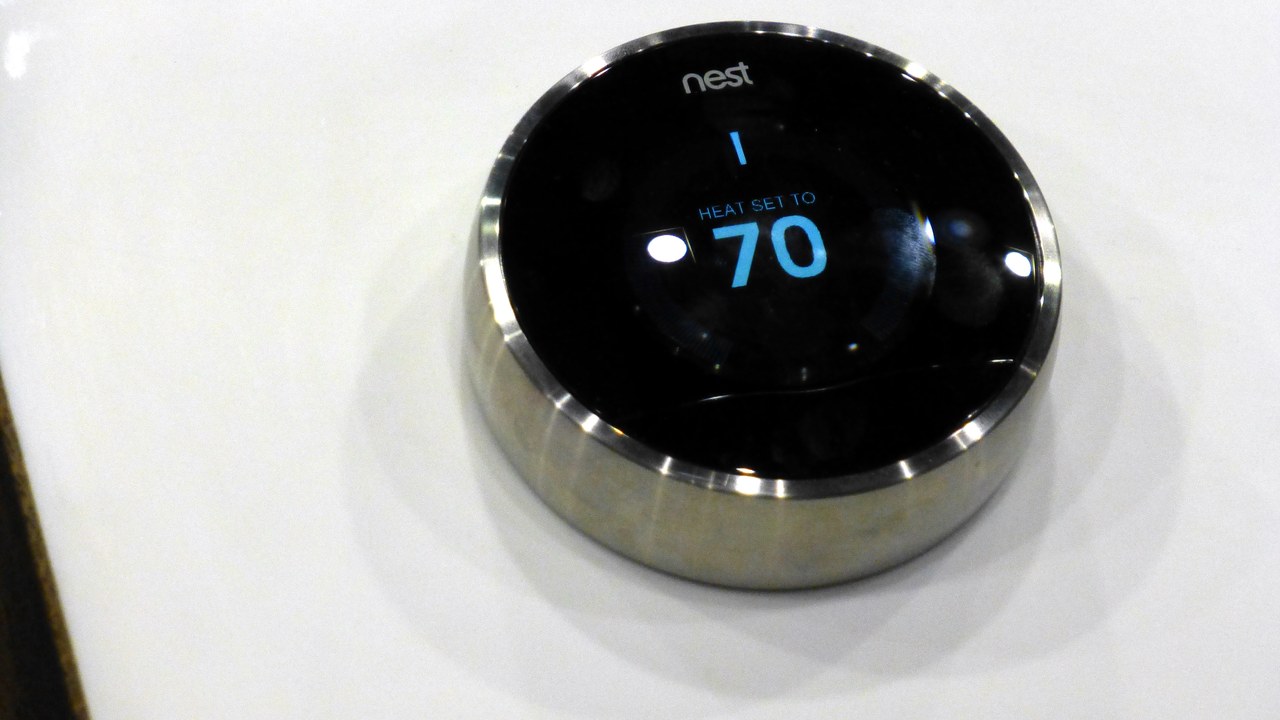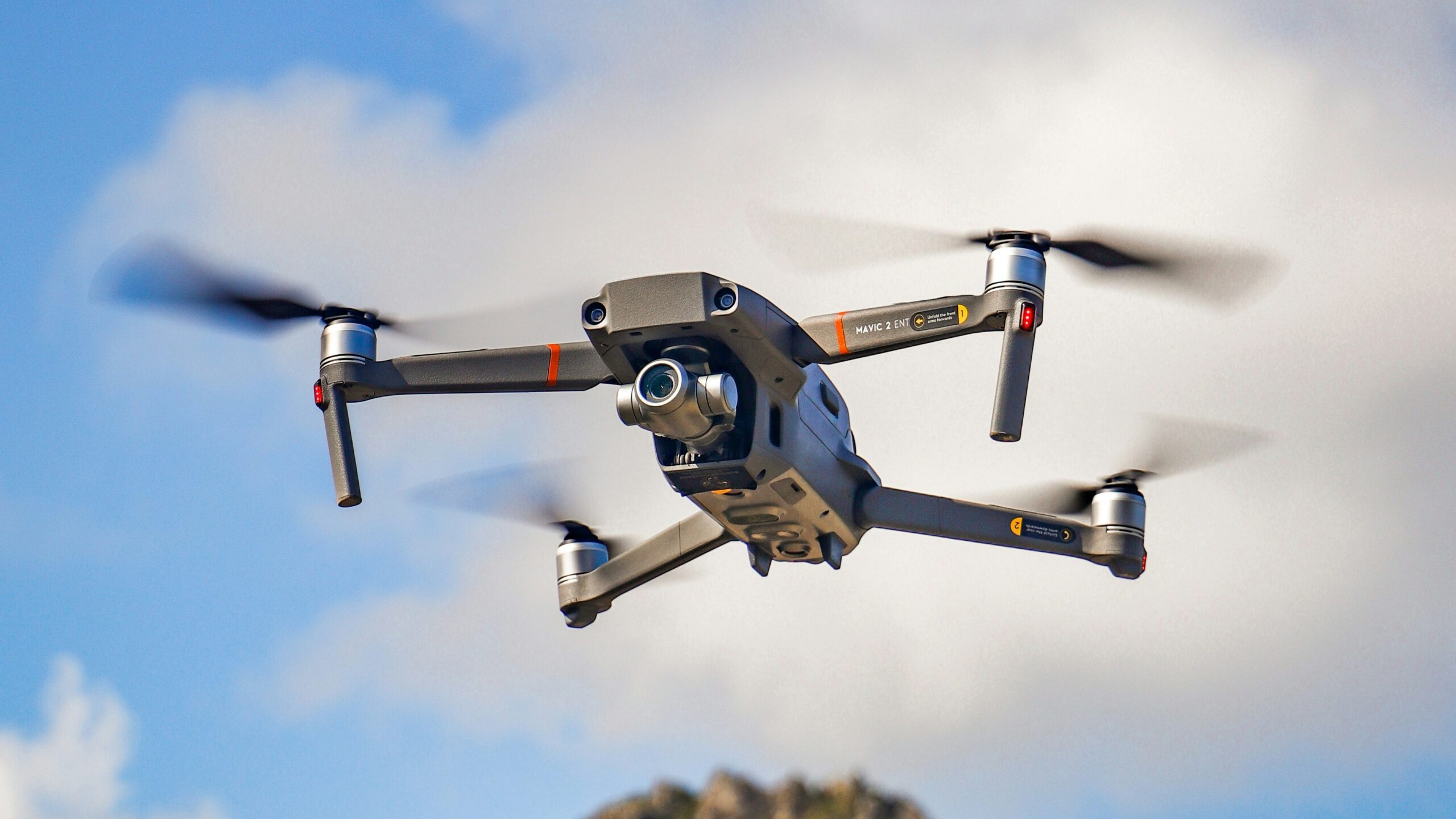
Anyone shopping for a drone this fall is about to run into a price jump that has nothing to do with the manufacturer’s list price. Starting September 3, a new federal tariff adds 100 percent to the cost of importing larger drones and any drone equipped with thermal imaging, on top of whatever the retailer already charges. Smaller, simpler drones get a 25 percent add-on instead. The rule was signed August 13 and takes effect 21 days later, which puts the start date squarely in the first week of September.
What actually triggers the 100 percent rate
The tariff is not based on brand or country of manufacture first; it is based on what the drone can do and how much it weighs. The 100 percent tier applies to drones with a maximum takeoff weight over 25 kilograms, about 55 pounds, and separately to any drone with thermal-imaging capability regardless of weight. Docking stations built for those drones and certain critical components are taxed at the same 100 percent rate. Everything else, smaller consumer and prosumer drones without thermal cameras, along with most other drone components, is set at 25 percent.
According to the White House fact sheet on the proclamation, that split matters for household buyers because thermal imaging is no longer a niche feature. It shows up in drones marketed for search-and-rescue hobbyists, farmers checking irrigation and livestock, home inspectors, and roofing contractors looking for heat loss, not just in military-grade equipment. A consumer buying a thermal-equipped drone for a side business or a serious hobby is squarely in the 100 percent category, even if the drone itself is small and inexpensive by industry standards.
Free retirement updates: Social Security and Medicare change every year, and nobody sends you a memo. Our free Retirement Shield newsletter breaks down what changed and what to do. Get it free in your inbox.
Why “national security” is the stated reason
The administration frames this action as a supply-chain and security measure rather than a consumer-price one. The fact sheet argues that U.S. drone production, both commercial and military, relies heavily on foreign-made components, and that this dependence “poses significant risks to U.S. national security and creates cybersecurity vulnerabilities.” The proclamation, issued under Section 232 of the Trade Expansion Act, the same authority previously used for steel, aluminum and copper tariffs, also authorizes the Secretary of Commerce to set up an onshoring program offering relief to companies that commit to building or expanding U.S. drone manufacturing. None of that changes what a buyer pays this fall, but it explains why the rule targets specifications like weight and thermal capability instead of simply taxing all imported drones equally.
Not everyone pays the same rate
The rule traces back to a Section 232 national-security investigation opened in July 2025 into drone imports, which is also why the tariff carves out lower rates for some of the largest drone-component trading partners. Drones and components from the European Union, Japan, Liechtenstein, South Korea and Switzerland are capped at 15 percent, and goods from Taiwan get the same 15 percent ceiling, provided the hardware, software and technology substantially originate in those countries. The United Kingdom gets an even lower 10 percent cap under the same condition. Notably absent from that preferential list is China, currently the dominant source of consumer and prosumer drone components worldwide, which means drones and parts sourced there are more likely to land in the full 100 percent or 25 percent tiers depending on specification, not the discounted ones.
The clock is already running on components, too
The September 3 date is not the only deadline built into this rule. Tariffs on drone components that are not considered particularly sensitive take effect 180 days after the August 13 signing, which pushes that portion of the rule into February 2027, giving supply chains a longer runway to adjust sourcing for parts than for finished drones. A separate exemption track applies to products the Department of War approves for removal from the Federal Communications Commission’s Covered List within 20 days of signing; those also get the longer 180-day timeline instead of the September 3 start. For a household or small business simply buying a finished drone off the shelf, though, the relevant date remains the one in early September, not the later component deadline.
What it means for the fall buying season
Retailers with existing inventory purchased and imported before September 3 are not required to retroactively apply the tariff, so early shoppers may still find pre-tariff stock at the old price for a period after the rule takes effect. Once that inventory turns over, though, list prices on larger and thermal-equipped drones are likely to reflect the new import cost directly, since a 100 percent duty is too large for most retailers to absorb into existing margins. Anyone planning to buy a heavier drone or one with thermal imaging for farm, inspection or hobbyist use this fall has a real financial reason to act before September 3 rather than after.
This article was produced with AI assistance and reviewed by a human editor. Figures are linked to their primary sources; where a claim could not be verified from the public record, we say so.
More Financial Reading