A quiet back-office deadline is about to affect anyone who has ever issued a 1099 to a contractor, tenant, or freelancer. The IRS is retiring the decades-old FIRE system that has processed most electronically filed information returns, and after November 19 it will no longer accept new filings through that platform at all. The replacement, a newer system called IRIS, is free and already available, but filers who have never touched it before now have a hard window to get set up.
The dates that actually matter
The IRS spelled out three specific cutoffs in its August 24 reminder. November 1, 2026 is the last day to run a test file through the FIRE Trading Partner Test System, the step many software providers and larger filers use to confirm their formatting is correct before the real filing season. November 9, 2026 is the last day to make any changes to an Information Returns Application for a Transmitter Control Code, the credential that authorizes a person or business to file electronically in the first place. And November 19, 2026, at 3 p.m. Eastern, is the absolute last moment anyone can submit an information return through FIRE. After that, the system stops accepting new filings entirely, and every filer moves to IRIS starting with tax year 2026 returns filed during the 2027 season.
Free retirement updates: Want plain-English help keeping more of your money in retirement? The free Retirement Shield newsletter covers the benefits, deadlines, and money mistakes that cost retirees, a couple times a week. Subscribe free.
Who actually has to do anything
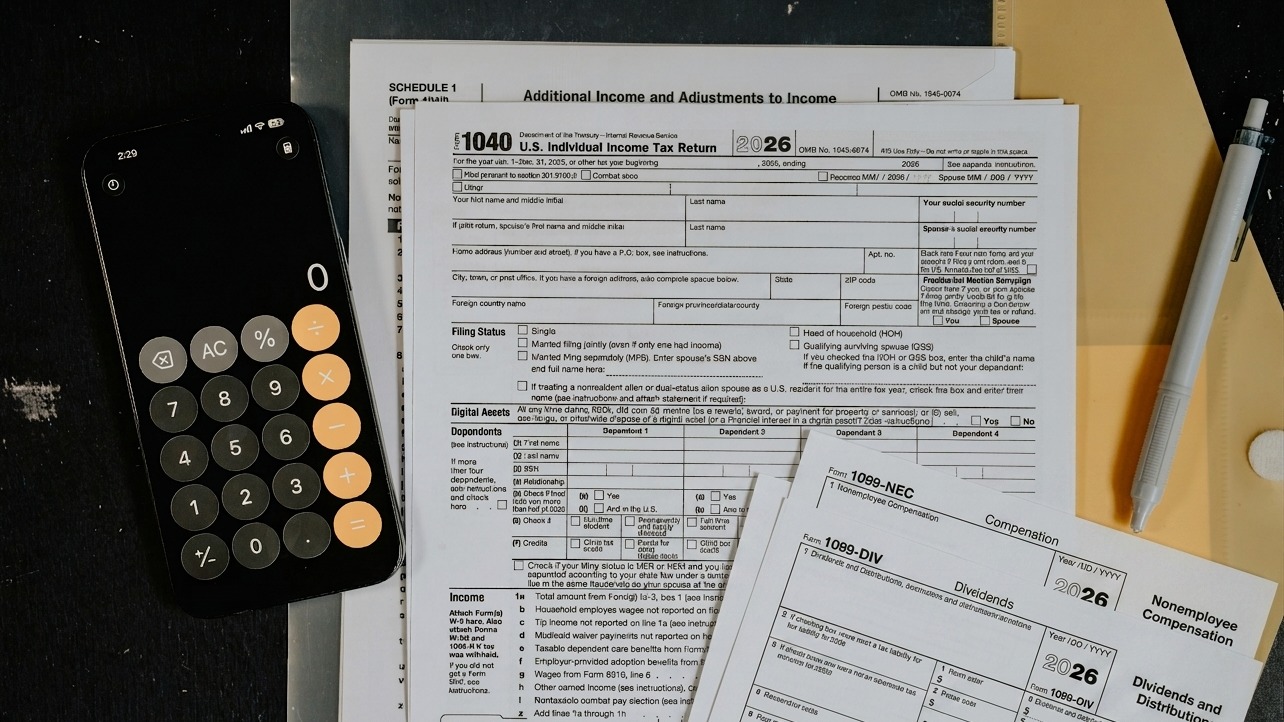
This deadline, laid out in IRS news release IR-2026-99, is easy to overlook because it does not touch the familiar April tax deadline or most individual taxpayers directly. It affects the person or business on the other end of the form: landlords who send a 1099-MISC to a contractor for repair work, gig-economy platforms and small businesses issuing 1099-NECs to freelancers, banks and brokerages sending 1099-INTs and 1099-DIVs, and retirees running a side consulting business who pay another person more than the reporting threshold in a year. If a household or small operation currently files those forms electronically through FIRE, whether directly or through payroll or accounting software, someone in that chain needs to confirm the software vendor or in-house process is ready for IRIS before the FIRE system closes.
What IRIS actually looks like
According to the IRS, the IRIS Taxpayer Portal is a free, web-based system that lets a filer submit up to 100 returns at a time, either by typing information in manually or uploading a CSV file, and it keeps records of everything filed along with downloadable payee copies. That makes it a reasonable fit for a small landlord or a household running a modest side business that issues a handful of 1099s each year. Filers who move larger volumes, or who rely on tax software or a payroll provider, generally use a separate channel called IRIS Application to Application, which is built for automated, higher-volume submissions rather than manual entry.
IRIS is not brand new. It has existed since 2023 as part of a phased handoff of forms away from FIRE, so anyone who already files certain forms through IRIS has a head start. What changes now is that every form previously restricted to FIRE moves over as well, making IRIS the only electronic option once the November 19 cutoff passes.
Getting the credential before the crunch
The step most likely to catch filers off guard is the Transmitter Control Code application. A TCC is required to file information returns electronically, and the IRS explicitly recommends completing an IRIS TCC application ahead of the transition rather than waiting until the FIRE system closes and creating a bottleneck. The agency also points filers toward its Filing Information Returns Electronically page for FIRE-specific guidance and toward IRIS QuickAlerts, an email subscription service, for updates on system changes and scheduled maintenance windows in the run-up to the deadline.
Why this deadline is easy to miss
Unlike a tax-refund claim window or a benefit enrollment period, this change carries no direct dollar figure and no obvious penalty language attached to a specific missed payment. But information returns exist to document income the IRS cross-checks against a taxpayer’s own return, and a filer who cannot submit a 1099 on time because their FIRE access simply stopped working risks late-filing penalties that scale with how long the delay lasts and how many forms are affected. For a small business or an individual managing 1099s without dedicated accounting staff, the safest move is treating IRIS setup as a task for September or October, not a scramble in the days before the November 19 cutoff.
Part of why this transition has stayed quiet is that IRIS has already been running for three years for a subset of forms, so the shift feels incremental to filers who were phased over early rather than sudden. The IRS holds IRIS Working Group meetings on the second Wednesday of every month, open to anyone who registers in advance, and uses those sessions along with its QuickAlerts email list to walk filers through formatting questions and scheduled maintenance windows before the November cutoff arrives. A landlord or small-business owner who has only ever used FIRE, and who skips those resources, is the filer most likely to discover the change the hard way, in the final days before the season closes rather than with time to spare.
This article was produced with AI assistance and reviewed by a human editor. Figures are linked to their primary sources; where a claim could not be verified from the public record, we say so.
More Financial Reading