New Yorkers covered by a UnitedHealthcare Medicare Advantage plan have spent much of 2026 watching a contract fight between their insurer and one of the region’s largest hospital systems play out one deadline at a time. The latest extension pushes the cutoff to September 30, with a new one taking its place on October 1 if the two sides still haven’t signed a deal. For households that rely on NewYork-Presbyterian’s hospitals, doctors and specialists, the calendar now matters almost as much as the coverage itself.
Why September 30 Replaced the Earlier Deadline
NewYork-Presbyterian had originally told patients that UnitedHealthcare coverage would stop being considered in-network on September 1, 2026, while the two organizations worked out a new contract. That deadline came and went without a break in coverage. UnitedHealthcare, which operates in New York State under its own name along with Oxford Health Plans and Sierra Health and Life Insurance Company, agreed instead to keep current network terms in place for Medicare Advantage members through September 30.
Both sides have posted matching updates confirming the new date. NewYork-Presbyterian’s own page, last updated August 27, 2026, says the hospital system and the insurer have agreed to extend in-network coverage through September 30, 2026, for Medicare Advantage members while negotiations continue, and that this reverses the earlier September 1 cutoff notice. UnitedHealthcare’s own negotiations page, updated a day later on August 28, describes the same September 30 extension while the companies finalize the terms of a new multi-year agreement covering not just Medicare Advantage but also employer-sponsored commercial plans, Medicaid, the Essential Plan and several other product lines. If the two sides cannot close that agreement by September 30, NewYork-Presbyterian’s hospitals and medical group practices become out-of-network for most UnitedHealthcare Medicare Advantage members starting October 1.
Free retirement updates: Want plain-English help keeping more of your money in retirement? The free Retirement Shield newsletter covers the benefits, deadlines, and money mistakes that cost retirees, a couple times a week. Subscribe free.
Which Medicare Plans Are Actually on the Line
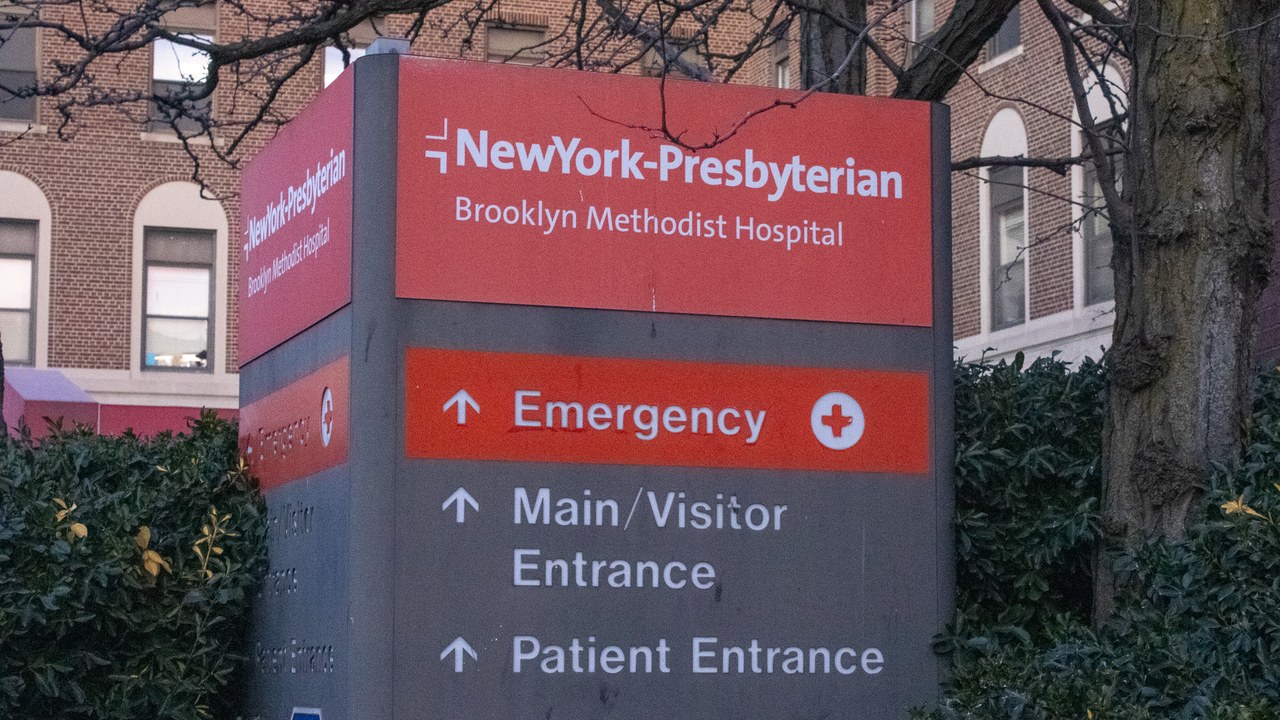
Not every UnitedHealthcare member with a NewYork-Presbyterian doctor is affected the same way. UnitedHealthcare’s Medicare Advantage changes specifically do not touch AARP Medigap and Medicare Supplement policies, and they do not touch Group Retiree PPO plans offered through a former employer. Those members keep their current access regardless of how the contract talks end. Individual HMO and POS Medicare Advantage members, along with some group HMO plans, are the ones facing a real network change if October 1 arrives without a deal, and out-of-network benefits under those plans, where they exist at all, are typically far less generous. The scope is broad: NewYork-Presbyterian’s own list of affected sites includes its flagship Columbia and Weill Cornell campuses, the Allen Hospital, Brooklyn Methodist, Lower Manhattan Hospital, Hudson Valley Hospital, Westchester, Queens, and affiliated practices such as Main Street Radiology for commercial and Medicare Advantage patients specifically.
There’s a separate wrinkle worth knowing. Physicians who are part of ColumbiaDoctors or Weill Cornell Medicine are expected to remain in-network no matter what happens with the hospital contract. But NewYork-Presbyterian warns that seeing one of those doctors won’t necessarily protect a patient from an out-of-network bill, because services performed at a NewYork-Presbyterian facility itself, including diagnostic testing, lab work, pre-admission testing, ambulatory surgery and inpatient stays, could still fall outside the network starting October 1 even when the treating physician remains covered.
The December 29 Window for Patients Already in Treatment
For anyone in the middle of an active course of care, the rules are more forgiving than a hard October 1 cutoff. Patients who are undergoing inpatient or outpatient treatment before October 1 will have their scheduled appointments, procedures and follow-up care, including post-operative visits, treated as in-network through December 29, 2026. Starting December 30, any additional non-emergency visits tied to that same course of treatment would need UnitedHealthcare’s approval to stay in-network. Pregnant patients get an even longer runway: coverage is treated as in-network for the full pregnancy and postpartum period, which can run longer than 90 days.
That continuity window doesn’t apply automatically to every future appointment, though. Anyone with a visit already scheduled at a NewYork-Presbyterian facility after September 30 is being encouraged to contact their care team to see whether an earlier appointment is available, precisely because a later date could land after the network status changes.
What Affected Members Can Do Before the Clock Runs Out
Members who could lose in-network access have real options, and the timing lines up with Medicare’s annual Open Enrollment period, which runs October 15 through December 7. Anyone weighing whether to keep a NewYork-Presbyterian-heavy plan or switch to one that already includes the hospital system’s doctors can compare options directly at Medicare’s own plan-finder tool. Calling the member services number on the back of a UnitedHealthcare ID card is also the fastest way to get a direct answer about whether a specific ongoing treatment qualifies for the December 29 continuity protection, since that determination is handled case by case rather than automatically. Group retirees with employer-sponsored coverage should check with their former employer or plan sponsor, since those plans can carry their own rules about when and how members are allowed to switch.
This article was produced with AI assistance and reviewed by a human editor. Figures are linked to their primary sources; where a claim could not be verified from the public record, we say so.
More Financial Reading