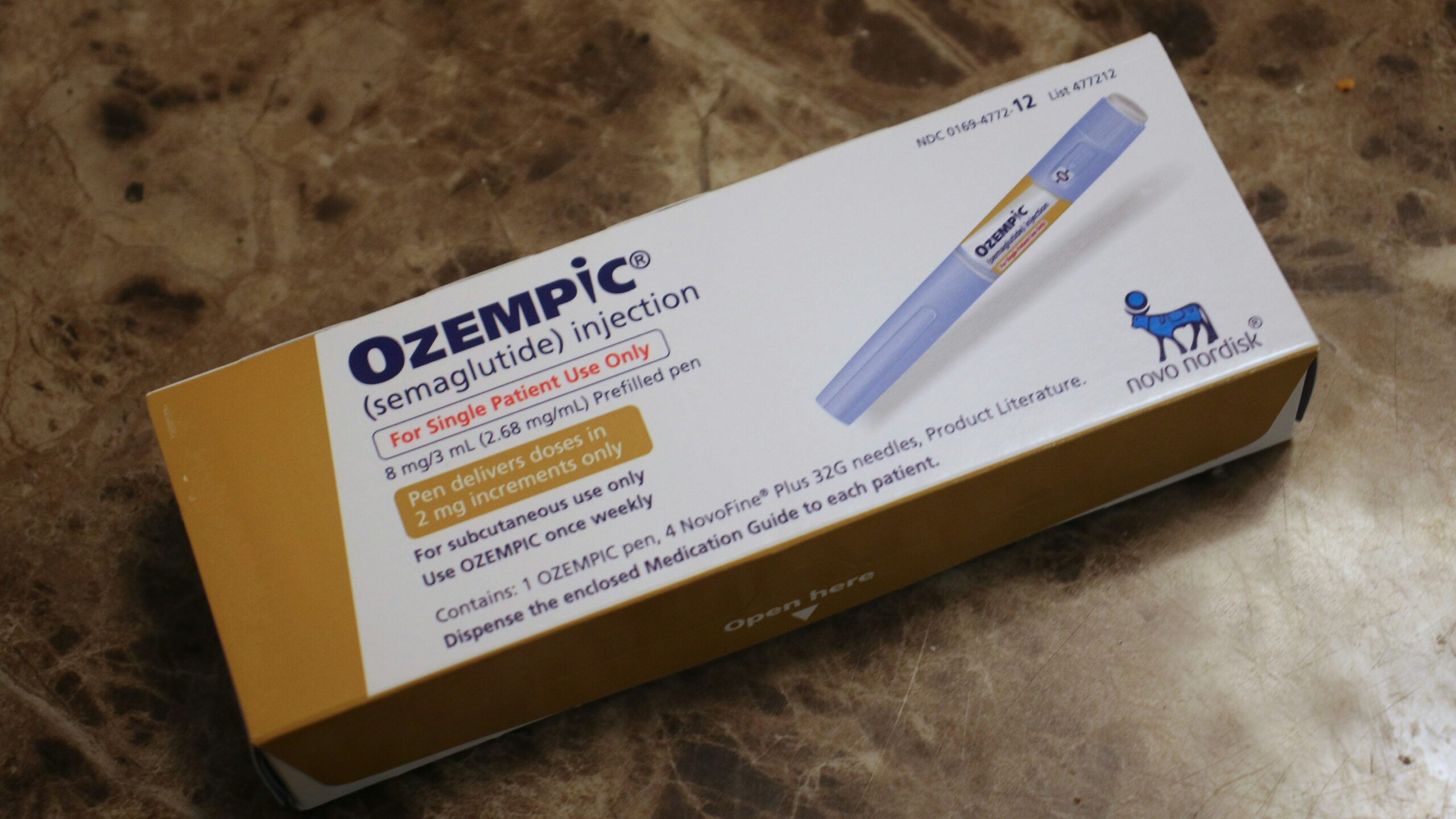
The most talked-about drug in America is about to get cheaper for the people who buy it through Medicare. Semaglutide — sold as Ozempic, Wegovy and Rybelsus — is one of 15 medicines that will carry a new, lower Medicare-negotiated price starting January 1, 2027. For a Part D household filling one of these prescriptions, the change is not abstract policy; it is a different number at the pharmacy counter.
How the second negotiation round works
The price cuts come from Medicare’s drug-price negotiation program, created by the Inflation Reduction Act. Each cycle, the Centers for Medicare & Medicaid Services picks a set of high-spending drugs covered under Part D and negotiates a ceiling price, called a maximum fair price, that takes effect on a set date. This is the second cycle, and CMS set maximum fair prices for 15 drugs that take effect January 1, 2027, according to the agency’s Medicare Drug Price Negotiation Program materials. The maximum fair price is a cap, not a coupon, so it changes the underlying price the plan and the member work from.
Free retirement updates: Social Security and Medicare change every year, and nobody sends you a memo. Our free Retirement Shield newsletter breaks down what changed and what to do. Get it free in your inbox.
Semaglutide: from a $959 list to $274 for 30 days
Semaglutide is the headline because of its size and its price. Novo Nordisk’s drug, used for type 2 diabetes and weight management under its various brand names, gets a maximum fair price of $274 for a 30-day supply, down from a list price of about $959. That is roughly a 71% cut on the reference price. The savings a specific member sees depends on their plan’s cost-sharing and where they are in the benefit year, but the negotiated ceiling pulls the whole calculation down from a much higher starting point.
It is worth being precise about who benefits. The negotiated price applies to Medicare Part D — the drug benefit — not to people with commercial insurance or those paying cash outside Medicare. For a retiree on a Part D plan who takes semaglutide, though, this is one of the larger single-drug price changes the program has produced.
The other 14 drugs on the list
Semaglutide is the most famous name, but it shares the list with drugs that treat cancer, respiratory disease and digestive conditions. The 15-drug slate includes Pfizer’s Ibrance and Xtandi, GSK’s Trelegy Ellipta, Teva’s Austedo and AbbVie’s Linzess, among others, as AARP detailed in its rundown of the 2027 list. These are not obscure medicines; they cover common cancers, COPD, movement disorders and irritable bowel conditions, which is why the program targeted them in the first place. A household should check the full list against its own prescriptions rather than assume only the diabetes drug is affected.
What the savings add up to
The aggregate figures are large. CMS has estimated the negotiated prices on this round will produce something on the order of $8.5 billion to $12 billion a year in savings, with Part D beneficiaries seeing an estimated $685 million in out-of-pocket savings under the program’s defined standard benefit, as covered in trade reporting from Fierce Pharma. Those are national totals shared between the federal government and enrollees, so no single person captures the whole number. But the beneficiary share is real money spread across the millions of people who fill these 15 prescriptions.
The way a lower price reaches a household is through cost-sharing. When the underlying price of a drug falls, the coinsurance or copay tied to that price generally falls with it, and the drug counts against the member’s out-of-pocket spending at the new, lower amount. For someone taking a pricey specialty drug, that can mean reaching — or not reaching — the year’s out-of-pocket protections at a different pace.
When and how it shows up in 2027
The prices take effect January 1, 2027, so the change is not retroactive and will not appear on a 2026 refill. Households do not need to sign up for anything special to get the negotiated price; it is built into Part D coverage automatically for the listed drugs. The action item is narrower: confirm during Medicare’s Open Enrollment, which runs October 15 to December 7, that the plan chosen for 2027 covers the specific drug a household takes and check how that plan applies the new price in its cost-sharing.
Not every plan handles formulary placement identically, so two people taking the same negotiated drug can still see different copays depending on their plans. Running the exact medication through Medicare’s Plan Finder before the December 7 deadline is the way to see the real out-of-pocket cost rather than guessing from the headline price. For a household filling one of these 15 prescriptions, that ten-minute check is where a national policy turns into a smaller bill.
This article was produced with AI assistance and reviewed by a human editor. Figures are linked to their primary sources; where a claim could not be verified from the public record, we say so.
More Financial Reading