For the first time, some Medicare beneficiaries can fill certain popular GLP-1 weight-loss medications for a flat $50 a month. The catch worth understanding up front is that this is a temporary program with an expiration date, not a permanent new Medicare benefit. It is called the Medicare GLP-1 Bridge, and for households where a doctor has recommended one of these drugs, it can turn a bill that used to run many hundreds of dollars a month into a predictable, budgetable cost.
What the Medicare GLP-1 Bridge is — and when it ends
The Centers for Medicare & Medicaid Services describes the Bridge as a time-limited demonstration that gives eligible people with Medicare Part D drug coverage access to certain GLP-1 medications for $50 for a monthly supply, running from July 1, 2026 through December 31, 2027. In its announcement, CMS framed the effort as a test of a new way to make expensive but effective weight-management treatments affordable for seniors, with the government running centralized processes to pay pharmacies a consistent way. Because it is a demonstration operating under the agency’s authority to test new approaches, it is scheduled to end on that 2027 date unless CMS decides to extend or replace it. Plan around the $50 price while it lasts, but do not assume it is guaranteed beyond the demonstration window.
Free retirement updates: Want plain-English help keeping more of your money in retirement? The free Retirement Shield newsletter covers the benefits, deadlines, and money mistakes that cost retirees, a couple times a week. Subscribe free.
Which drugs are covered, and the fine print on the $50
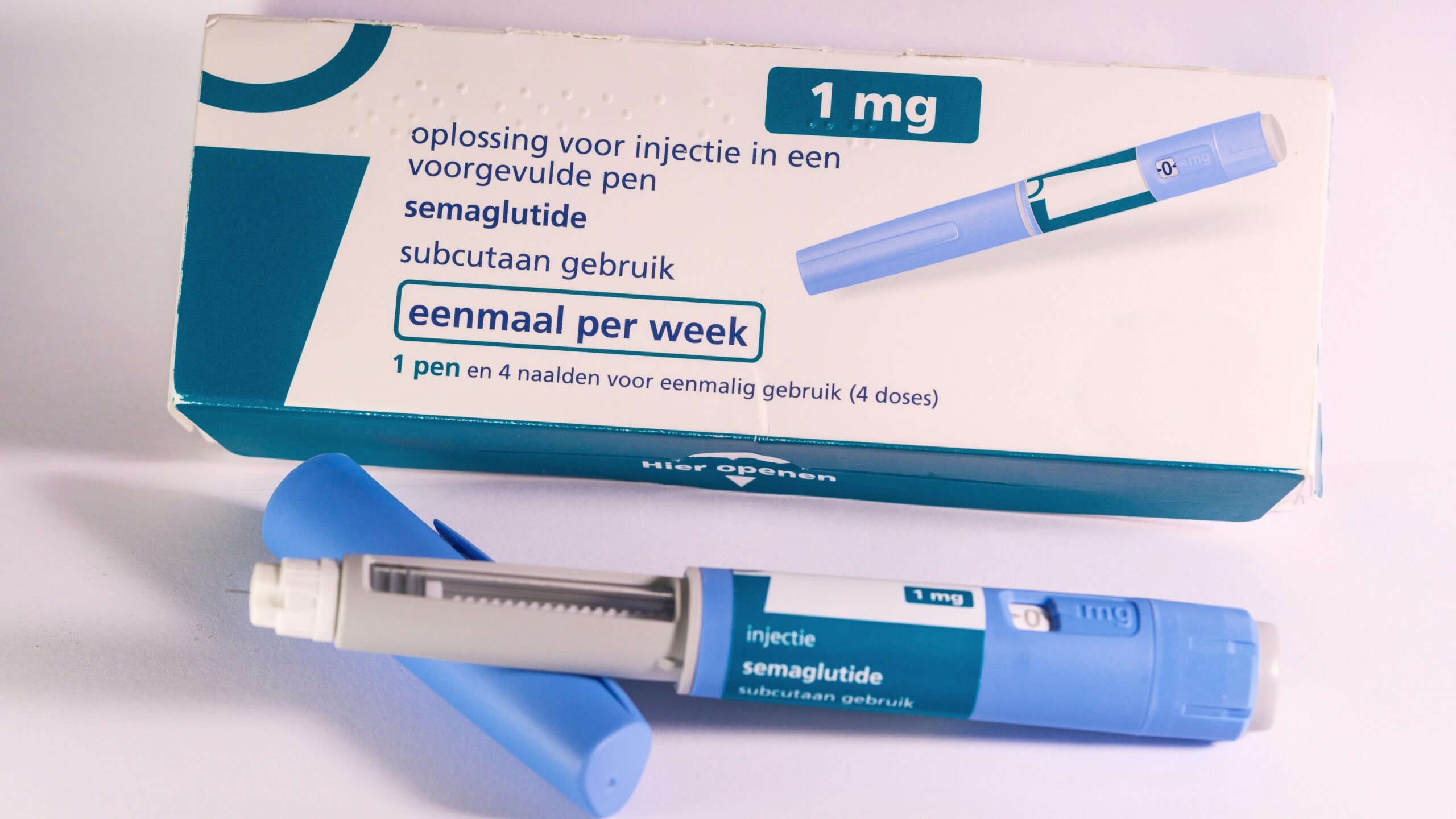
The Bridge does not cover every GLP-1 on the market, and the specifics matter. According to CMS program details, the covered medications when the demonstration launched were all formulations of Wegovy, all formulations of Foundayo, and the KwikPen formulation of Zepbound — dispensed for weight management for people who meet the medical criteria. So while Wegovy is broadly covered, only a specific version of Zepbound qualifies; if you are prescribed a different pen, it may not be part of the program. CMS lays out the current drug list and rules on its Medicare GLP-1 Bridge page, which is the place to confirm any changes.
There is also a nuance in how the $50 works. CMS says the $50 copay stays the same regardless of which phase of the Part D benefit you are in when you fill the prescription. But those $50 copays do not count toward your Part D deductible or toward the annual out-of-pocket spending limit that caps what Part D members pay each year. In plain terms: the drug is cheap at the counter, but paying for it does not help you reach the point where Part D starts covering your other medications at a lower share.
Who qualifies
Eligibility runs through your doctor and is based on both your coverage and your health profile. You need Medicare Part D prescription drug coverage, and the medication must be prescribed for weight management. Beyond that, the program uses body-mass-index thresholds combined with certain health conditions to decide who is eligible, rather than opening the door to anyone who wants a weight-loss drug. The most reliable path is to talk with your prescriber about whether you meet the criteria and whether one of the covered drugs is appropriate for you. CMS has said it would share more beneficiary-facing detail as the program operates, so the exact rules can be confirmed with your plan and your doctor rather than assumed.
How the government set the program up to run
Part of what makes the flat $50 possible is the way CMS built the program behind the scenes. Rather than leaving each Part D plan to negotiate and process these claims on its own, CMS said it is running centralized processes for claims adjudication and paying pharmacies directly, so the experience is meant to be consistent from one pharmacy to the next. The agency has said it is working with providers, pharmacies, and drug manufacturers to support the rollout, and that it would continue to share information for beneficiaries as the program operates. For a patient, the takeaway is that the $50 price is designed to be the same predictable number regardless of where you fill the prescription, as long as the drug and your eligibility qualify.
It is also worth knowing why the program exists in this temporary form at all. Medicare has historically not paid for drugs used purely for weight loss, and covering the newest GLP-1 medications broadly would carry an enormous price tag. The Bridge is a demonstration — a controlled test the agency can study — rather than a permanent expansion of the Part D benefit. That is the reason it comes with both a start date and an end date attached, and the reason no one should assume it becomes a standing feature of Medicare once 2027 closes out.
What it means for a household budget
The household math is the real story here. GLP-1 medications have carried list prices in the range of many hundreds to more than a thousand dollars a month, which put them out of reach for a lot of people on fixed incomes. A flat $50 monthly copay changes that calculation for anyone whose doctor has recommended one — but only for the roughly year-and-a-half the demonstration is scheduled to run, and only for the specific covered drugs. If you start a covered medication under the Bridge, it is worth asking your prescriber now what the plan is after December 2027, because the price you pay could change substantially when the demonstration ends. Treat the $50 as a real, current opportunity with a clear deadline attached, and confirm your own eligibility directly with your Part D plan and prescriber before counting on it.
This article was produced with AI assistance and reviewed by a human editor. Figures are linked to their primary sources; where a claim could not be verified from the public record, we say so.
More Financial Reading