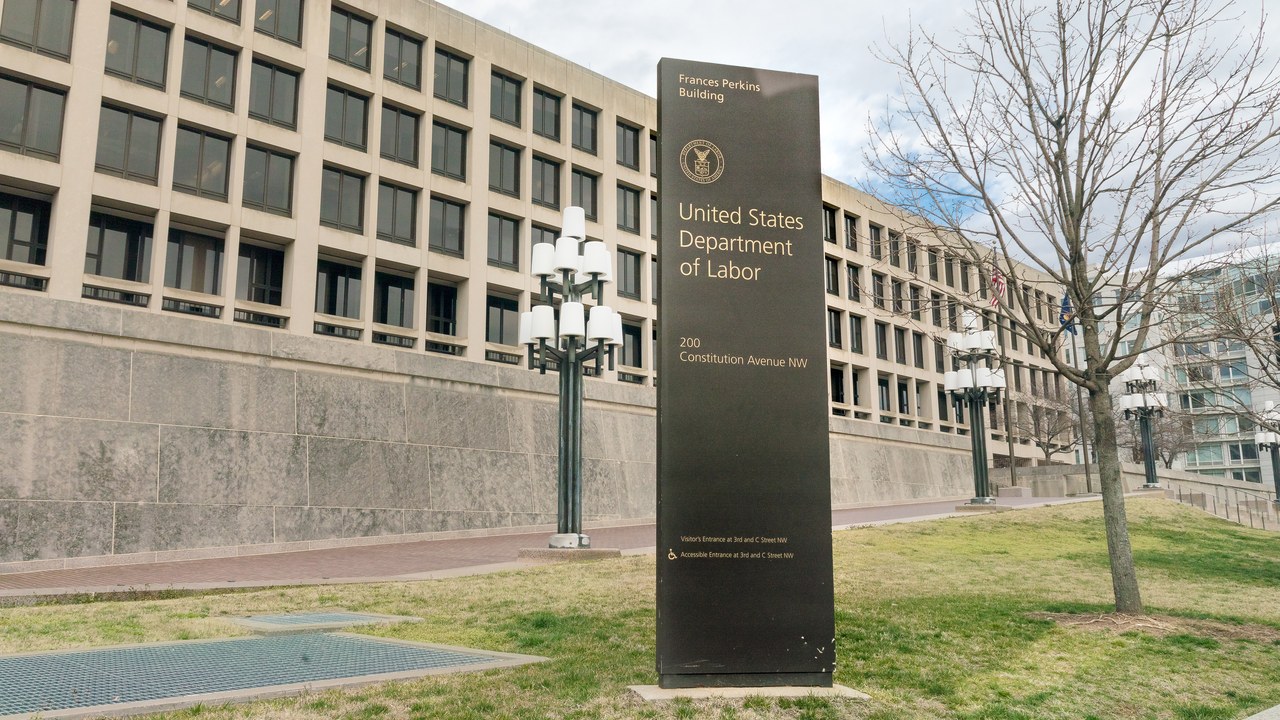
$613,037. That is the figure the U.S. Department of Labor recovered in back wages from a Minnesota restaurant group after a federal investigation found it had not paid minimum and overtime wages as the law requires. Forty-six workers are attached to that total. The case is small enough to be invisible outside the Twin Cities and specific enough to show exactly how unpaid overtime accumulates into six figures.
Four of nine locations, four limited liability companies, one brand
Investigators from the department’s Wage and Hour Division examined four of the employer’s nine Minnesota locations. The corporate structure is worth noting because it is common in food service: four separate limited liability companies, named Rehman LLC, IN LLC, IQ LLC, and MOON LLC, all operating under the single trade name NY Gyro. A worker walking into any of them saw one restaurant brand. The paperwork behind the counter showed four employers.
That structure did not shield the money. The department treated the entities together in announcing the recovery, and the total it published covers all 46 workers across the locations it reviewed. Five of the nine Minnesota locations were not part of the investigation, which means the published figure describes what investigators found where they looked, not a full accounting of the chain.
Free retirement updates: A quiet rule change can shrink your Social Security or Medicare check, and no one warns you. The free Retirement Shield newsletter catches these early and tells you what to do. Get it free.
What $613,037 divided by 46 workers actually describes
The arithmetic is simple and the caveat matters. Dividing the recovered total by the number of affected workers produces an average of roughly $13,327 apiece. The department published the total and the headcount; it did not publish a per-worker breakdown, and back wages under federal law are computed worker by worker from the hours each person actually worked. The average is a way of putting the scale of the recovery into household terms, not a check anyone is described as receiving.
Even as an average, the number carries weight. A full-time schedule of 40 hours a week at the $7.25 federal minimum wage grosses $15,080 over a year, so an average recovery of roughly $13,327 runs to more than ten months of gross pay at that floor. It is also a reminder that overtime violations are rarely one dramatic theft. They are a small weekly shortfall repeated across a long enough stretch of time to compound.
Straight time past 40 hours is where the money came from
The central finding is that the employer paid workers straight-time pay for all hours worked, including hours over 40 in a workweek. Under the Fair Labor Standards Act, hours past 40 in a workweek generally must be paid at one and one-half times the employee’s regular rate. Paying the flat hourly rate for hour 41 and beyond is not a paperwork error; it is the violation itself, and the gap between what was paid and what was owed is precisely what the department recovered.
The investigation also found a straight minimum wage violation. One employee was paid less than the $7.25 per hour federal minimum. Minnesota sets its own higher state minimum, but the federal floor is what the Wage and Hour Division enforces, and the act it enforces applies regardless of what a state statute says on top of it.
No record of hours worked is its own violation
The third finding is the one that made the others possible. The employer failed to maintain records of hours worked, which violates the recordkeeping provisions of the same law. Recordkeeping tends to read like an administrative footnote next to unpaid overtime. In practice it is the mechanism: without time records, there is no document showing how many hours anyone worked, and no way for a worker to demonstrate the shortfall without a federal investigation.
The department’s response to this pattern is to push tools at both sides. Its compliance assistance materials include industry-specific toolkits for employers and a free timesheet app that lets a worker keep an independent record of hours and pay. A worker who keeps a personal log is not relying on an employer’s honesty about a number that only the employer wrote down.
The search tool that exists for money already collected
Back wages the division collects do not always reach the people they belong to, usually because a former employee has moved and left no forwarding address. The department maintains a public Workers Owed Wages search for exactly that situation, letting someone check by employer name whether money recovered on their behalf is still waiting. It is one of the few federal databases where a search can end in a payment rather than a form.
The Minnesota case is now closed on the department’s side. Its news release, dated July 28, 2026 and carrying release number 26-787-CHI, is the official record of what was found and what was recovered: $613,037, 46 workers, four locations out of nine.
This article was produced with AI assistance and reviewed by a human editor. Figures are linked to their primary sources; where a claim could not be verified from the public record, we say so.
More Financial Reading