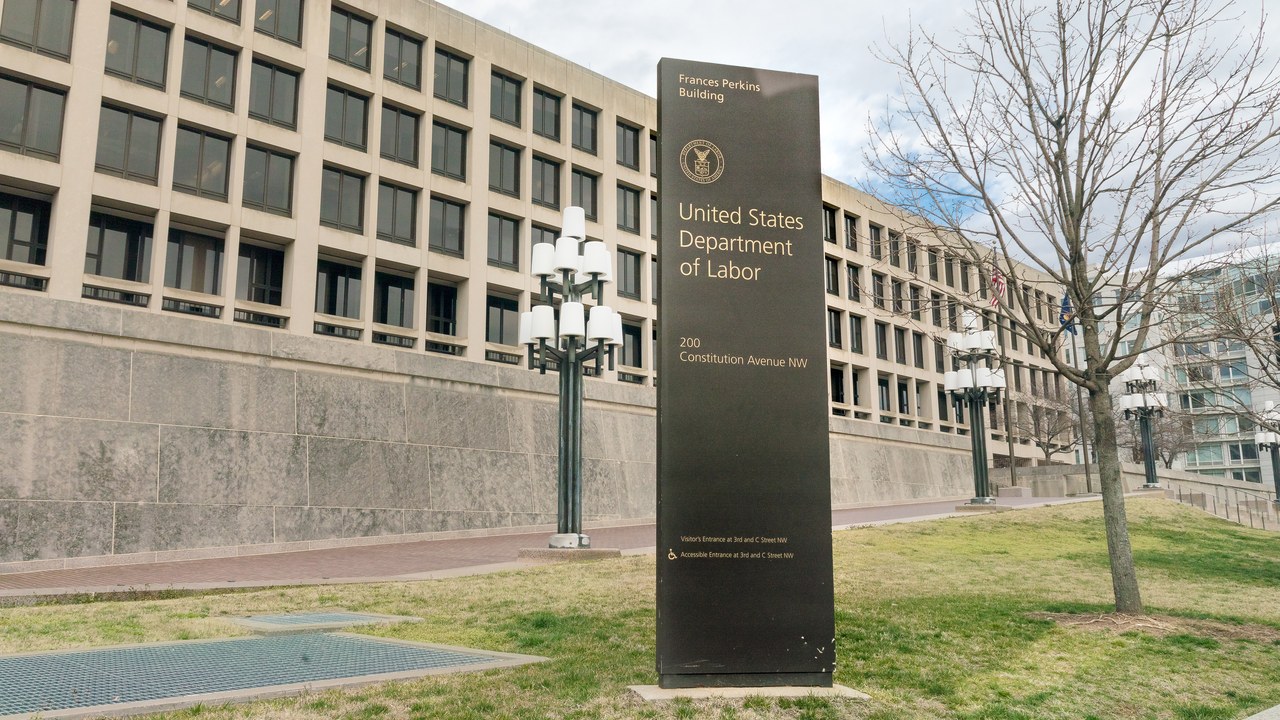
A three-page notice filed in the Federal Register on August 10 carries a docket number, a bid window, and a dollar figure that stands in for roughly 1,500 American houses. The document is the Department of Housing and Urban Development’s second announcement of a loan sale it calls HNVLS 2026-1, and the loans inside it total approximately $465 million. Each one is a reverse mortgage on a property that is still occupied, where the borrower and any spouse have died and no heir has come forward in the time since.
What sits inside the HNVLS 2026-1 loan pool
The loans being offered are home equity conversion mortgages, the federally insured reverse mortgage product usually shortened to HECM. They are described in the notice as due and payable and as Secretary-held, meaning HUD itself now holds the paper rather than the original lender. All of them are first liens on occupied single-family properties. The common thread that put them in the same pool is not late payment in the ordinary sense but a death followed by silence: the borrower and the co-borrowing spouse are gone, and the estate never surfaced.
HUD states in the August 10 notice that the loans will be sold without FHA insurance and with servicing released, and that a full listing of the mortgage loans goes only to qualified bidders inside the due diligence materials. The department frames the sale as an effort to reduce financial risk to the Mutual Mortgage Insurance Fund, the insurance pool that absorbs losses on FHA-backed lending, and to move defaulted assets off its own books.
Free retirement updates: Keep more of your Social Security and savings with plain-English updates on the changes, deadlines, and costly mistakes retirees miss. Subscribe free.
How a reverse mortgage ends up Secretary-held
A HECM lets an older homeowner draw against equity without a monthly payment, and the balance grows with interest until a triggering event. The last surviving borrower’s death is the most common trigger. At that point the loan becomes due and payable, and the debt has to be settled out of the house one way or another.
The reverse mortgage loans in this offering were insured under section 255 of the National Housing Act and later assigned to HUD, which is how the Secretary came to hold them. HUD’s authority to turn around and sell them comes from section 204(g) of the same statute. The department calls this the second sale offering of its type, following the original announcement it published in January under the same HNVLS 2026-1 label; because the sale slipped, HUD reissued the notice rather than letting the January version stand.
The 30-day window the rules give an estate
What happens between a borrower’s death and a loan landing in a HUD auction is set out in 24 CFR 206.125. The servicer has to notify HUD when the mortgage becomes due and payable, then notify the borrower’s estate and heirs within 30 days of that step. The estate then gets 30 days from the date of that notice to act.
The options in the regulation are narrow but real. An heir may pay the outstanding balance in full, including accrued interest and advances. An heir may instead sell the property for an amount no less than the figure HUD sets by notice, which the rule caps at 95 percent of the appraised value, with net proceeds applied to the balance and closing costs limited to the greater of 11 percent of the sales price or a fixed dollar amount HUD publishes. An heir may hand over a deed in lieu of foreclosure. Once the loan is due and payable, the appraisal is done at the servicer’s expense rather than the family’s. If nothing happens, the regulation directs the servicer to commence foreclosure within six months of the due date.
A note sale, not an eviction docket
It is worth being precise about what this auction is and is not. HUD is selling loans, not houses, and the notice describes a transfer of notes to private bidders rather than any action against an occupant. What changes at settlement is who owns the debt and who services it. HUD’s own terms say deliveries occur in conjunction with settlement and servicing transfer no later than 60 days after the award date.
The notice also states that the standardized sales contract, which HUD calls the Conveyance, Assignment, and Assumption Agreement, will contain first look requirements. Separately, bidders must sign an attestation tied to Executive Order 14376 and subsequent congressional action, certifying that no loan purchased will result in acquiring the security property in circumstances that would be prohibited by Title X of the 21st Century ROAD to Housing Act. Neither provision is described in the notice as a protection for a specific household, and the details live in documents HUD releases only to qualified bidders.
September 1, and the two weeks around it
The calendar in the notice is short. The Bidder Information Package went to qualified bidders on or about August 4. Bids will be accepted from 10:00 a.m. to 1:00 p.m. Eastern on the bid date, currently scheduled for September 1, 2026. HUD anticipates holding awards on or about September 3. Prospective bidders register through Falcon Capital Advisors, the transaction specialist HUD names in the notice, after submitting a confidentiality agreement, a qualification statement on form HUD-9611, and the attestation addendum. Nonprofit and governmental bidders no longer file the separate HUD-9612 addendum that earlier sales required.
None of it is guaranteed to close on that schedule. HUD reserves the right to pull loans from the sale at any time before the award date and the settlement date, to reject any and all bids in whole or in part, and to roll unsold reverse mortgage loans into a later sale. The document also draws a boundary around itself: it applies to HNVLS 2026-1 and, in HUD’s phrasing, “does not establish HUD’s policy for the sale of other mortgage loans.” It was signed by Joseph M. Gormley, performing the delegable duties of the Assistant Secretary for Housing and Federal Housing Commissioner.
This article was produced with AI assistance and reviewed by a human editor. Figures are linked to their primary sources; where a claim could not be verified from the public record, we say so.
More Financial Reading