For families that use SNAP benefits, what the card can buy is starting to depend on the state. The U.S. Department of Agriculture has approved a wave of state waivers that bar SNAP dollars from purchasing soda, candy, and similar items, and after a court paused several of them, roughly 18 states now have restrictions in effect. The benefit still covers groceries; it just no longer covers the restricted items in those states. For a shopper, the change shows up at the checkout — which makes knowing your own state’s rules the thing that matters.
What the waivers do
SNAP has historically let recipients buy almost any food or beverage product, with a few longstanding exclusions like alcohol and hot prepared foods. The new waivers narrow that. Under the USDA’s SNAP food-restriction waiver process, states can apply for federal permission to exclude specific items — chiefly soda and candy — from what SNAP benefits will pay for, and the USDA has been granting those requests.
The mechanism is a state-by-state waiver, not a single national rule, which is why the map is uneven. A state has to apply, the USDA has to approve, and the restriction takes effect on a date that state sets. That structure means two neighbors can have different rules: SNAP in one state may still cover a soda that SNAP in the next state over will not.
Free retirement updates: Enrollment and claim windows come and go, and missing one can cost you real money. The free Retirement Shield newsletter keeps you ahead of the deadlines that matter. Sign up free.
Why the number is about 18, not the full count approved
The count of states with active restrictions is lower than the count that won approval, and the gap is the result of a court fight. The USDA approved waivers in roughly two dozen states. But a federal court ruling in mid-2026 paused the restrictions in five of them — finding the agency had exceeded its authority in those cases — leaving the remaining waivers, about 18 states’ worth, in effect while the litigation continues.
That is why a household cannot rely on a national headline to know its own situation. A state may have been approved, then had its waiver paused by the court; another may be fully in effect; another may not have applied at all. The legal picture is still moving, and a state’s status today is not guaranteed to be its status in a few months. The accurate way to describe the landscape is that a substantial group of states — around 18 currently — are enforcing soda-and-candy restrictions, with the total having been trimmed by a court challenge.
What changes at the checkout
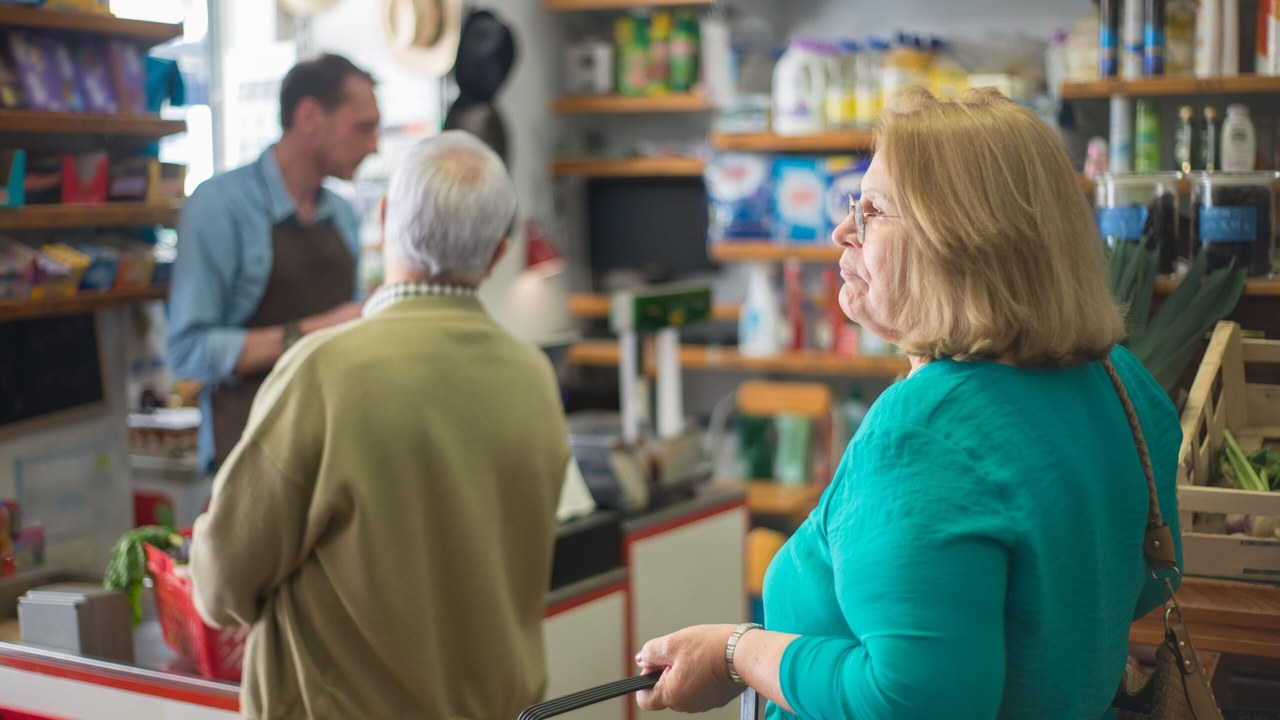
For a SNAP shopper in an affected state, the practical effect is at the register, and it is narrower than it might sound. The benefit still buys groceries — produce, meat, dairy, bread, and the wide range of staple foods SNAP has always covered. What changes is that specific excluded items, primarily sugary drinks and candy, will not ring up as SNAP-eligible. The card is declined for those items, and the shopper either drops them or pays for them another way.
The dividing lines can be less obvious than “soda and candy” suggests. Where a state draws the boundary — how it defines candy, whether certain sweetened drinks or snack items are included — determines exactly which products are affected, and those definitions vary. A shopper who assumes the whole snack aisle is off-limits may be wrong in either direction. The reliable move is to check the specifics for your state rather than guess from the general description.
What the restrictions do not change is the size of the benefit. A soda-and-candy waiver does not cut a household’s monthly SNAP amount; it only narrows the list of eligible items. A family receiving the same benefit still has the same dollars to spend on food — they simply cannot spend them on the excluded products in an affected state. That distinction matters because the restrictions have sometimes been described as a benefit cut, and they are not. The money is unchanged; the change is at the register, on which specific items ring up as SNAP-eligible.
How to find your state’s rules
Because this is a state-by-state program with shifting legal status, the authoritative source is your own state’s SNAP agency and the USDA’s waiver information, not a secondhand list. A recipient in a state with an approved, active waiver should confirm the start date and the exact items excluded through their state’s SNAP office, since both the timing and the item definitions are set at the state level.
The larger point for a SNAP household is that the benefit’s core purpose is unchanged: it still pays for groceries, and the restrictions target a specific, limited set of items in a specific set of states. But with roughly 18 states enforcing rules that a court has already narrowed once, the only way to shop without a surprise at the register is to know where your own state currently stands — and to check again if you hear the legal situation has changed.
This article was produced with AI assistance and reviewed by a human editor. Figures are linked to their primary sources; where a claim could not be verified from the public record, we say so.
More Financial Reading