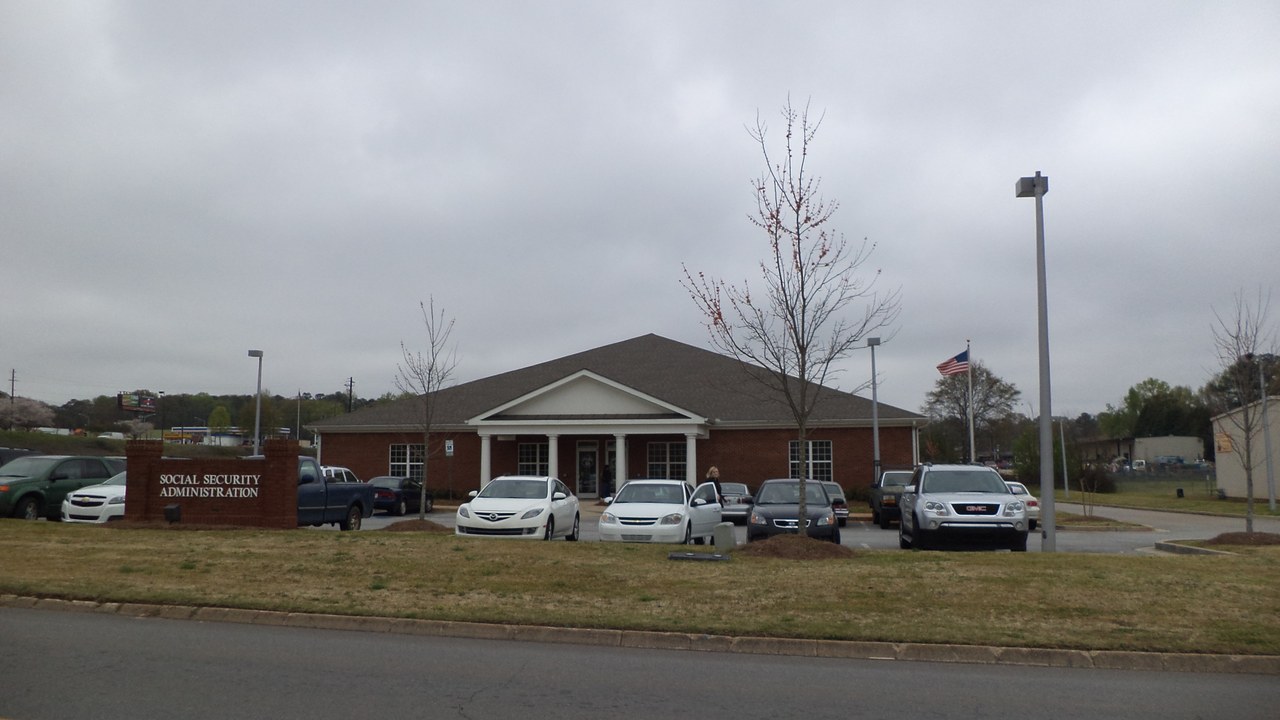
If a letter from Social Security says you were overpaid, the amount it can take back out of your next check is no longer a small slice. For overpayment notices dated on or after April 25, 2025, the agency’s default is to hold back up to half of a retirement, survivors, or disability benefit each month until the balance is cleared. That is a return to a much steeper recovery rate, and the single most important fact about it is that the clock starts the day the notice goes out.
Why the number jumped from 10% back to 50%
For a stretch under the prior administration, the standard withholding on a Title II overpayment was capped at 10% of the monthly benefit, a deliberate softening after complaints that full clawbacks were leaving retirees short on rent. That changed twice in quick succession in 2025. In a March 7, 2025 announcement, Social Security first moved to reinstate a 100% default recovery rate, then walked it back weeks later. The rate that actually took hold is spelled out in the agency’s own Emergency Message EM-25029: a default withholding of up to 50% for Title II overpayments, applied to notices issued on or after April 25, 2025.
Two details narrow who this hits. Supplemental Security Income overpayments were left at 10%, not 50%, so the steeper rate does not touch SSI. And anyone who already had an overpayment being recovered under the old rate keeps that lower rate — the 50% default applies to new notices, not to collections already underway.
Free retirement updates: A quiet rule change can shrink your Social Security or Medicare check, and no one warns you. The free Retirement Shield newsletter catches these early and tells you what to do. Get it free.
The 30-day window is what actually protects your check
The half-your-check figure is the default, not an automatic seizure — and there is a specific window that keeps it from taking effect. According to Social Security’s guidance on how to resolve an overpayment, the agency waits at least 30 days after sending the notice before it starts collecting. If you ask for an appeal or a waiver within that 30-day window, Social Security does not begin withholding until it has decided on your request. Do nothing for 30 days, and the automatic 50% deduction begins on the next payment and continues month after month until the debt is gone.
That is the practical heart of the change. The letter is not a bill you have to pay in full or absorb at half your income. It is a starting gun, and responding inside the first month is what freezes the deduction while your side of the story is reviewed.
Three responses, three different forms
There is no single “fight this” button — the response depends on what you are actually disputing. If you believe the overpayment is wrong or the amount is off, you file a request for reconsideration on Form SSA-561, and the deadline for that appeal is 60 days from when you receive the notice (Social Security assumes you received it five days after the date printed on it).
If you agree you were overpaid but the mistake was not your fault and repaying would leave you unable to cover basic expenses, you ask for a waiver on Form SSA-632. A waiver has no filing deadline — you can request it at any time — and a granted waiver can wipe the balance entirely. And if you accept that you owe the money but cannot afford to lose half your check each month, you can ask for a lower withholding rate on that same SSA-632, proposing a monthly amount your budget can actually carry.
Why moving fast matters more than being right
The reason to act inside 30 days is not that your appeal is guaranteed to succeed. It is that a timely request pauses the money leaving your account while the agency works through it, and an overpayment case can take months to resolve. A retiree who waits, then wins a waiver later, may have already lost several 50% deductions in the meantime — money that has to be refunded rather than never withheld.
When you ask for a lower rate, it helps to come with numbers. The SSA-632 asks about income and expenses, and a beneficiary who documents that a 50% deduction would leave them unable to cover rent, food, and utilities is making the case the form is built to weigh. Social Security can agree to a smaller monthly recovery — sometimes a modest amount that stretches repayment over years — rather than the default half-check, so the practical goal for many people is not to erase the debt but to shrink the monthly bite to something a fixed income can absorb.
The overpayments themselves are frequently not the beneficiary’s doing. They stem from Social Security’s own delays in processing a reported change in work, marriage, or living situation, or from the agency miscalculating a benefit and catching it later. That is precisely the situation a no-fault waiver is built for. AARP’s overview of the reinstated clawback rate underscores the same point the SSA forms do: the letter sets a deadline, and the beneficiary’s leverage is entirely in the response filed before that deadline passes.
This article was produced with AI assistance and reviewed by a human editor. Figures are linked to their primary sources; where a claim could not be verified from the public record, we say so.
More Financial Reading