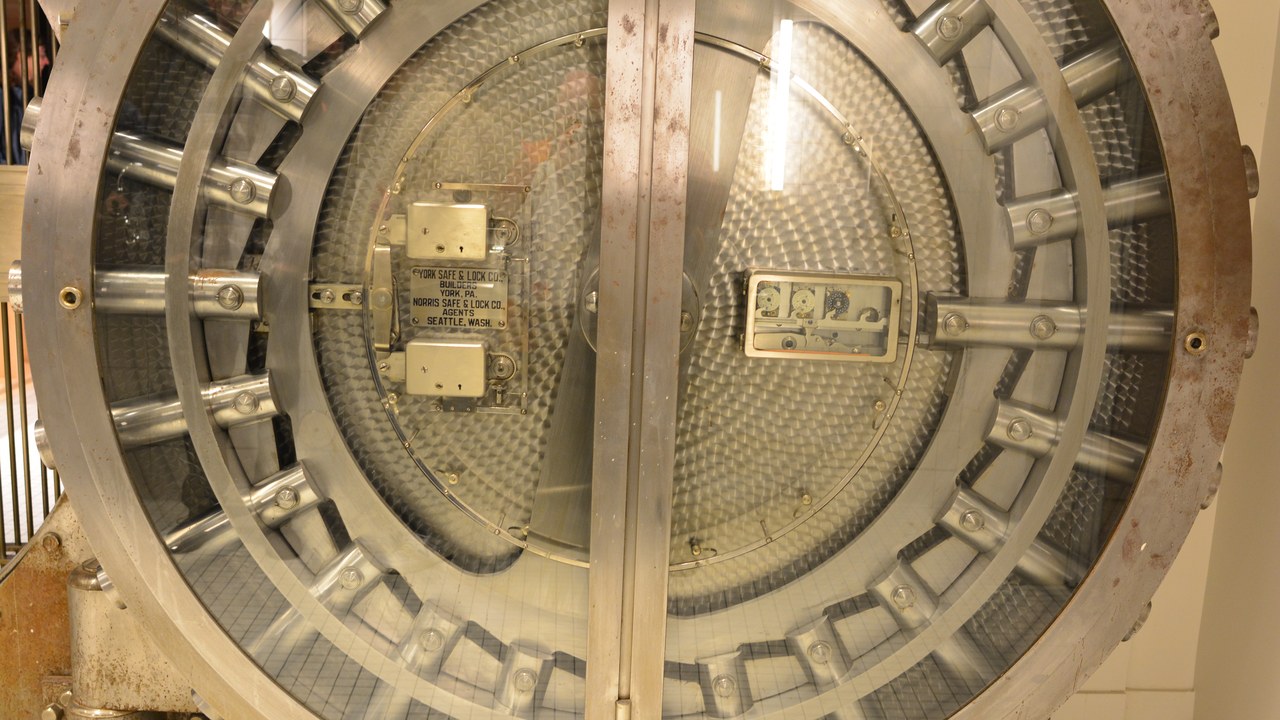
One of the strongest tools for stopping identity theft costs nothing and takes about 15 minutes to set up. A credit freeze locks down your credit reports so that no one, including a thief holding your Social Security number, can open new credit in your name. Federal law makes it free to place and to lift at all three major credit bureaus. If you are not planning to apply for new credit soon, there is little reason not to have one in place. Here is how it works.
What a credit freeze actually does
A security freeze restricts access to your credit report. When you apply for a new loan, credit card, or line of credit, the lender checks your credit file first. If that file is frozen, the lender cannot see it, so the application generally cannot be approved. That is the whole point: a criminal who has stolen your personal information cannot open a new account in your name if the lender is blocked from pulling your report. The Consumer Financial Protection Bureau explains the mechanics.
To be effective, the freeze needs to be in place at all three nationwide credit bureaus, Equifax, Experian, and TransUnion, because a lender might check any one of them. Freezing just one leaves the others open. The good news is that placing all three is quick and free.
Free retirement updates: Keep more of your Social Security and savings with plain-English updates on the changes, deadlines, and costly mistakes retirees miss. Subscribe free.
It is free, by federal law
Since a 2018 federal law, placing and lifting a credit freeze is free at all three bureaus, for you and for your children under 16. There is no cost to freeze, no cost to temporarily lift it when you want to apply for credit, and no cost to remove it entirely. The Federal Trade Commission confirms the freeze is free and outlines your rights around it. Anyone charging you a fee to freeze your credit is selling something you can do yourself for nothing.
Importantly, a freeze does not hurt your credit score, and it does not affect your existing accounts. You can keep using the credit cards and loans you already have. The freeze only blocks new credit inquiries, which is exactly the activity a thief needs.
How to set one up
You place a freeze by contacting each of the three bureaus, online, by phone, or by mail. Online is fastest. You will create an account or verify your identity, and the bureau will give you a PIN or password. Keep those credentials somewhere safe, because you will need them to lift the freeze later. Set aside time to do all three in one sitting so none gets forgotten.
When you do want to apply for a loan, a credit card, or even some cell phone or utility accounts, you temporarily lift the freeze, either for a set window or with a specific creditor, then let it refreeze. That flexibility is why a freeze is practical for everyday life rather than a one-way lock.
It is also worth freezing the reports at two lesser-known agencies that lenders sometimes use, if you want to be thorough. Innovis operates as a fourth credit bureau, and the National Consumer Telecom and Utilities Exchange, run by Equifax, is checked by many phone and utility companies before opening service. Freezing those adds a few minutes but closes gaps a thief could otherwise slip through. For most people, the three main bureaus are the priority, and these two are a reasonable extra step for anyone who has already been a victim of identity theft.
Freeze versus fraud alert
People sometimes confuse a freeze with a fraud alert, and they are not the same. A fraud alert asks lenders to take extra steps to verify your identity before opening credit, but it does not block access to your report the way a freeze does. A freeze is the stronger protection. A fraud alert is easier because you only have to contact one bureau, which then notifies the others, but it relies on lenders following through. If maximum protection is your goal, the freeze is the better choice, and you can use both. Active-duty service members have an additional option, a free active-duty alert, and anyone who has actually been a victim of identity theft can place an extended fraud alert that lasts far longer than a standard one.
A no-cost habit worth adopting
In an era of constant data breaches, a credit freeze is one of the few defenses that is both free and genuinely effective. It stops the most damaging kind of identity theft, someone opening new accounts in your name, without costing you money or credit-score points, and you can lift it anytime you need to borrow. Set aside a few minutes to freeze your reports at Equifax, Experian, and TransUnion, store your PINs safely, and you will have closed one of the widest doors thieves use.
This article was produced with AI assistance and reviewed by a human editor. Figures are linked to their primary sources; where a claim could not be verified from the public record, we say so.
More Financial Reading