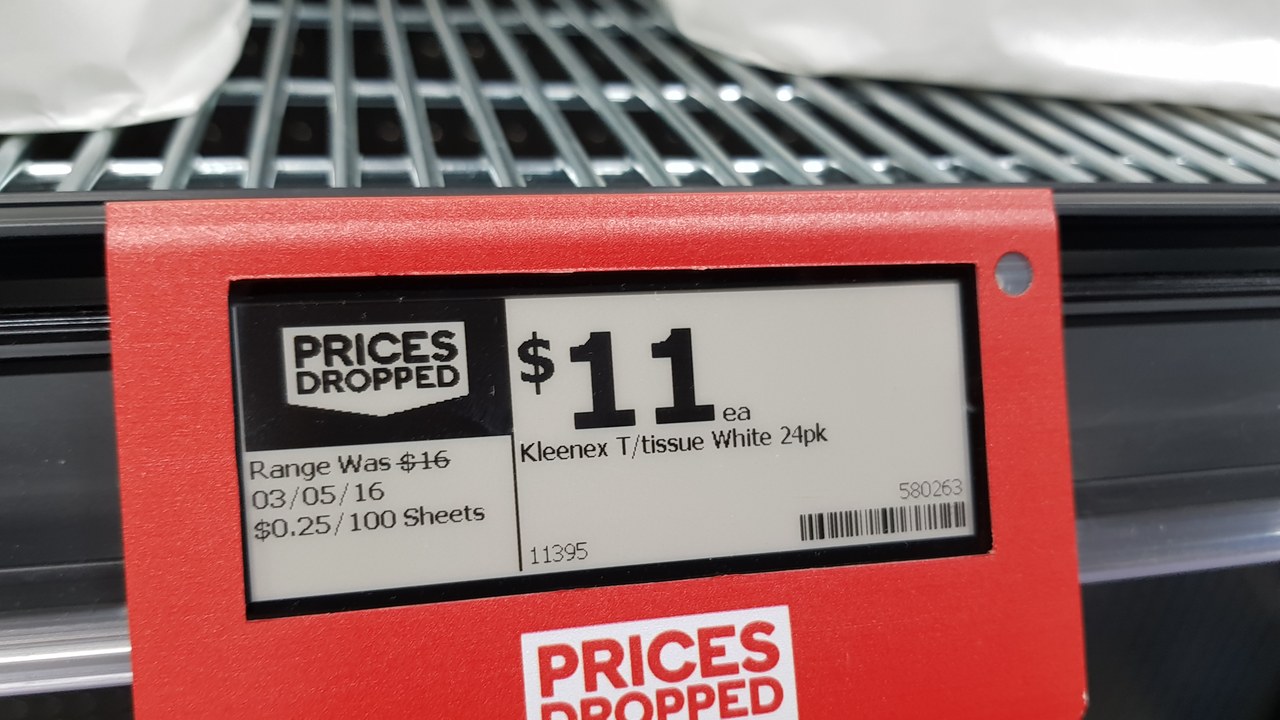
The weekly grocery run remains one of the clearest places households feel inflation, and the latest numbers show the squeeze has eased but not disappeared. Grocery prices are up 2.7% over the past year, with the produce aisle leading the way as fruits and vegetables climbed about 5%. There was some relief too, on meat, eggs, and dairy. Here is what the July inflation report says about the food on your table.
What is happening in the grocery aisle
The government tracks grocery costs in a category it calls “food at home.” That index dipped 0.1% in July but is up 2.7% over the past 12 months, according to the Bureau of Labor Statistics. A slight monthly decline is welcome, but the year-over-year figure is what shapes how a cart feels compared with last summer, and 2.7% means the same groceries cost noticeably more than they did a year ago.
Within that total, the categories are moving in different directions, which is why your own receipt may look better or worse than the average depending on what you buy. The headline 2.7% blends everything from produce to packaged goods, and the spread underneath it is wide.
Free retirement updates: Want plain-English help keeping more of your money in retirement? The free Retirement Shield newsletter covers the benefits, deadlines, and money mistakes that cost retirees, a couple times a week. Subscribe free.
Produce is the pain point
Fresh produce is where prices are climbing fastest. The fruits and vegetables index, which is dominated by fresh produce, rose 5.1% over the past 12 months, nearly double the overall grocery rate. Nonalcoholic beverages are up 4.1% over the year as well. For anyone trying to eat more fresh food on a fixed budget, that is a real headwind, because the healthiest part of the store is also one of the fastest-rising.
Produce prices can swing sharply month to month with weather and growing seasons, so individual items bounce around. In July, for example, the price of lettuce fell sharply even as the broader produce category stayed elevated over the year. That volatility is why the annual figure is a better guide to the trend than any single month.
Beverages are quietly part of the squeeze too. Coffee and other nonalcoholic drinks have been among the faster-rising grocery categories, driven in part by higher costs for imported goods, and they add up for households that buy them every week. Because these items are easy to overlook next to headline staples like eggs and milk, a shopper watching only the marquee prices may not notice how much the cart total has crept up. Scanning the full receipt now and then, rather than eyeballing a few items, gives a truer sense of where the grocery budget is actually going.
Where prices actually fell
The report was not all bad news at the checkout. The meats, poultry, fish, and eggs group fell 0.7% in July, helped by a drop in pork prices. Dairy is down 0.5% over the past year, a rare category where prices are lower than they were 12 months ago. Those declines matter for a lot of households, because meat, eggs, and dairy are staples that show up in most carts every week.
Put together, the picture is a grocery bill that is rising more slowly than it was during the worst of recent inflation, with produce still climbing but proteins and dairy giving a bit of ground. For a shopper, that suggests the savings are increasingly in the meat case and dairy section rather than the produce aisle.
How to blunt the produce increase
When fresh produce leads inflation, a few habits help. Buying fruits and vegetables that are in season tends to be cheaper, since out-of-season produce carries higher shipping and storage costs. Frozen and canned vegetables, which the government tracks separately from fresh, are often less expensive and just as nutritious, and they do not spoil, which cuts waste. Store brands usually cost less than name brands for comparable quality, and planning meals around what is on sale keeps the produce line from ballooning.
None of these moves change the national inflation rate, but they can meaningfully shrink your own grocery bill against it, which is the number that actually lands in your budget. For households on a very tight budget, it is also worth checking eligibility for food assistance programs, since the same rising produce prices that strain a paycheck also stretch a benefit, and many older adults who qualify for help never sign up.
The takeaway for your budget
Grocery inflation at 2.7% over the year is milder than the double-digit food increases of a couple of years ago, but it is still a steady drag, and the produce aisle is doing most of the damage at about 5%. The offsets, cheaper meat, eggs, and dairy, are worth leaning into. Watching where prices are actually rising, and adjusting what lands in the cart, is the most direct way to keep the family food budget in check while the broader numbers slowly settle.
This article was produced with AI assistance and reviewed by a human editor. Figures are linked to their primary sources; where a claim could not be verified from the public record, we say so.
More Financial Reading