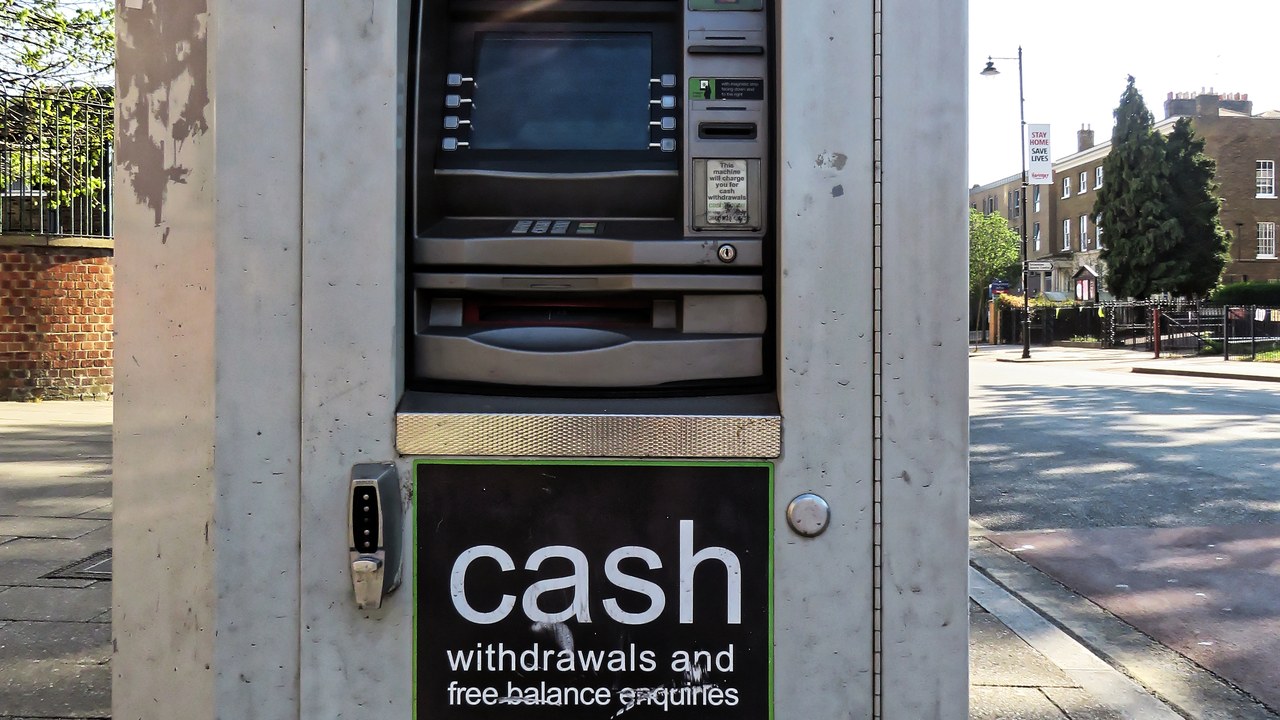
Deposit a check and your bank may put a hold on it for a few days before you can touch the full amount. What many people do not realize is that federal rules force the bank to hand over at least the first $275 by the next business day. Knowing that number can be the difference between paying a bill on time and getting hit with an overdraft fee while you wait for a check to clear. Here is the rule and how to use it.
The next-day availability rule
Under a federal regulation known as Regulation CC, which carries out the Expedited Funds Availability Act, banks and credit unions must make at least the first $275 of most check deposits available for withdrawal by the next business day. The Federal Reserve sets and periodically updates that threshold. It rose to $275 from the previous $225 on July 1, 2025, part of an inflation adjustment the Fed makes to keep the figure current.
That $275 is a floor, not a ceiling. Many banks make more, or all, of a routine check available faster than the law requires, especially for established customers. But the $275 is the minimum you are entitled to by the next business day, and it applies even when the bank places a longer hold on the rest of the deposit.
Free retirement updates: Miss an enrollment or claim deadline and it may be gone. Our free Retirement Shield newsletter keeps readers ahead of the ones that matter. Get the free newsletter.
Why “business day” matters
The timing hinges on what counts as a business day, and it is not the same as a calendar day. Business days are generally weekdays that are not federal holidays. Deposits also have a cutoff time, often in the afternoon; anything deposited after that cutoff, or on a weekend or holiday, is treated as received the next business day. So a check dropped in on a Friday evening may not start its clock until Monday, with the first $275 available Tuesday.
This is why a deposit that feels instant on your phone can still leave funds unavailable for a day or two. Understanding the cutoff at your own bank lets you time deposits so the money is there when you need it.
When a bank can hold more than usual
There are situations where a bank may legally hold funds longer, and knowing them prevents nasty surprises. Larger deposits are one: for the amount above a higher threshold, currently $6,725, a bank can apply an extended hold. New accounts, typically those open less than 30 days, get less generous availability while the bank establishes a relationship. Banks can also extend holds on checks they have reason to believe may not be paid, on accounts that have been repeatedly overdrawn, or after certain emergencies.
When a bank does place a hold beyond next-day availability, it is generally required to tell you and to say when the funds will be released. If you deposit a check and are not sure when you can use it, ask the teller or check the deposit receipt for the availability date rather than assuming.
How to use the rule to avoid an overdraft
The practical payoff is fee avoidance. If you deposit a check and then spend against it before it clears, you can overdraw the account and trigger a fee, even though the money is technically “in” the account. Knowing that only $275 is guaranteed by the next business day helps you avoid scheduling a large automatic payment for the day after a deposit, when the rest of the check may still be on hold.
A safe habit is to wait until a deposited check has fully cleared before spending more than the guaranteed amount, especially for a big check from an unfamiliar source. If cash flow is tight, ask your bank exactly when each portion of a deposit will be available, and build your bill payments around that date.
The rule also guards against a particular scam that targets people expecting money. In fake-check schemes, a fraudster sends you a check, tells you to deposit it, and pressures you to wire back part of the money right away. The deposited funds may appear in your balance within a day or two, but the check itself can bounce weeks later, at which point the bank pulls the money back and you are on the hook for whatever you already sent. Understanding that “available” does not mean “cleared” is exactly what keeps a next-day deposit from turning into a loss.
A small number with real value
Regulation CC is not glamorous, but $275 of guaranteed next-day access is a genuine consumer protection that a lot of people never learn about. It exists so a deposited check does not leave you stranded, and it updates over time so the figure keeps pace with prices. Remember the $275 floor, mind your bank’s cutoff time, and confirm the availability date on larger deposits, and you can keep a routine check from turning into an overdraft fee.
This article was produced with AI assistance and reviewed by a human editor. Figures are linked to their primary sources; where a claim could not be verified from the public record, we say so.
More Financial Reading