Most people think of home energy assistance as a winter program, something to help with the heating bill when it gets cold. But the same federal program helps with summer cooling too, and in many states the door is still open. If a hot-weather electric bill is stretching your budget, there may be a one-time credit waiting for you.
How LIHEAP helps with summer cooling
The Low Income Home Energy Assistance Program, usually shortened to LIHEAP, is a federal block grant run by the Department of Health and Human Services and administered by each state. As the Administration for Children and Families explains, it covers summer cooling as well as winter heating. That means the money can go toward an electric bill run up by air conditioning during the hottest months, not just a furnace in January. Because it is the same pot of money, the program that helps you cool your home this summer is the one that will help heat it later in the year.
The help usually comes as a one-time credit toward your electric bill, and in most states the benefit is paid straight to the utility company on your behalf and applied to your account. You do not typically get a check to spend yourself, the credit simply lowers what you owe the power company, which keeps the lights and the air conditioner on.
Free retirement updates: Social Security and Medicare change every year, and nobody sends you a memo. Our free Retirement Shield newsletter breaks down what changed and what to do. Get it free in your inbox.
Who generally qualifies for the cooling benefit
Eligibility is based on income, and the common benchmark is a household at or below 150% of the federal poverty line. Because LIHEAP is administered by each state, states run their own versions of the program and set their own limits, so some allow higher incomes to qualify. Some states also automatically qualify households that are already enrolled in programs like SNAP, the food-assistance program, or SSI, the Supplemental Security Income program for older and disabled people with limited resources. The only way to know for certain is to check the rules where you live rather than assume you earn too much.
Priority often goes to households with the greatest need, which can include older adults, people with disabilities, and families with young children, since extreme heat is most dangerous for them. If any of that describes your household, it is worth applying even if you are unsure whether your income fits, because the income ceilings vary more than people expect.
More than a bill credit: AC units and crisis help
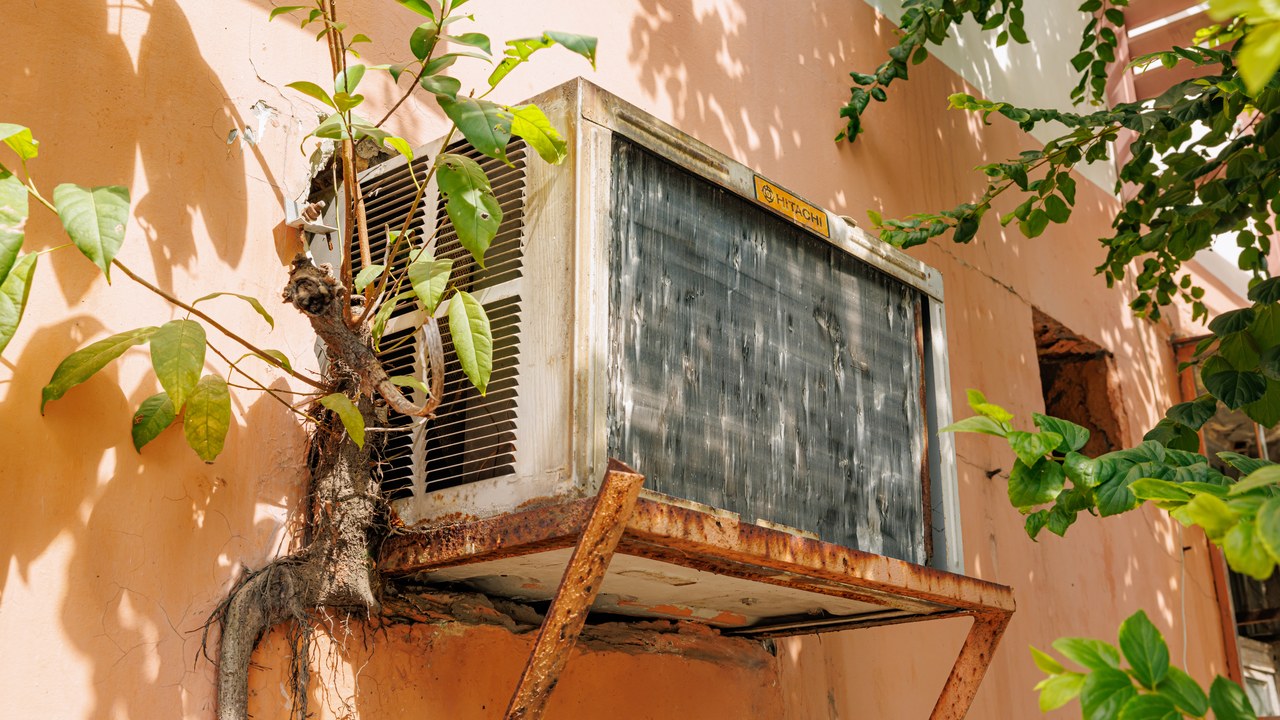
The program can do more than shave a bill. Many states use LIHEAP dollars to help households buy or repair an air-conditioning unit or a fan, which is a lifeline if your only AC has broken down in the middle of a heat wave. That kind of one-time equipment help can matter far more than a credit for a family with no working way to cool the home.
There is also crisis assistance in many states for the worst-case moments. If your power has already been shut off, or you have received a notice that it is about to be, you may qualify for emergency help to restore or protect your service. If you are staring at a disconnection notice, do not wait, that is exactly the situation the crisis component is built for.
Where to apply and why timing matters
You apply through your state LIHEAP office or your local Community Action Agency, not through a national hotline. These local offices handle the applications, verify income, and coordinate the payment with your utility. Searching for your state’s LIHEAP program or your county’s Community Action Agency is usually the fastest way to find the right door.
Timing is the catch. Summer cooling help is generally handed out first come, first served, and the funds are limited. That means the money can run out before the season ends, even for people who clearly qualify. Applying early in the season, rather than waiting until August or a heat emergency, gives you the best shot at getting help before the pot is empty.
Getting your paperwork ready before you apply
You can speed things up by gathering your documents before you start. Most offices ask for proof of income for everyone in the household, a recent electric bill, and identification, though the exact list varies by state. Having those in hand when you apply avoids the back-and-forth that can delay a decision while funds are still running out elsewhere.
It also helps to keep your utility informed. Some power companies have their own hardship programs, payment plans, or protections against summer shutoffs, and those can work alongside LIHEAP rather than instead of it. Stacking whatever help is available is how many households get through a brutal cooling season without falling behind. The core message is simple: summer energy help is real, it is still open in many places, and the households that apply early are the ones most likely to get it.
How the SNAP and SSI shortcut can speed things up
If your household already receives SNAP or SSI, mention it the moment you apply, because in a number of states that enrollment is treated as automatic proof that you meet the income test. This is sometimes called categorical eligibility, and it can spare you from assembling and submitting the full stack of income documents a first-time applicant would need.
Even where it does not fully skip the income check, being on those programs usually flags your application as high priority. Given that LIHEAP funds are limited and awarded first-come, first-served, anything that moves your paperwork through faster is worth using. Ask your state LIHEAP office or Community Action Agency directly whether your existing benefits qualify you on a fast track before you spend days chasing documents you may not need.
This article was produced with AI assistance and reviewed by a human editor. Figures are linked to their primary sources; where a claim could not be verified from the public record, we say so.
More Financial Reading