
The contractor kept your $2,000 deposit and stopped answering the phone. The retailer promised a refund three months ago and keeps “escalating your case.” At some point the polite options run out — and most people assume the next step, hiring a lawyer, costs more than the money they’re owed. Usually they’re right. That’s exactly the situation small claims court was built for.

Small claims is a real court with a simplified process: low filing fees, no lawyers arguing (in some states they’re barred from the courtroom entirely), plain-language forms, and a hearing measured in minutes, not days. If a person, business, or even a government agency owes you money and won’t pay, you can bring the case yourself. Here’s how it works, what it costs, and how to decide whether your bad refund is worth the trip.
What small claims court is, in one paragraph
Every state runs some version of it, usually inside the regular trial courts. California’s is typical of the design: according to the state courts’ official self-help guide, an individual can sue for up to $12,500 (a business can sue for up to $6,250), the filing fee runs $30 to $100, and you typically get a court date within one to two months. You can consult a lawyer beforehand, but you can’t have one represent you in the courtroom — both sides show up as themselves. Dollar limits vary a lot by state, from a few thousand dollars to $20,000 or more, so check your own state court’s website before assuming your claim fits.
Step zero: ask for the money in writing
Before any court gets involved, send a demand letter — a short, dated letter (email works, paper is better) saying what happened, what you’re owed, and that you’ll file in small claims court if you’re not paid by a specific date. Many states require you to have asked for the money before you file, and California’s step-by-step process guide builds it in as the first move.
Demand letters work more often than you’d expect, because businesses know what comes next: someone has to show up to court to answer, and losing creates a public judgment. Keep the letter factual and boring. Attach copies (never originals) of the receipt, contract, or refund promise. The Federal Trade Commission’s guide to solving consumer problems covers this escalation ladder — complain to the company, dispute with your card issuer if you paid by credit card, then consider small claims.
Filing: cheaper and faster than you think
To start the case you fill out a short claim form — who you’re suing, for how much, and why — and file it with the court, generally in the county where the person or business is located or where the deal happened. Naming the defendant correctly matters more than anything else on the form: sue the actual legal entity (“Acme Home Services LLC”), not the sign on the truck. Your state’s business registry can tell you the legal name and registered agent.
Then the defendant has to be served — formally notified — which you can’t do yourself; a sheriff, process server, or another adult handles it for a small fee. If the fees are a hardship, courts have fee waivers; California’s guide shows how to ask. Filing and service costs are usually added to what the loser owes you if you win.
The hearing: evidence beats eloquence
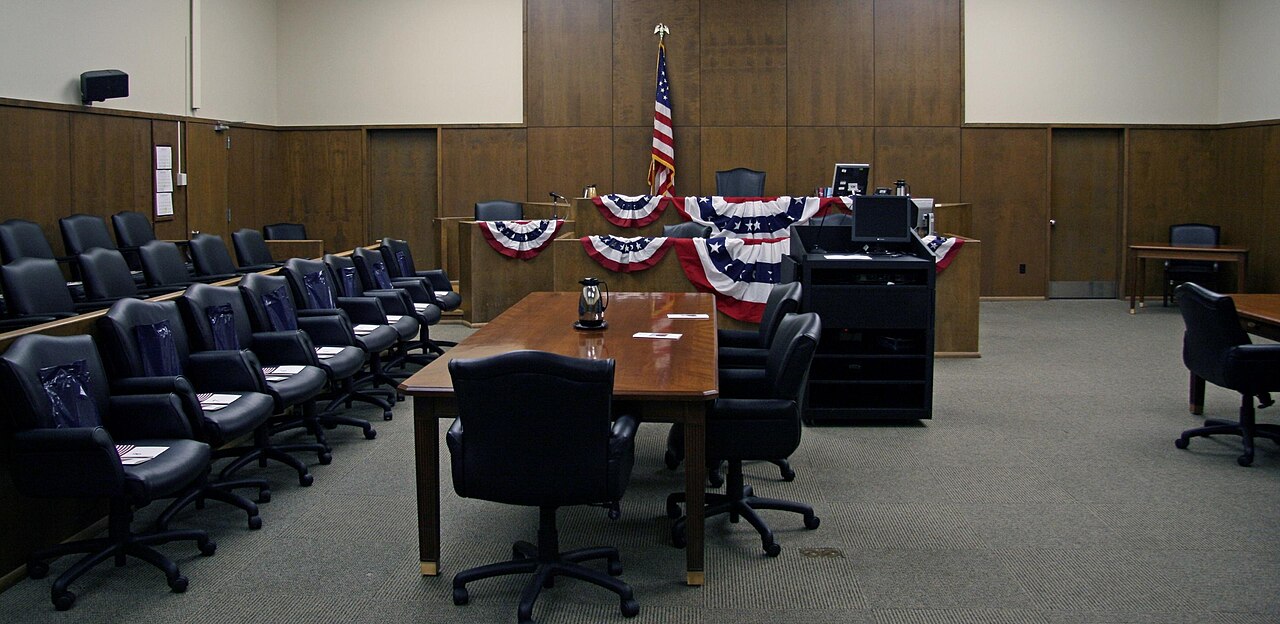
A small claims hearing is short and practical. The judge has read a one-page claim, not your whole saga, so bring the paper trail organized in date order: the contract or ad, proof of payment, the refund promise, your demand letter, photos if the work was botched, and a one-page timeline. Three copies of everything — one for you, one for the judge, one for the other side.
When it’s your turn, lead with the ask, not the story: “They owe me $2,000 for a deposit on work that was never started. Here’s the contract, here’s the payment, here’s where they promised the refund.” Judges in these courtrooms ask questions; answer only what’s asked. You don’t need legal vocabulary. You need documents.
Winning is half the job: collecting
Here’s the part the TV shows skip: if you win, the court gives you a judgment — a piece of paper saying you’re owed the money. It does not hand you a check. As California’s guide puts it bluntly, you have to collect the money yourself if you win. Many defendants simply pay at that point. When they don’t, courts provide collection tools — garnishing wages, levying bank accounts, liens — each with its own form and small fee, and the after-trial guide walks through them.
This is why the smart pre-filing question isn’t just “am I right?” but “can they pay?” A judgment against a dissolved LLC with no assets is a certificate of moral victory. Against an operating business with a storefront and a bank account, it’s usually money.
Is your case worth it? A quick gut check
Small claims makes sense when the amount is real to you but too small for a lawyer, when you have the dispute in writing, and when the defendant is findable and solvent. It’s the wrong tool when the company is bankrupt, out of state with no local presence, or when your contract requires arbitration (read the fine print — though some companies waive that rather than show up). And know one asymmetry going in: in California, a plaintiff who loses generally can’t appeal, while a defendant can. You get one clean shot — so send the demand letter, build the folder, and take it.
This article was produced with AI assistance and reviewed by a human editor. Figures are linked to their primary sources; where a claim could not be verified from the public record, we say so.