Open your medicine cabinet and count the prescription bottles. Now ask an uncomfortable question: if one of those drugs had been recalled last month, would you know? For most people the honest answer is no. Recalls of blood pressure pills, thyroid medication, eye drops, and over-the-counter staples happen routinely, and unless your pharmacy calls you, the news can slide right past.
The good news is that the Food and Drug Administration publishes every recall it monitors, in public, searchable form, and checking your own medications takes about ten minutes. Here is how the system works, what the recall “classes” actually mean, and the exact steps to check your bottles tonight, plus the one mistake that hurts people more than most recalls do.
How a drug recall actually happens
Most recalls are voluntary: a manufacturer discovers a problem, contamination, a labeling mix-up, pills that are stronger or weaker than the label says, and pulls the product, with FDA overseeing the process and evaluating the health risk. The agency’s central hub for all of this is its recalls, market withdrawals and safety alerts page, and every recall the agency monitors ends up in its weekly Enforcement Report, a searchable database you can filter by product type, company, date, and keywords.
A recall is almost never “every bottle of this drug everywhere.” It is specific lots, specific strengths, specific package sizes, made in specific time windows. That is why the lot number printed on your bottle or its packaging matters so much; it is the difference between “my medication was recalled” and “a version of my medication I do not own was recalled.”
What Class I, II, and III really mean
FDA sorts recalls into three classes by risk, defined in its enforcement report definitions. Class I is the serious one: a reasonable probability that using the product will cause serious harm or death. Think contaminated injectables or a powerful drug in the wrong bottle. Class II, the most common, covers products that may cause temporary or reversible problems, or where serious harm is unlikely but possible, such as pills that are somewhat under-strength. Class III means using the product is not likely to cause harm at all; the violation is more technical, like a labeling defect.
The class tells you how urgently to act. A Class I recall on a drug you take is a call-your-pharmacy-today situation. A Class III is usually a paperwork problem being cleaned up upstream.
How to check your prescriptions tonight
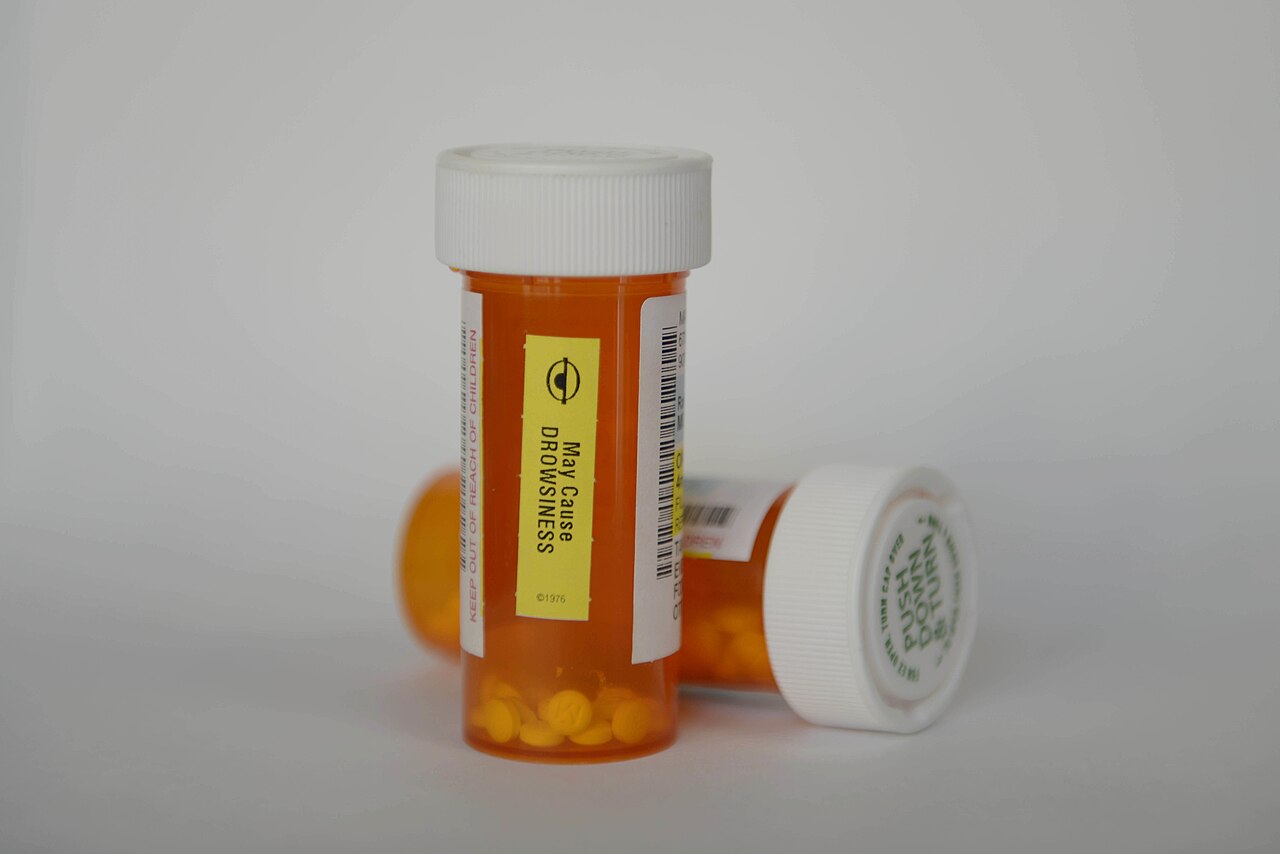
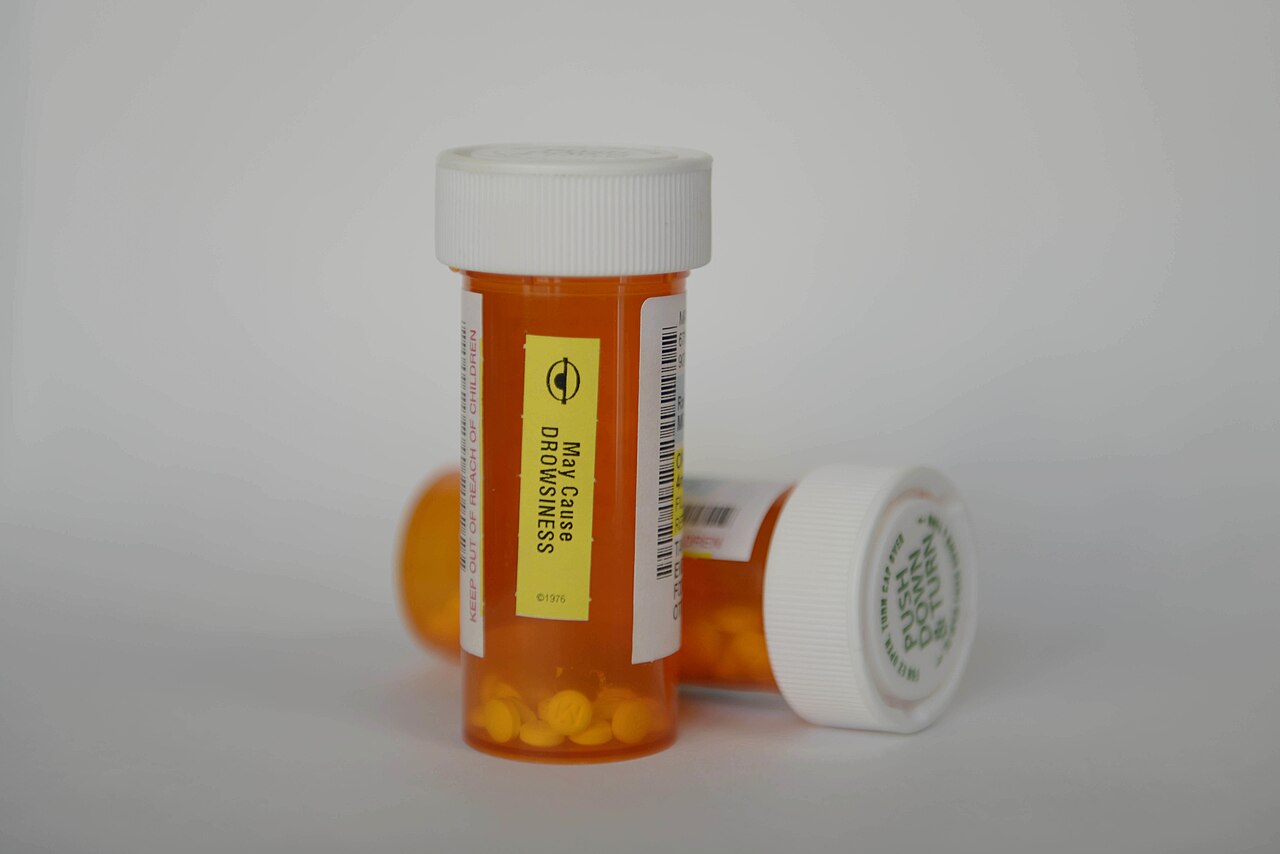
Step one: line up your bottles and note three things for each: the drug name (brand and generic), the manufacturer if listed, and the lot number, usually stamped on the label or the packaging.
Step two: search the FDA’s drug recalls list, which shows recent recalls in plain language, and the Enforcement Report database for each drug name. If a recall comes up, compare lot numbers before you worry; if your lot is not listed, your bottle is not part of the recall.
Step three: for anything ambiguous, call your pharmacy with the drug name and lot number. Pharmacies receive recall notices directly and can tell you in a minute whether the bottle they dispensed to you is affected, and they will usually handle replacement if it is.
The mistake that hurts people: stopping cold
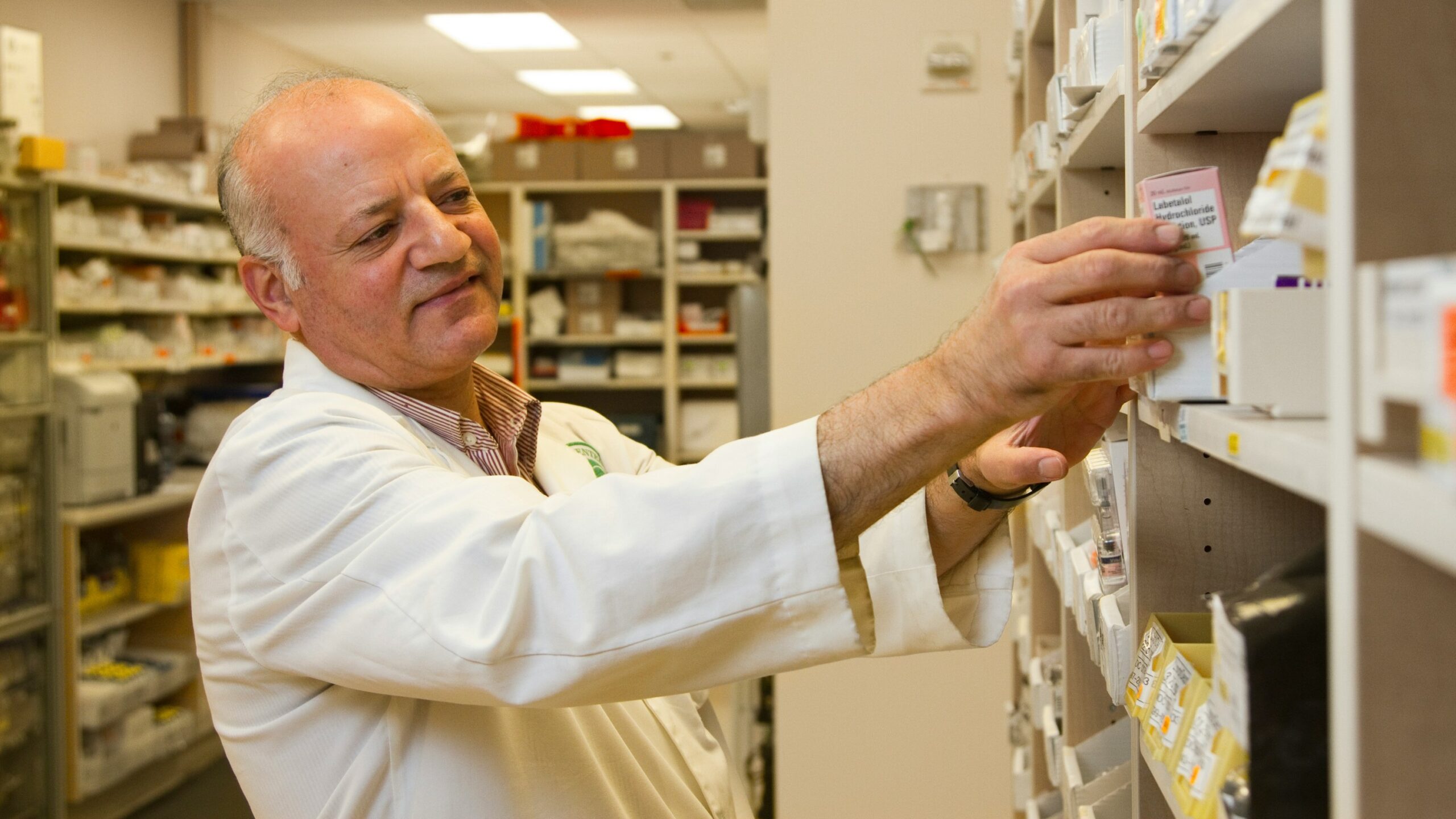
Here is the part that matters more than any database. If you discover that a medication you depend on, blood pressure medicine, a blood thinner, thyroid or seizure medication, appears in a recall, do not just stop taking it. For many chronic medications, abruptly stopping is more dangerous than the defect that triggered the recall, especially for lower-risk Class II issues. The right move is to call your pharmacist or prescriber the same day, confirm whether your lot is affected, and get a replacement lot or an alternative before you change anything. FDA’s recall notices for these drugs routinely carry exactly that warning.
Set it and forget it: alerts
You do not have to remember to check. FDA offers email subscriptions for recalls and safety alerts, including the Enforcement Report’s notification service, which can send you new recalls in the categories you choose, drugs only, for instance. Sign up once on the Enforcement Reports page, and future recalls come to you instead of the other way around. If you or a family member takes more than a couple of prescriptions, this is one of the highest-value free subscriptions on the internet.
If a drug hurt you, tell the FDA
Recalls start with reports, and patients are part of that pipeline. If you believe a medication caused a side effect, or you notice something wrong with a product, pills that look different, an odd smell, packaging errors, report it through MedWatch, the FDA’s safety reporting program. Individual reports like these are frequently the first signal that leads to the recalls everyone else gets warned about.
Ten minutes tonight, one free email subscription, and a rule of thumb, never stop a critical medication without a phone call first, and you have done more about drug-recall risk than most households ever do.
This article was produced with AI assistance and reviewed by a human editor. Figures are linked to their primary sources; where a claim could not be verified from the public record, we say so.