There is a federal program that will send a trained crew to your house, find where your heating and cooling dollars are leaking out, and fix it — new insulation, sealed ducts, a tuned-up or even replaced furnace — at no charge to you. It has been running for decades, it operates in every state, and most people who qualify have never heard of it.
It’s the Weatherization Assistance Program (WAP), run by the U.S. Department of Energy through state offices and local agencies. Unlike a discount or a payment plan, this one attacks the bill itself: the house uses less energy after the crew leaves, so the savings repeat every month, forever. With summer cooling season starting, here’s how it works and how to get in line.
What the program actually is
WAP was created in 1976 and has grown into the nation’s largest residential energy-efficiency program, funded by DOE and delivered on the ground by a network of state offices and local community-action agencies. According to DOE’s program overview, households that receive weatherization save on average $372 or more per year on energy bills, based on a national evaluation of the program.
That figure is an average across climates and house conditions — a drafty older home with no attic insulation can save more; a newer, tighter home less. The point is the structure of the benefit: it’s not a one-time credit, it’s a permanent reduction in what the house consumes.
Who qualifies
Eligibility is based on income. Under DOE guidelines, your household is eligible if its income is at or below 200% of the federal poverty guidelines — and you’re automatically income-eligible if you receive Supplemental Security Income. States administer the program and some use alternative income measures allowed under the rules, so the exact cutoff where you live may differ slightly; your state agency’s application will say.
Two other things worth knowing. Many states give priority to seniors, households with a member who has a disability, families with children, and homes with the highest energy burdens — so being in one of those groups can move you up the waiting list. And renters are not shut out: tenants can be weatherized too, though the building owner’s permission is generally required, and rules protect tenants from having the improvements used to justify a rent hike.
What the crew actually does

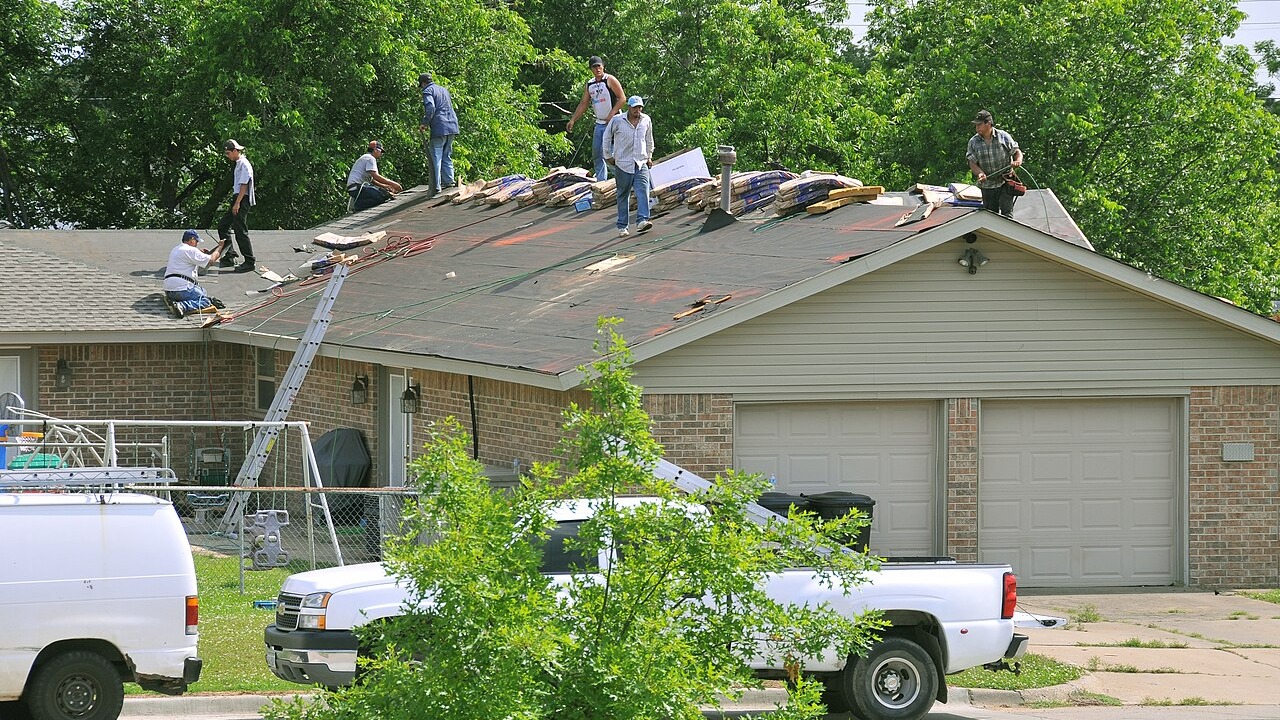
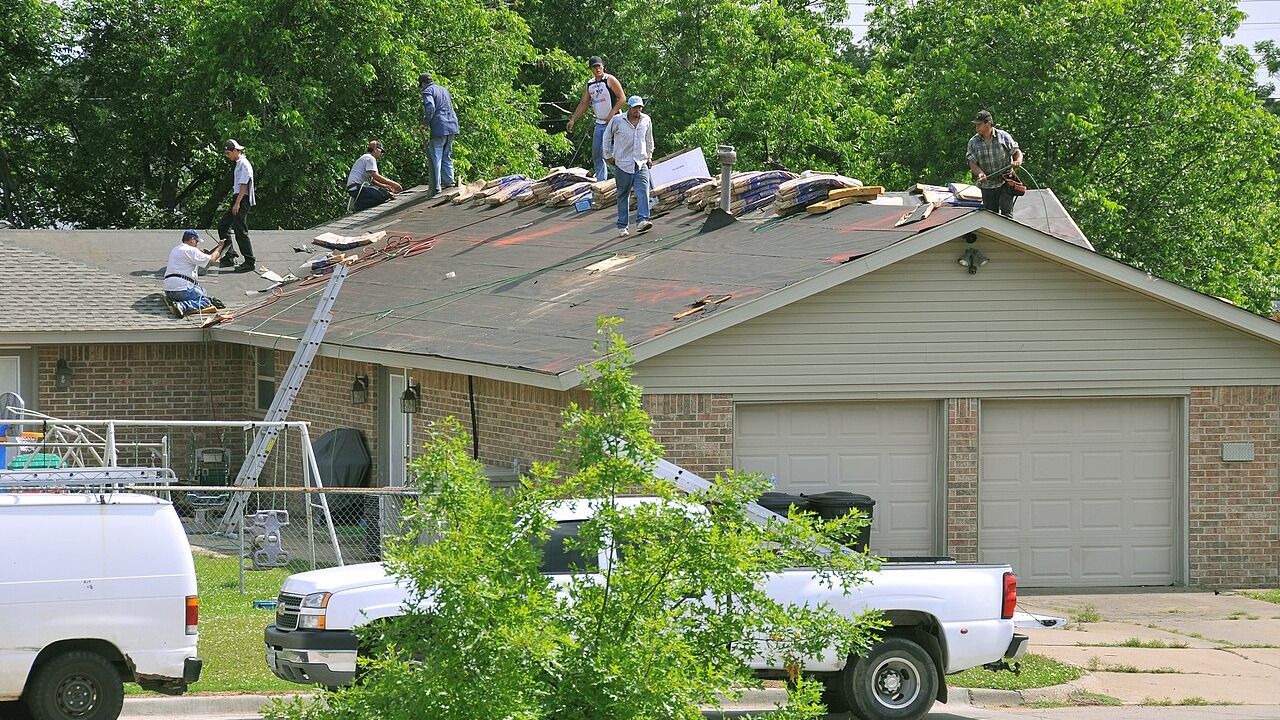
This is not a caulk gun and a pamphlet. Per DOE’s description of the process, weatherization crews are professionally trained and start with a computerized energy audit — including diagnostic equipment like blower-door tests — to build a full picture of where the home wastes energy. Then they do the work the audit says pays off most, which commonly includes:
• Air sealing around windows, doors, and the hidden gaps that matter more (attic penetrations, rim joists)
• Installing attic and wall insulation where it’s missing or thin
• Cleaning, tuning, repairing, or replacing heating and cooling systems
• Sealing and insulating ductwork and heating pipes
• Water-heater work: tank insulation, pipe insulation, repair or replacement
• Minor roof and wall repairs needed before insulation can go in
Crews also do health-and-safety checks as part of the visit — combustion safety on furnaces and water heaters is a standard part of the job, which for an older home can be as valuable as the energy work itself.
How to apply
Applications don’t go to Washington; they go to your state’s weatherization office or, more often, the local agency it designates. DOE’s How to Apply page has the state-by-state directory. Expect to provide proof of household income for the recent past (pay stubs, benefit statements, or a tax return), and be ready to answer basic questions about the home and your utility bills.
Then comes the honest caveat: there is usually a waiting list. Funding arrives in annual cycles and local agencies work through applicants in priority order. That’s a reason to apply sooner, not a reason to skip it — households that never apply never come off the list.
Pair it with help on the bill itself
Weatherization fixes next year’s bills; it doesn’t pay this month’s. The companion program for that is the Low Income Home Energy Assistance Program (LIHEAP), run by the Department of Health and Human Services, which helps eligible households pay heating and cooling bills and handle energy crises like a shutoff notice. Details and state contacts are at acf.hhs.gov. Many families qualify for both, and the local agency that handles one application can often start the other.
The bottom line
If your income is in range and your home leaks heat in winter and cool air in summer, WAP is one of the few programs that permanently shrinks a bill instead of postponing it. The application costs nothing, the work costs nothing, and the average household comes out hundreds of dollars ahead every year after the crew drives away. Find your state’s application page, get on the list, and let the audit tell you what your house has been wasting.
This article was produced with AI assistance and reviewed by a human editor. Figures are linked to their primary sources; where a claim could not be verified from the public record, we say so.