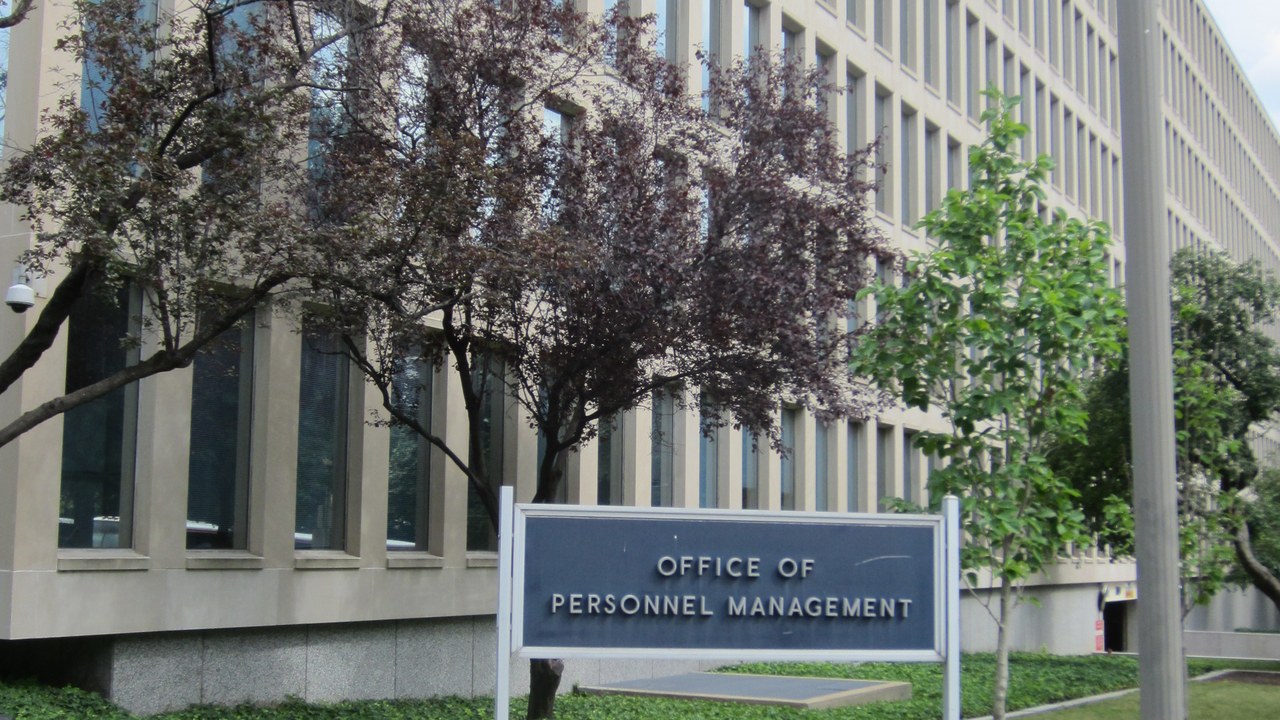
More than 100 employees of an Idaho Falls engineering and research company asked to be excused from a mandatory COVID-19 vaccine policy. Some asked on the basis of a sincerely held religious belief. Others asked on the basis of a disability. The Equal Employment Opportunity Commission found reasonable cause to believe those requests were unlawfully denied, and Battelle Energy Alliance has agreed to resolve the resulting charges for $5 million and other relief.
The accommodation request is a legal step, not a favor
An accommodation request is the formal moment when workplace rules stop being automatic. Once an employee tells an employer that a policy conflicts with a sincerely held religious belief or with a disability, the employer owes an individualized look at whether an adjustment is workable. The answer can lawfully be no. What the law does not permit is skipping the analysis.
Two statutes create the duty. Title VII of the Civil Rights Act of 1964 covers religious accommodation and religious discrimination, and the Americans with Disabilities Act covers disability-related accommodation. Under both, denial of an accommodation is unlawful absent undue hardship to the employer.
EEOC Chair Andrea Lucas framed the standard in the agency’s announcement: “Let me be clear: there was no pandemic exception to workers’ civil rights and liberties. Absent undue hardship, employers are required to provide reasonable accommodation for sincerely held religious beliefs and qualifying disabilities.”
Free retirement updates: Main Street money decisions get easier when the numbers are explained without jargon. The free Retirement Shield newsletter delivers that help in a short email. Sign up free.
What the systemic investigation found at the Idaho Falls facilities
The EEOC received multiple charges alleging that Battelle Energy Alliance denied religious and disability accommodations under its vaccine mandate policy. Its systemic investigation, according to the agency’s July 20 announcement, found reasonable cause to believe the company discriminated against a class of more than 100 employees.
Three categories of conduct appear in that finding: unlawful medical inquiries, denial of accommodations, and in some cases termination. The medical inquiry piece is easy to overlook and matters beyond this employer. Questioning an employee about a medical condition is itself regulated conduct under the ADA, separate from whatever decision the employer eventually reaches on the request.
The resolution covers a 2021 commissioner’s charge filed by Lucas along with 15 individual charges filed by employees who worked at the company’s Idaho Falls facilities. A commissioner’s charge is initiated by the agency itself rather than by a worker, which is how a pattern involving a class of more than 100 people came under review without 100 separate complaints.
Findings, not a verdict: what conciliation actually resolves
The legal posture here is narrower than a headline number suggests, and the distinction is worth holding onto. This was resolved through pre-litigation conciliation, the negotiation stage that follows an EEOC cause finding. No court weighed the evidence and no judge entered a liability finding.
The EEOC states that the company chose to voluntarily resolve the matter without admission of guilt, to avoid an extended dispute. Everything in the agency’s account of the conduct is therefore a finding of reasonable cause, which is the agency’s own conclusion that the law was probably violated, rather than an adjudicated fact.
That is a real limit on what the case proves. It is not a limit on what it costs, and for a worker deciding whether an accommodation denial is worth pursuing, the cause finding is the step that carries the leverage.
Conciliation is also faster and cheaper than litigation for both sides, which is one reason cause findings frequently end at this stage rather than in a courtroom. For the affected workers, the effect is that money moves without years of discovery, motions and appeals. For the employer, the trade is a public agency finding and a fixed set of obligations in exchange for closing the matter without a liability judgment.
Three years of back pay, damages and mandatory HR training
The agreement runs for three years. It requires the company to provide back pay and compensatory damages to the aggrieved individuals, and it requires training of human resources personnel on religious and disability-related accommodation request policies.
Back pay and compensatory damages are two different currencies inside that $5 million. Back pay restores wages lost between an adverse action and the resolution, a stretch that can run years when the underlying policy dates to 2021. Compensatory damages address harm beyond the paycheck. The agency did not publish a per-person breakdown, and across a class of more than 100 people the individual figures will track what each person actually lost.
That training term is the part most likely to change day-to-day behavior. The failure the investigation describes was procedural as much as substantive: requests were denied, and medical questions were asked, without the individualized process the statutes require. Money compensates the workers already harmed; the training obligation targets the next request that comes through the door.
The filing clock runs from the adverse action
Workers watching this case with a similar denial of their own should note the timing rule, because it is unforgiving. The deadline to file a charge with the EEOC is measured from the date of the discriminatory act, such as the day an accommodation was denied or a termination took effect, not from the date another employer’s settlement is announced. A $5 million agreement at one company does nothing to revive a lapsed deadline at another.
The agency’s guidance on filing a charge of discrimination sets out the time limits and the intake process, and the deadlines are short enough that waiting for the outcome of someone else’s matter is itself a risk. In this case the underlying commissioner’s charge dates to 2021 and the agreement announced on July 20, 2026 resolves it five years later, covering more than 100 workers for $5 million.
This article was produced with AI assistance and reviewed by a human editor. Figures are linked to their primary sources; where a claim could not be verified from the public record, we say so.
More Financial Reading