A Georgia publisher that mailed “free no-risk preview” book offers to seniors has agreed to refund New Yorkers who paid for the trial books. New York Attorney General Letitia James announced the settlement with Frank W. Cawood & Associates, known as FC&A, on Oct. 28. A typical bill came to $49.68, and anyone who thinks they qualify has until April 23, 2027 to ask.
The settlement, a legal document called an Assurance of Discontinuance, took effect Oct. 23. FC&A must end its free trial program in New York, pay a $23,500 civil penalty and return 100 percent of what eligible customers paid, including shipping and late fees.
How a “free” book became a $49.68 bill
FC&A sells self-help books for seniors, with five hardcover titles, including “Simple Home Remedies for Seniors.” Each copy costs $36. The attorney general’s release says the mailers carried “free trial” and “no risk” in large, bold print while the payment terms sat in much smaller type on the return card.
A free gift booklet came with the trial book, and the attorney general’s office says that often led people to believe the book itself was free. The order form also arrived with the trial box already checked. The envelope promised a 21-day free trial, and the certificate described “four easy payments of $9, plus shipping.”
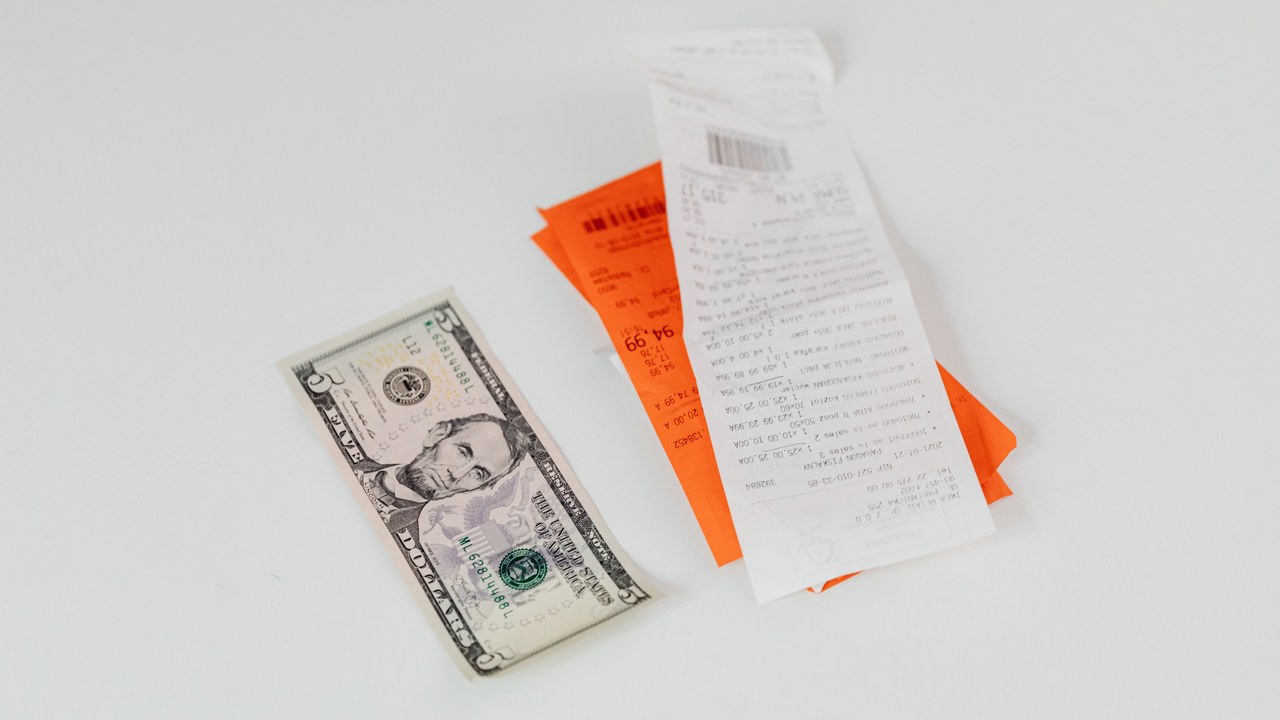
Anyone who kept the book, or simply never sent it back, got an invoice. The signed Assurance No. 26-055 breaks down the first bill: $36 for the book, $10 for shipping and handling and $3.68 in New York tax, for $49.68. Customers who did send a book back had to cover the return postage.
Who should check their records
The refund reaches New Yorkers who ordered an FC&A product shipped to a New York address within the past six years. That includes an adult child or caregiver who paid for a parent’s trial book, since the order itself is what counts. People who paid the first invoice, a later reminder or a late fee are all covered under the settlement terms.
Families that handle a relative’s mail are the likeliest to find the paperwork. A pile of invoices marked “Overdue Account” or “PAST DUE!” from FC&A, or a canceled check or card charge to the company, is the first thing to look for. Anyone who paid from a New York address in the last six years falls inside the window.
Stay ahead of scam news: Miss an enrollment or claim deadline and the money can be gone. Join the Retirement Money Brief and we’ll send you our Scam & Identity-Theft Action Card as a welcome gift.
Get the Brief + the scam action card →
We may earn a commission from links on this page.
What the attorney general says happened
“FC&A tricked vulnerable seniors and their caregivers into paying for products they neither ordered nor wanted,” James said. The office’s investigation found that FC&A received more than 650 calls from 2018 to 2024 from caregivers of customers who did not understand the terms or did not remember ordering.
The company also knew that some recipients might have age-related conditions such as memory loss or dementia, which made them more likely to forget what they had agreed to, according to the attorney general. None of FC&A’s materials, the office says, mentioned the trial program or explained how to leave it without paying.
The scale was large. The assurance says FC&A sent more than 4 million mailers to New York residents between 2021 and 2024 across more than 1,500 campaigns, reaching about 10,000 individuals in 2024 alone. Nationwide, it sent more than 26 million mailers in 2023 and 2024.
Customers who did not pay were not left alone. The settlement describes up to 12 form letters over about a year, with escalating notices and added late fees. The attorney general’s office says the invoices were labeled “Overdue Account” and “PAST DUE!” and grew more urgent as they went.
For a person with memory problems, that pressure can work. Many pay a bill simply to make the letters stop, which is why the settlement counts shipping and late fees in the refund, not just the $36 price of the book.
How the refund is paid and what to do before April 23
The settlement sets out three groups. One is people who asked FC&A for a refund earlier and did not get all of it. Another is people who told the company they did not understand or remember the trial, or never meant to order, and paid anyway. FC&A must search its own records for both groups.
The third group is anyone else who paid and asks within six months of the Oct. 23 effective date. These people do not need to have contacted FC&A before. The attorney general’s release tells those who believe they are eligible to contact FC&A before April 23, 2027.
Consumers can also go through the state. The assurance says inquiries to the attorney general’s office are passed along to FC&A and treated as if the customer had contacted the company directly. The office’s consumer line is 1-800-771-7755 (1-800-788-9898 for people who are deaf or hard of hearing), and complaints can be filed on the attorney general’s online complaint page.
FC&A then has 30 days after the six-month period ends to mail paper checks to the last address in its records. If mail comes back, the company must try to find a new address. It also has to send the attorney general a signed letter within a year listing who was repaid, in which group and how much, along with the total paid.
The attorney general’s release does not say how many New Yorkers will be repaid or how much the refunds will total. Assistant Attorney General Nora Van Horn handled the case for the Bureau of Consumer Frauds and Protection. Anyone outside New York is not covered by this settlement, and the release does not describe a refund program in other states.
Do the “free trial” offers in a parent’s mail need a second look?
The FC&A offers worked because the cost was buried and the follow-up bills kept arriving for a year. A relative who pays one invoice to make the letters stop can end up on the same list for the next mailer, or the next caller.
The Scam-Proof Your Accounts in a Weekend guide is a 13-page plan built around how scammers reach money. It covers how to freeze credit at all three bureaus, free by federal law, and sets up a family code word for fake grandchild-in-trouble calls. A large-print edition is included for readers who want bigger type.
Get the mail-offer and family code word scam-proofing guide →
This article was produced with AI assistance and edited for accuracy against the sources linked above.