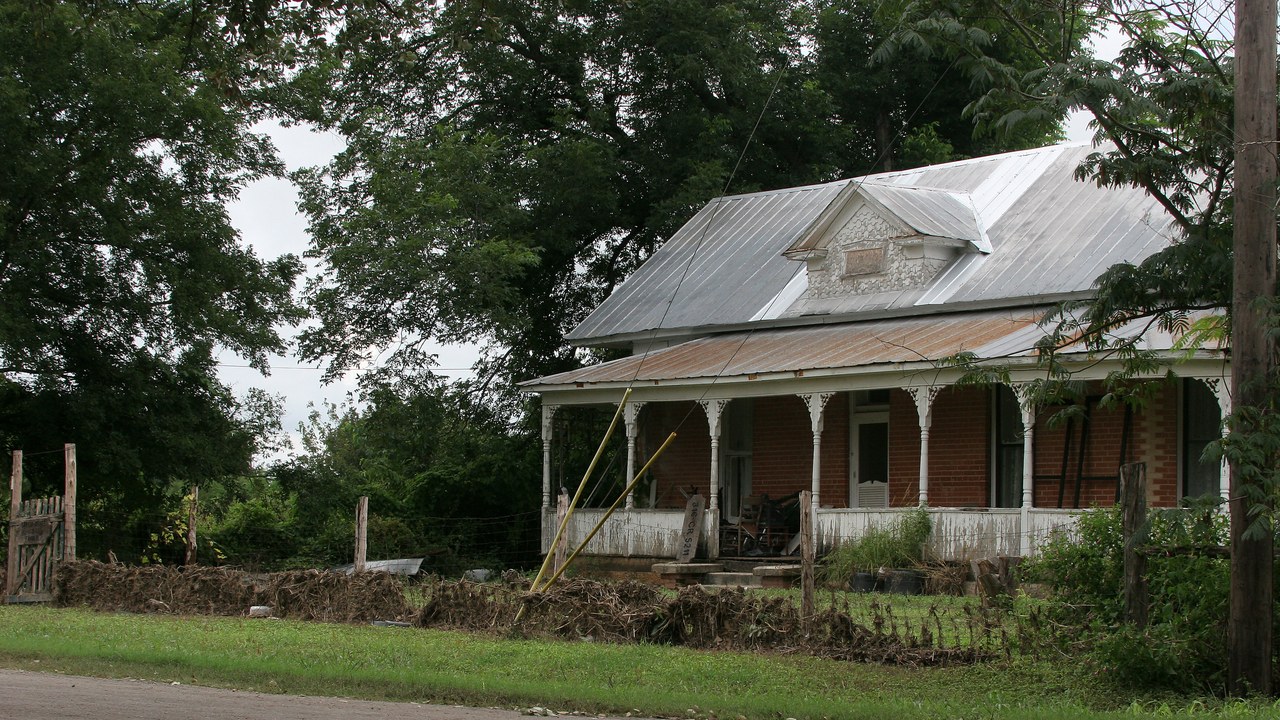
Renters and homeowners in eight Florida Panhandle counties who lost furniture, clothing and other belongings to Hurricane Isaias can apply until Dec. 28 for federal disaster loans of up to $100,000 to replace them. The U.S. Small Business Administration opened the loans after a presidential disaster declaration on Oct. 27 for the storm, which hit Oct. 6 through 12. The rate is as low as 3 percent.
The Florida Division of Emergency Management posted the SBA announcement on Nov. 5. Most people hear “SBA” and think of business owners. These loans are open to people who rent an apartment or own a home and need to buy things again.
A loan for what was inside the house
The $100,000 cap is for personal property, and it is open to both homeowners and renters, according to the announcement the state posted. The SBA says the money is to replace or repair that property. It is a loan, not a grant, so it has to be paid back with interest.
Homeowners can also borrow up to $500,000 to repair or replace a primary residence. That is a separate loan with its own cap. A renter has no house to repair, so the personal property loan is the one that matters for anyone whose landlord owns the building.
The question for a Panhandle renter or homeowner is plain: does the address sit in one of the eight counties, and did the storm destroy more than the insurance check will cover? If so, the application is due Dec. 28, and it can be started online or by phone this week.
Retirement deadlines, in your inbox: Miss an enrollment or claim deadline and the money can be gone. Join the Retirement Money Brief and we’ll send you our Property Tax & Utility Relief Finder as a welcome gift.
Get the Brief + the relief finder →
We may earn a commission from links on this page.
Timing matters because the loan is built on documented losses. The SBA ties the mitigation add-on to verified physical damage, which signals that amounts rest on what an applicant can show. Photos taken before cleanup, a list of what was lost and any letter from an insurer give a loan officer something to work from.
The announcement does not say how insurance payments are counted against a loan. The SBA phone line and the Pensacola center are the places to ask before a form is filed.
Which counties count
Loans for physical damage are open in Bay, Escambia, Gulf, Holmes, Okaloosa, Santa Rosa, Walton and Washington counties. That list controls who can borrow for belongings.
Four more Florida counties, Calhoun, Franklin, Jackson and Liberty, are on the announcement, along with Baldwin, Covington, Escambia and Geneva counties in Alabama. They are named only for economic injury loans, which are working-capital loans for small businesses and private nonprofits. A renter in one of those counties does not get the personal property loan from this declaration.
What 3 percent and a 12-month wait mean
The SBA lists rates as low as 3 percent for homeowners and renters, 3.625 percent for private nonprofits and 4 percent for businesses. Terms can run up to 30 years. Interest does not build up, and no payment is due, until 12 months after the first money goes out.
"Through a presidential declaration, SBA provides financial assistance to help communities recover," said Chris Stallings, the SBA’s associate administrator for the Office of Disaster Recovery. The 3 percent and the 30 years are both ceilings on how good the deal can be. The announcement does not say what rate any one household will get. That depends on the application.
The agency also says a loan can be raised by up to 20 percent of the verified physical damage to pay for protection against the next storm. Examples it lists are wind-rated garage doors and safe rooms.
The interest-free first year is what separates this from a credit card or a personal loan. A household that borrows in December does not pay the first bill until a year after the first disbursement, which gives a family time to settle an insurance claim and see what it still owes. The lender is a federal agency, and the terms are the ones the SBA published.
Where to file before the 28th
Applications go through the SBA’s disaster loan site. People who want to talk to someone can book a time at the SBA’s appointment page, and walk-ins are welcome. The phone number is 1-866-SBA-HELP, and the email is [email protected]. Callers who are deaf, hard of hearing or have a speech disability can dial 7-1-1.
In Escambia County, the SBA runs a Business Recovery Center at the Ferry Pass Community Center, 8800 N. 9th Ave., Pensacola. It opened Nov. 3 and is open Monday through Friday from 8 a.m. to 5 p.m. and Saturday from 10 a.m. to 2 p.m. It is closed Thursday, Nov. 26 and Friday, Dec. 25. It shuts for good at 5 p.m. on Dec. 28, the same day applications for physical damage are due.
The center’s name says business, but the announcement lists the home and renter loans among the help the SBA is offering. Businesses have a later date for economic injury loans, July 27, 2027. The Dec. 28 date is the one for belongings and houses.
The announcement does not list the papers an applicant must bring. Anyone going in person can carry photos of the damage and any letter from an insurer, and ask a loan officer what else is needed. The SBA does not say how long a decision takes, so an application filed in November leaves room for a missing page or a callback.
Rebuilding a Panhandle household after Isaias?
A Panhandle household that loses a roof, a car or a whole room of belongings often cannot find the insurance policy, the account numbers or the list of what was in the house when a loan officer asks. The next storm tests the same paperwork again.
The Family Emergency Binder is an 18-page fill-in binder with 14 fill-in sections, one at a time, including one for insurance policies and one for the home, car and monthly bills. It also has a page for who the family calls first, and it takes one afternoon to fill in.
Get the Isaias storm-loss binder with insurance-policy pages →
This article was produced with AI assistance and edited for accuracy against the sources linked above.