Public-service work can lead to cancellation of a borrower’s remaining federal Direct Loan balance, but the result is not automatic after ten calendar years on the job. Public Service Loan Forgiveness requires 120 qualifying monthly payments, eligible loans, an eligible repayment plan, and qualifying full-time employment.
That combination makes routine verification important. A worker can spend years in government or nonprofit employment and still lose time if the loan type, payment plan, or employer record does not meet the program’s rules.
The promise is the remaining balance after 120 qualifying payments
Federal Student Aid’s current forgiveness guide says eligible public-service workers may qualify for forgiveness of the entire remaining balance of their Direct Loans after 120 qualifying monthly payments made under a qualifying repayment plan while working full time for an eligible employer.
The word “remaining” matters. PSLF does not promise a fixed check or a $120-payment shortcut. A borrower makes qualifying payments as required, and the balance left after the program’s conditions are satisfied may be discharged. A person whose debt is already paid off before reaching 120 payments has no remaining PSLF balance to erase.
The payments must cover 120 separate monthly obligations. Paying extra on one bill does not simply turn that month into several qualifying months, although current rules may allow certain prepayments to count for future months within limits.
Social Security, Medicare, and retirement rules are easier to use when the fine print is translated. The free Retirement Shield newsletter does that a couple of times a week. Subscribe free.
Employer eligibility depends on the organization, not the job title
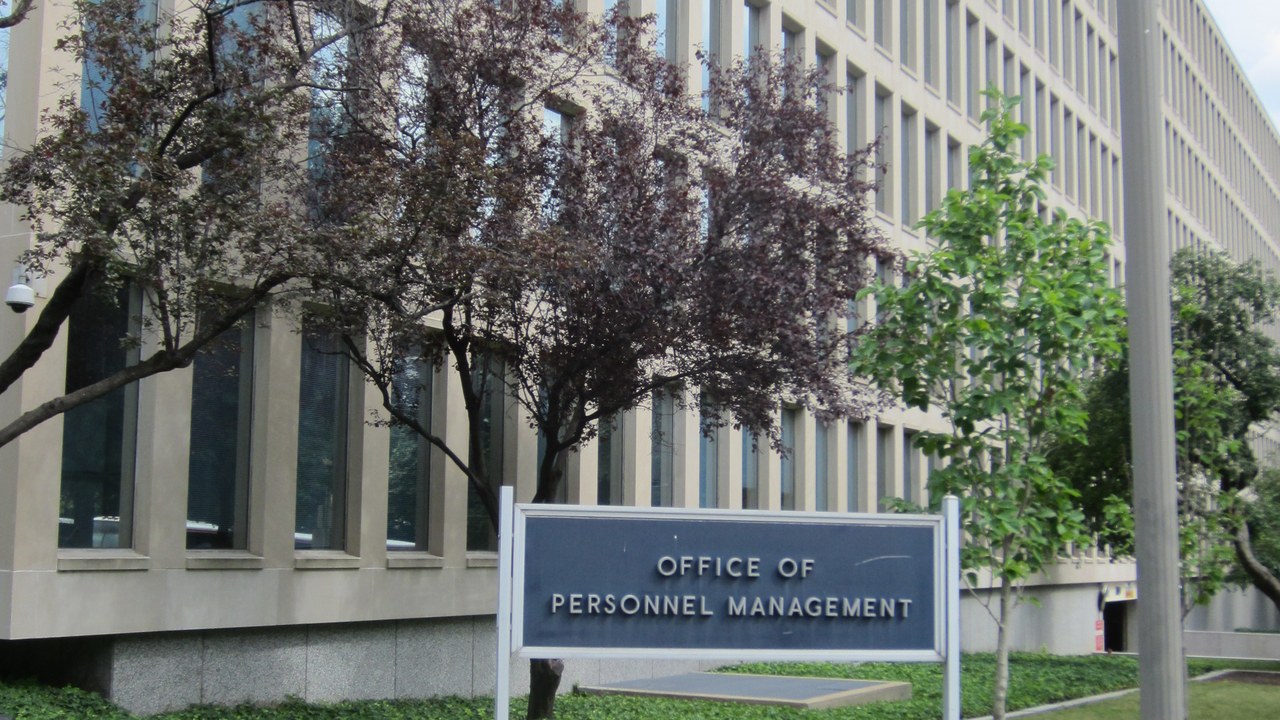
Qualifying employers generally include U.S.-based federal, state, tribal, and local government organizations, along with many nonprofit organizations. The job itself does not have to be a particular profession. An accountant, custodian, nurse, attorney, or administrative worker can be evaluated under the same employer-based rule.
The PSLF Help Tool allows a borrower to search an employer using its employer identification number, generate the PSLF form, request an authorized employer signature, and submit the form. A government contractor is not treated as a government employer merely because its work supports an agency.
Full-time status also must be satisfied during the payment periods being claimed. Borrowers with multiple qualifying part-time employers should use the current official definition and report all relevant employment rather than assuming one job must carry a full-time label.
Only eligible federal loans count directly
PSLF applies to loans in the Direct Loan Program that are not in default. Federal Family Education Loan Program and Perkins loans do not qualify directly, although consolidation into a Direct Consolidation Loan may create a path forward.
Consolidation can change how prior payment credit is calculated, and it is not a step to take from a marketing email or a phone pitch. Borrowers should sign in to their official StudentAid.gov account, identify each loan type, and review current consolidation consequences before submitting anything.
No private company can guarantee federal forgiveness. The official tools are free, and Federal Student Aid warns borrowers that they never need to pay for help accessing federal student-loan programs.
The repayment plan affects whether a month qualifies
Federal Student Aid says borrowers generally need an income-driven repayment plan or the standard 10-year plan to benefit from PSLF. In practice, the standard plan often pays a loan off by the time 120 payments are made, so income-driven repayment is commonly associated with a balance remaining for forgiveness.
Income-driven plans and their availability have been affected by policy and court changes. The government’s income-driven repayment page is the place to check current options rather than relying on an old plan comparison.
A low or zero required monthly payment can potentially count when all PSLF rules are met. The key is not the dollar amount alone; it is whether the payment obligation, repayment plan, loan, and employment all qualify for that month.
Certify employment and watch the count
Submitting a PSLF form regularly is the practical way to confirm that an employer and employment period are being credited. Federal Student Aid’s progress guide recommends using the Help Tool and explains how borrowers can review eligible and qualifying payments in their StudentAid.gov account.
Check the employer name, dates, hours, loan status, payment count, and any months shown as ineligible. Save copies of submitted forms and confirmation messages. If a count is wrong, it is easier to investigate while payroll and employment records are still available.
PSLF can erase a large remaining balance, but only for borrowers who satisfy each moving part. The safest household strategy is to verify early, certify periodically, use only official federal tools, and treat the 120-payment count as something to monitor rather than a number to assume.
Keep annual screenshots or downloaded records showing the payment count and employer certifications. Servicing transfers, consolidation, name changes, and employer restructuring can make old documentation important. If federal guidance changes, use the date and wording on the current StudentAid.gov page and save the confirmation produced by the official tool rather than relying on a private dashboard.
Main Street money decisions get easier when the numbers are explained without jargon. The free Retirement Shield newsletter delivers that help in a short email. Sign up free.
This article was researched and drafted with AI assistance and checked against the linked primary sources. Public records were used to verify every specific figure and deadline.