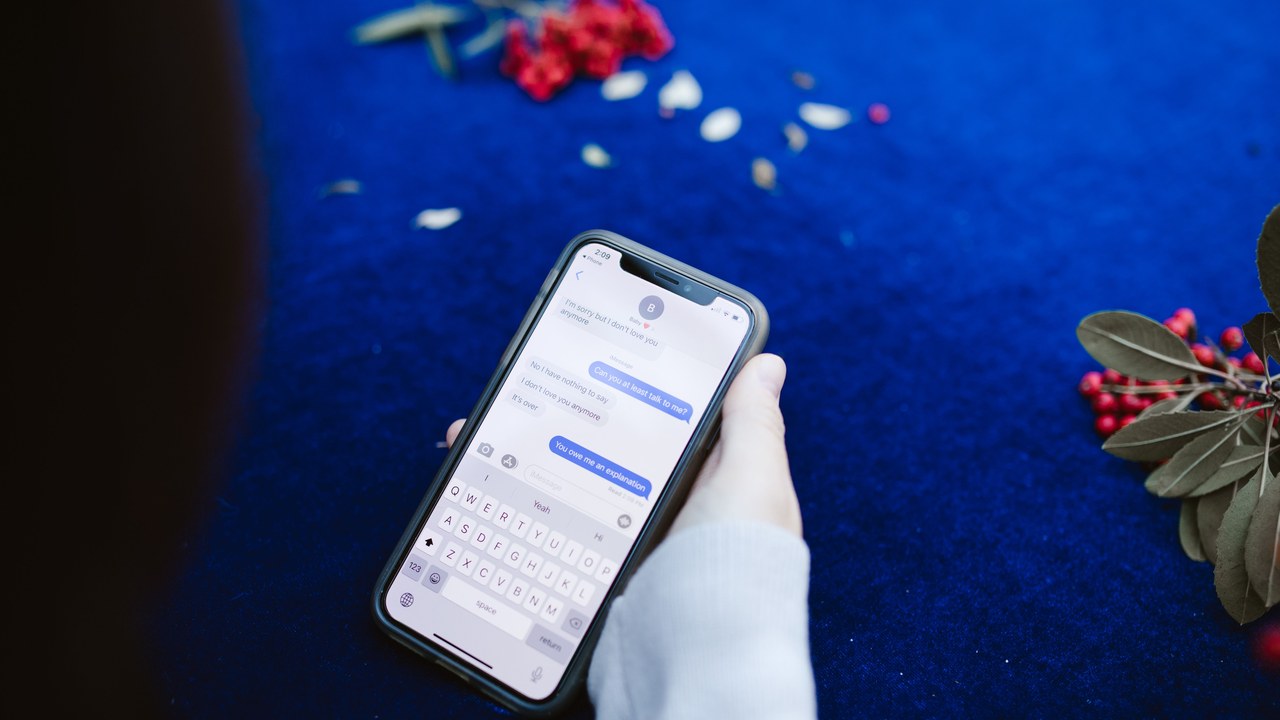
The FBI is warning voters and donors that scammers are working the 2026 midterm elections with fake campaign investment pools, bogus political committees and AI-generated voices. The alert came out Oct. 15, and Election Day is Tuesday. Anyone who gets a donation pitch, a survey or a voter-registration text this week is the target.
The warning comes from the FBI’s Internet Crime Complaint Center, known as IC3, and updates an alert it issued on Oct. 29, 2024.
Four election scams the FBI describes
The FBI’s alert, titled “Scammers Exploit 2026 U.S. Midterm Election to Perpetrate Multiple Fraud Schemes,” names four schemes. The full text is on the IC3 site. The first is the campaign investment pool. Scammers promise guaranteed returns on contributions to a pool that supposedly pays out after a candidate wins, and they urge victims to recruit others to raise their share.
The second is what the FBI calls a ScamPAC. Victims believe they are giving to a real political action committee, Super PAC or campaign committee. In the FBI’s words, “the scammers have no affiliation with the PAC and keep the funds.”
The third is an online purchase scam. Fake political merchandise is sold and never shipped. The fourth targets voter registration: a text or email says the person is not registered and should click a link to a state registration page that is fake. The goal there is to steal personal information.
The reader question is simple: how can a donor or voter tell a real campaign request from a scam before any money moves? The FBI gives three checks. Look up the committee on the Federal Election Commission site, confirm that the phone number or email belongs to the group it claims to represent, and check voter registration only at the official government site.
Retirement deadlines, in your inbox: Miss an enrollment or claim deadline and the money can be gone. Join the Retirement Money Brief and we’ll send you our 2026 Government Check Reality Tracker as a welcome gift.
Get the Brief + the check tracker →
We may earn a commission from links on this page.
AI voices that sound like a candidate
The FBI says scammers use artificial intelligence to “generate highly realistic voices, images, and written messages.” The tools let criminals imitate candidates, campaigns, government offices and trusted contacts, which makes fraud harder to catch by ear.
That matters most for phone calls. A voice that sounds like a governor, a senator or a campaign volunteer is no proof the call is real. The FBI’s advice is to be wary of unsolicited calls, texts, emails or surveys, and never to share personal information or click an unknown link.
The alert includes no dollar figures and no named victims. It describes the tactics only, so there is no count of how much money has been lost this season.
A campaign gift is not an investment
The FBI is blunt on one point: campaign donations are not investments. They will not grow, and they are not refunded. Any pitch that ties a political contribution to a payout, a share of winnings or a bonus for signing up friends does not fit how campaign giving works.
That line catches the investment-pool scam, which depends on the idea that backing a winner pays back later. The recruiting piece is a second warning sign. A real campaign does not ask donors to bring in new money so the first donors can profit.
The FBI also says high fundraising, consulting or administrative expenses on a committee’s filings may signal a scam. It adds a caution that some scam PACs may appear registered, so a registration alone does not clear a group.
The FEC’s committee search lets anyone look up a political committee by type, years active, party, location and treasurer, and view its filings and spending. A separate FBI notice on election crimes, also dated Oct. 15, tells people to check the registration status of a political committee on the FEC site before donating.
Where voters check registration and report a scam
For registration, the FBI points to vote.gov. Anyone who gets a text or email saying their registration is in trouble is told to skip the link in the message and go there directly instead. For merchandise, the alert says to research a seller before paying.
People who think they were targeted can contact their local FBI field office or file a report at ic3.gov. The FBI asks for the name of the person or company that made contact, phone numbers, addresses, emails and websites, how and when the payment was made, how the contact began and what the victim was told or asked to do.
The separate election-crimes notice says suspected federal election crimes can also go to the FBI through tips.fbi.gov. It adds that no one should ever accept money or anything of value in exchange for voting for a specific candidate.
Because voting is Tuesday, the voter-registration text is the scam with the shortest clock. A message that claims a voter has been dropped from the rolls is built to make someone click fast. The FBI’s advice for the registration scam is to skip the message and go to the official site directly.
Got a donation request or a registration text this week?
An election scam that works rarely stops at the first payment. A criminal with a name, a phone number and a card number can open accounts, reach into a bank login or call back with a more convincing voice.
Scam-Proof Your Accounts in a Weekend is a 13-page guide with how to freeze your credit at all three bureaus, free by federal law, and how to lock your bank logins with two-step login, alerts and a verbal password. It also covers a family code word for fake calls from a relative in trouble, which fits an age of cloned voices.
Get the credit-freeze and bank-login lockdown guide for election-season scam calls →
This article was produced with AI assistance and edited for accuracy against the sources linked above.