Anyone who once held a mortgage insured by the Federal Housing Administration may have money waiting at the U.S. Department of Housing and Urban Development. HUD runs a refund search on its website, and the page says that “if you had an FHA-insured mortgage, you may be eligible for a refund from HUD/FHA.” The search takes a last name or an FHA case number and costs nothing.
The money in question is a mortgage insurance premium refund on a previously owned FHA property. FHA loans carry mortgage insurance that the borrower pays for. HUD’s FHA home page lists the lookup as “Search for Eligible Mortgage Insurance Premium Refunds” under its homeowner and homebuyer resources.
How to run the HUD search
The refund search page asks for one of two things. One is the borrower’s last name. The other is the FHA case number, written as three digits, a dash and seven digits, such as 051-4567890. A city and state for the FHA-insured property can be added to narrow the results, and “All States” is the default.
Homeowners who still have closing papers from an FHA purchase or refinance should look for the case number there. People who only remember the name on the loan can search by last name and add the city and state of the home to narrow the list.
For anyone whose name does not show up but who believes a refund is owed, HUD gives a toll-free number, 1-800-697-6967. The same number handles refund payments when a name is found, and HUD lists it as the support line for requesting an application or checking status.
Stay ahead of government payment news: Miss an enrollment or claim deadline and the money can be gone. Join the Retirement Money Brief and we’ll send you our 2026 Government Check Reality Tracker as a welcome gift.
Get the Brief + the check tracker →
We may earn a commission from links on this page.
What HUD requires to pay a refund
HUD’s page describes the system as meant for individuals or authorized agents who are requesting a premium refund payment on a previously owned FHA property. It says the person must have “received HUD form 27050-B directly from the U.S. Department of Housing and Urban Development within the past 180 days.” An agent must have express written consent from the property owner.
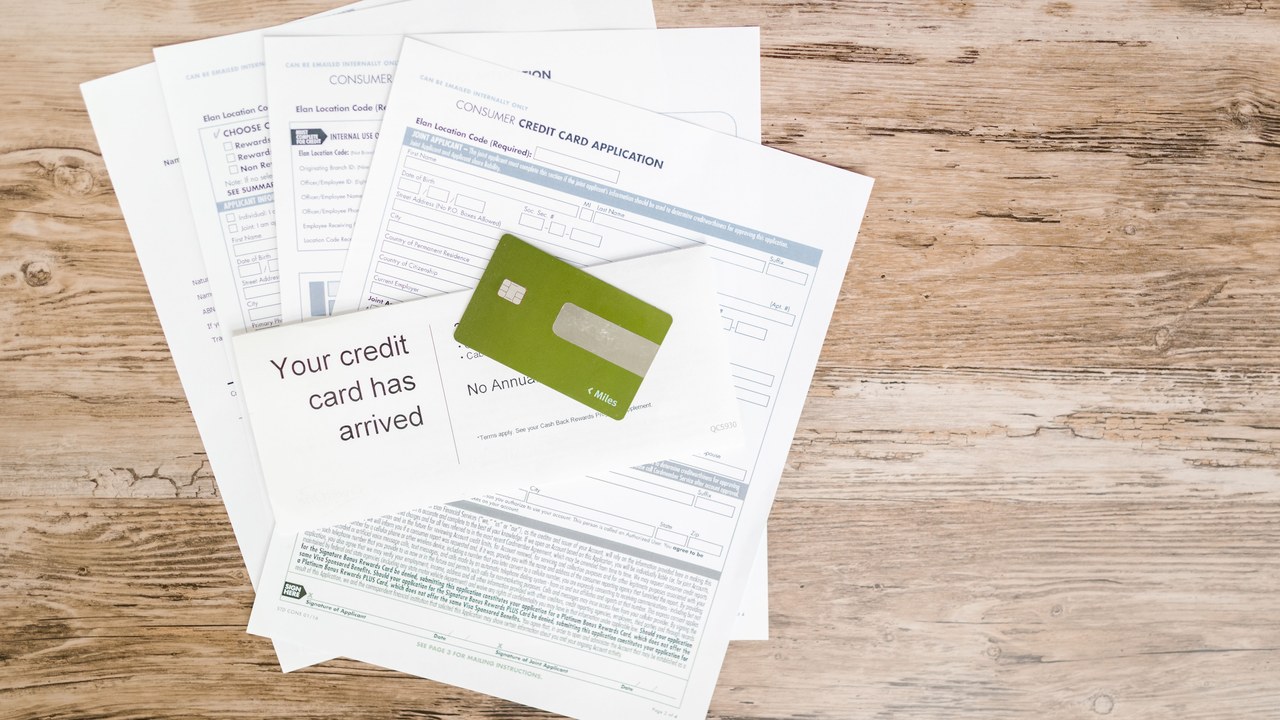
Form HUD-27050-B is the refund application. HUD says providing the information on it is voluntary, but that “failure to provide information may delay the processing.” Documentation can be sent by email to [email protected], by fax to (301) 572-8079, or through the Premium Refund Application Upload page on the same site. Homeowners represented by an attorney are directed to a separate PDF on the refund page.
The page does not post a dollar amount, a total owed or a deadline. A homeowner cannot tell from the search how large a refund is until HUD confirms the case, so the listing is a starting point and not a payment promise. HUD says only that a person “may be eligible.”
Why FHA borrowers can get premium money back
The refund search page does not spell out which loans produce a refund. For the background, HUD’s loan handbook chapter on mortgage insurance premiums says borrowers “are entitled to a partial refund of the UFMIP paid at closing” when an FHA loan is paid off early. UFMIP is the up-front mortgage insurance premium charged at closing.
That handbook chapter ties the amount to timing. For loans closed on or after Jan. 1, 2001, a partial refund applies if the loan is paid off or refinanced within five years of closing. For loans endorsed on or after Dec. 8, 2004, the chapter says refunds are eliminated except for borrowers who refinance into another FHA loan, and that window is three years. The refund shrinks the longer the loan ran, starting at 80 percent in the first month and falling to 10 percent in year three for those refinances.
Those rules are in HUD’s Handbook 4155.2, Chapter 7. It is an older document, and the refund search page does not say which closing dates or payoffs it covers, so the search result is what settles whether HUD holds money in a given name. Homeowners whose FHA loan ended years ago, by a payoff or a refinance, are the group the lookup is built for.
Do not pay a middleman for the lookup
The refund page is blunt on one point. It says people “do not need to pay another person or firm to assist you in collecting your refund.” Private tracing companies do exist, and HUD has a separate third-party tracer application for claimants who choose to authorize one.
HUD adds a limit. When a third-party tracer is selected, only refunds two years or older are displayed. A homeowner who hires a tracer therefore pays for a search that HUD offers directly, and the tracer’s view of the database is narrower than the one a homeowner sees.
The page also carries standard government warnings about the system. Use is monitored, and “misuse or unauthorized use may subject you to criminal prosecution.” Information given to HUD will not be disclosed outside the agency without consent, except for listed uses such as verifying details with FHA lenders and locating homeowners through authorized requesters.
The page asks users to read its FHA refund alerts before proceeding. Anyone who gets a letter, call or text about an FHA refund from someone other than HUD should go to the HUD page directly and not through a link or number in the message.
Had an FHA loan, or other money waiting?
An FHA refund is one kind of money that sits unclaimed, and it is one that most people never think to look for. The same goes for a forgotten state account, an old savings bond or a utility deposit, and each one has its own office, its own search and its own paperwork.
The Money Owed to You Bundle puts eight large-print guides in one 71-page download, including Find Unclaimed Money in Every State: every state you’ve lived in, every name you’ve used, and how to file the claim. It also has Savings Bond Finder: which bonds stopped earning, cashing by bank or mail, and FS Form 1048 for lost bonds, and a Utility & Deposit Refunds guide that covers mortgage escrow after payoff. Every search and claim stays free at the official source.
Get the old-mortgage and unclaimed-money search guides →
This article was produced with AI assistance and edited for accuracy against the sources linked above.