For most of Medicare’s history, there was no ceiling on what a person with Part D could spend at the pharmacy in a year. A cancer drug, a blood thinner, and an inhaler could stack into five figures, and the program would just keep taking copays. That era is over. In 2026, once your out-of-pocket spending on covered Part D drugs reaches $2,100, you’re done paying for them for the rest of the year.
If you or a parent takes expensive medications, this single number should reshape how you think about drug costs — and about which fears are still worth having. Here’s how the cap works, what counts toward it, and the two companion programs that make it easier to live with.
Where the $2,100 comes from
The cap was created by the Inflation Reduction Act, which rebuilt the Part D benefit. The first hard cap arrived in 2025 at $2,000, and the law indexes it each year to drug-cost growth; the Centers for Medicare & Medicaid Services set the 2026 threshold at $2,100 in its official Part D program instructions for 2026. The same document sets the 2026 maximum deductible at $615, up from $590 in 2025.
The 2026 benefit has three phases. First, the deductible: you pay the full negotiated price of your drugs until you’ve met your plan’s deductible (many plans charge less than the $615 maximum, and some skip it for cheap generics). Second, the initial coverage phase: you pay copays or 25 percent coinsurance while you and your plan share costs. Third — the new part — catastrophic coverage: once your own payments total $2,100, you pay $0 for covered drugs through December 31. The old “donut hole” coverage gap that terrified a generation of retirees no longer exists.
What counts toward the cap — and what doesn’t
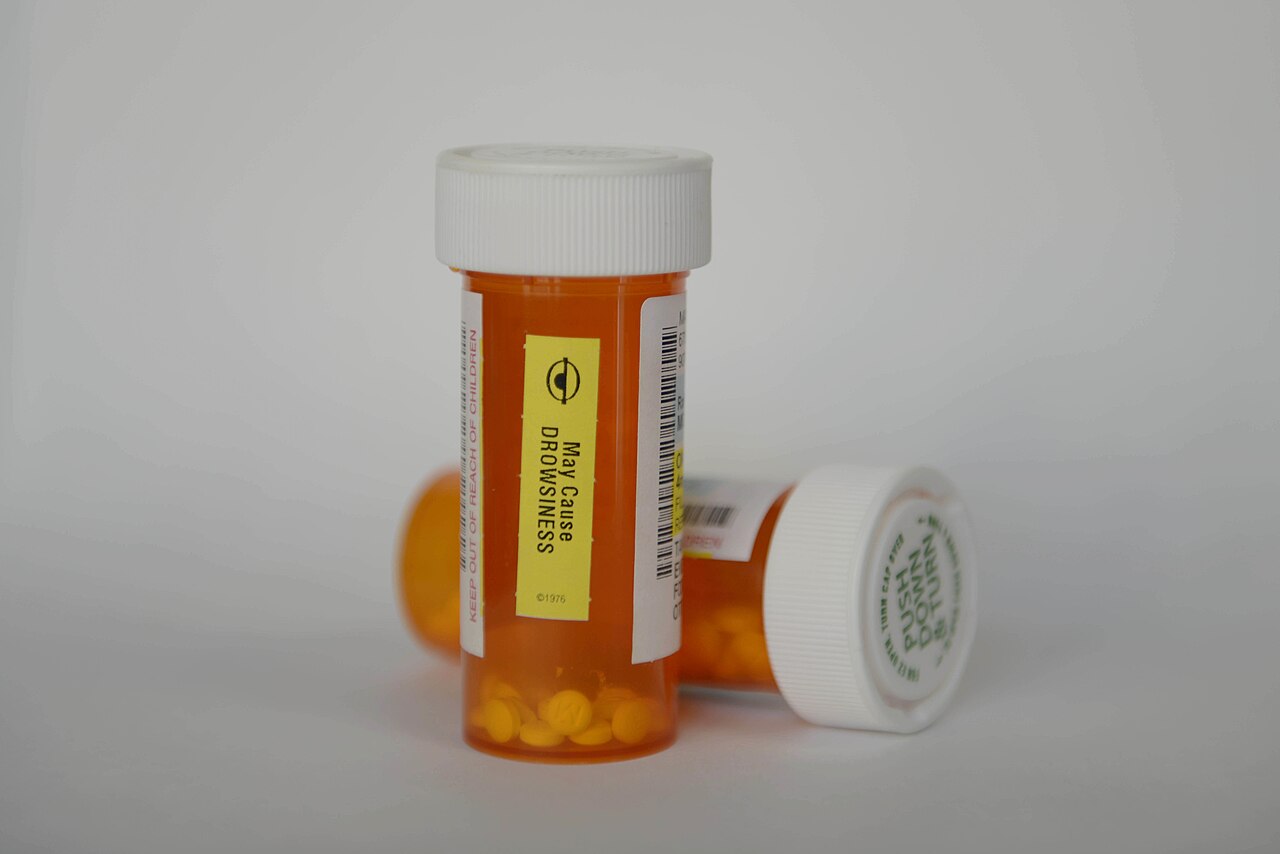
Everything you pay out of pocket for covered drugs counts: your deductible, copays, and coinsurance all accumulate toward the $2,100. Help you receive from Medicare’s Extra Help program and certain other assistance also counts on your behalf. You don’t have to track it yourself — your plan’s monthly explanation of benefits shows your running total.
Three things do not count, and they’re the fine print worth knowing. Your monthly plan premium doesn’t count — you keep paying that all year. Drugs your plan doesn’t cover don’t count — if a medication isn’t on your plan’s formulary and you pay cash, that money is invisible to the cap (one more reason to check formularies every fall during open enrollment). And drugs covered under Medicare Part B — typically infusions and injections given in a clinic — live in a different system with different cost-sharing. The full breakdown of what you pay at each stage is on Medicare.gov’s costs pages.
The payment plan that smooths the bills
A $2,100 cap is a huge improvement, but hitting it in January and February — which is exactly what happens to people on expensive specialty drugs — can still wreck two months of a fixed-income budget. That’s what the Medicare Prescription Payment Plan is for. It’s a free option, offered by every Part D plan, that lets you pay $0 at the pharmacy counter and instead receive a monthly bill from your plan that spreads your drug costs across the remaining months of the year.
Important: it doesn’t lower what you owe by a dime — it’s a payment schedule, not a discount. But for someone who would otherwise face the whole $2,100 in the first quarter, it turns a spike into a level monthly payment. You can opt in through your plan at any point in the year, and it makes the most sense for people with high costs early in the year.
Insulin and the other built-in breaks
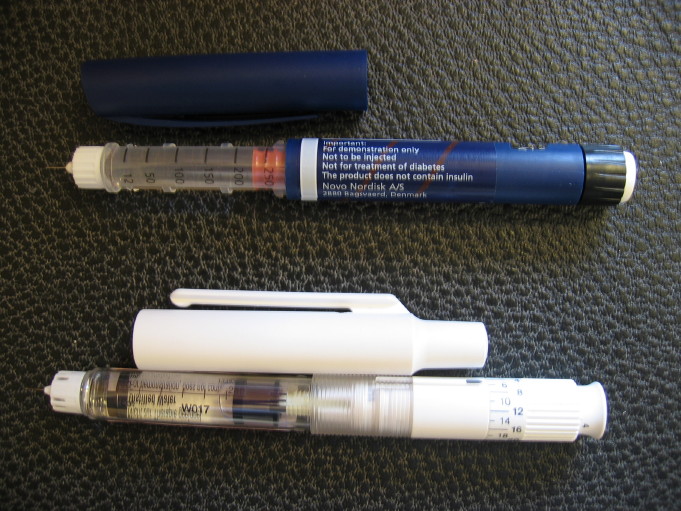
Two other pieces of the redesigned benefit are easy to forget. Insulin covered by your plan is capped at $35 a month per product, in every phase of the benefit — the cap applies even before you’ve met your deductible. And recommended adult vaccines covered under Part D, including the shingles vaccine that used to sting people for a couple hundred dollars, cost $0.
If your income and resources are limited, look at Extra Help through Social Security, which pays some or all of Part D premiums and deductibles and sharply lowers copays. The program expanded in 2024, and many people who were turned down years ago would qualify today. It takes minutes to apply online.
What this means for your planning
The practical takeaway for 2026 is that your worst-case pharmacy year is now a known number: $2,100, plus your premiums, for covered drugs. That changes decisions. It makes an expensive-but-covered brand drug less catastrophic than it looks at the counter, because your exposure ends mid-year. It raises the stakes on formulary coverage — the cap only protects you for drugs your plan covers, so plan choice in the fall matters more than the premium difference alone. And it makes the payment plan worth a phone call if your costs pile up early.
One caution to carry into the fall: plans respond to the cap’s costs with their own levers — premiums, deductibles, formularies, and pharmacy networks all shift year to year. The cap is the law; how your particular plan builds around it is a choice you get to re-make every October. When open enrollment comes, compare plans on Medicare.gov using your actual drug list, not last year’s assumptions.
This article was produced with AI assistance and reviewed by a human editor. Figures are linked to their primary sources; where a claim could not be verified from the public record, we say so.