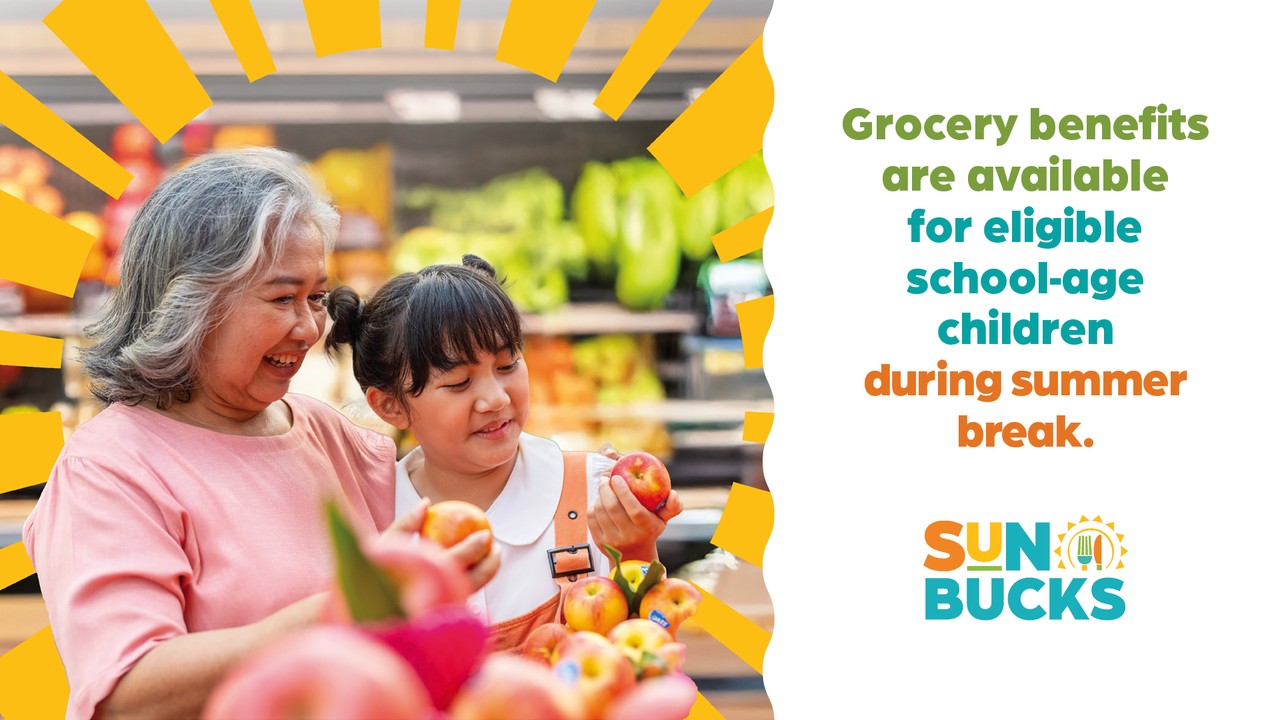
Summer can shift a family’s food budget when school meals stop, even though rent, utilities and other bills keep coming. Sun Bucks is designed to fill part of that gap with grocery benefits for eligible school-age children, but availability and application steps depend on the state, tribe or territory running the program.
The benefit is $120 for each eligible child
Sun Bucks, also called Summer EBT in some places, provides a set summer grocery benefit rather than a weekly meal or a cash payment. A household with more than one eligible child can receive the benefit for each child under the administering jurisdiction’s rules.
The U.S. Department of Agriculture’s current program page confirms $120 in grocery benefits per eligible school-age child. Benefits may be added to an existing SNAP account, loaded onto a separate EBT card or delivered another way selected by the state, tribe or territory.
Social Security, Medicare, and retirement rules are easier to use when the fine print is translated. The free Retirement Shield newsletter does that a couple of times a week. Subscribe free.
Some children are enrolled automatically
Automatic enrollment can apply when a household already participates in programs such as SNAP, Temporary Assistance for Needy Families or the Food Distribution Program on Indian Reservations. Some children whose household information establishes eligibility for free or reduced-price school meals may also be enrolled without a separate Sun Bucks application.
Automatic does not mean that every school-age child will receive a card without any household action. Data matching, current addresses and the program’s local rules can affect delivery. Families expecting benefits should watch mail and notices from the administering agency and make sure existing benefit records carry a usable address.
A household should also avoid submitting duplicate applications when the child is already certified. The local program can confirm whether enrollment happened automatically and how the benefit will be delivered.
Other eligible families may need to apply
A child who is not enrolled automatically may still qualify when the household meets the income requirements and other program conditions. The application is filed with the agency administering Sun Bucks locally, not with a generic national claims company.
USDA’s implementation materials show that certification, verification and benefit operations are handled by participating agencies. That local control is why deadlines and requested documents can vary. The federal program page’s interactive 2026 map is the safest starting point for finding the correct agency and current instructions.
An application may ask for the child’s name, date of birth, school, home address and household income. Families should use only the official site reached through USDA or a recognized state, tribal or territorial agency. No legitimate enrollment helper should demand a fee to release an EBT benefit.
What the benefit can buy
Sun Bucks follows grocery-purchase rules similar to SNAP. Eligible foods include fruits and vegetables, meat, poultry, fish, dairy products, breads, cereals, snack foods and nonalcoholic drinks. The benefit cannot be used for pet food, cleaning supplies, personal-care products, medicines or hot prepared food.
Many supermarkets, convenience stores, farmers markets and approved online sellers participate. USDA maintains an official SNAP retailer locator that can help identify nearby stores. A retailer’s acceptance of ordinary debit cards does not by itself establish EBT participation.
The benefit is restricted grocery money, not cash that can be moved to rent or utility bills. Its household value comes from replacing part of the food spending that would otherwise come out of a paycheck or monthly benefit.
Participation is not nationwide in the same way everywhere
The headline’s phrase “participating areas” is important. States, tribes and territories make participation and administrative choices, and USDA says its 2026 listing is updated as agencies finalize plans. A program available across a state may still use a tribal administrator for some households or a different delivery process from a neighboring state.
Application deadlines can also arrive before the end of summer. A family that believes a child is eligible should check the official local page promptly rather than assuming the school year must begin first. If a child was automatically enrolled but the card or deposit did not arrive, the local agency is the right place to correct an address or data-match problem.
A short household checklist
First, use USDA’s 2026 map to confirm that Sun Bucks operates in the jurisdiction. Second, check whether the child should be automatically enrolled through an existing benefit or school-meal record. Third, find the local deadline and apply only if the agency says an application is needed.
Finally, keep approval notices and the EBT card secure, and confirm eligible purchases before shopping. The $120 amount is a verified federal benefit per eligible child, but receipt depends on both eligibility and the rules of a participating administrator. That makes the local agency page just as important as the national dollar figure.
Household bills rarely rise in isolation. The free Retirement Shield newsletter connects the changes that matter to working families and retirees. Read it free.
This article was researched and drafted with AI assistance and checked against the linked primary sources. Public records were used to verify every specific figure and deadline.