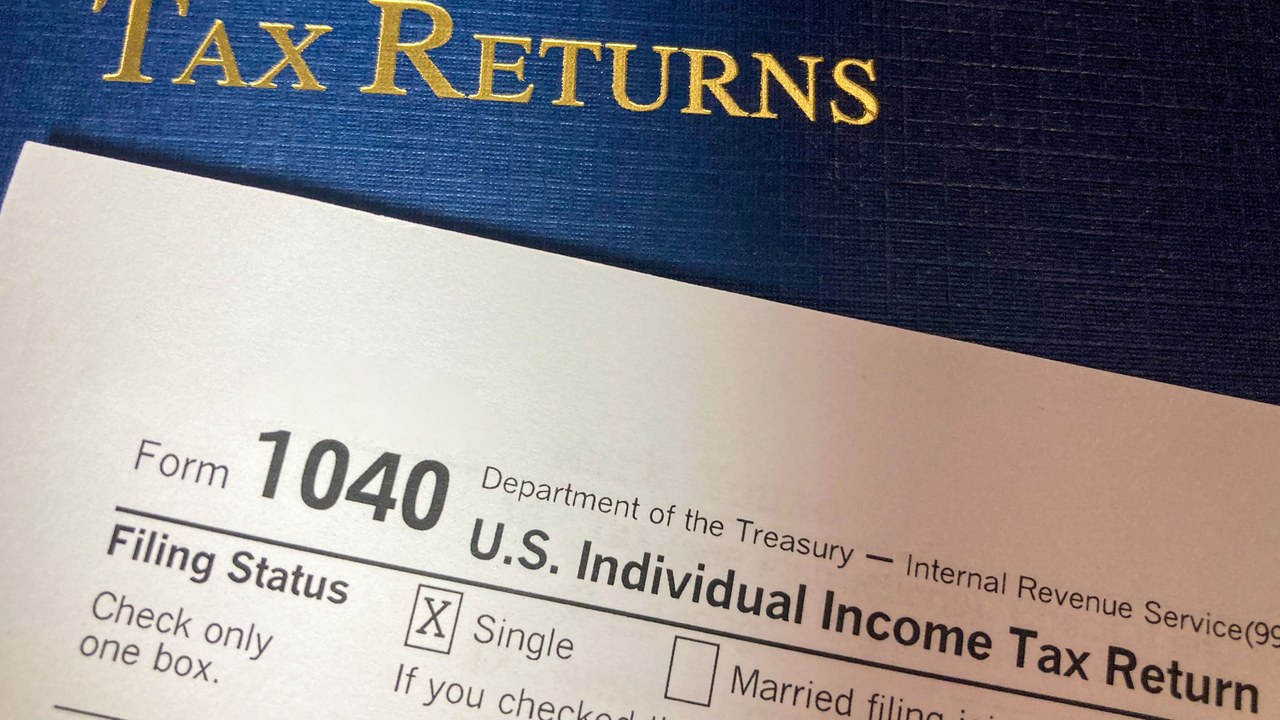
The last installment of 2026 estimated tax falls in January 2027, after the year it covers has ended. That timing catches retirees who treat the calendar year as finished once December passes. The date is January 15, and the payment is the fourth of four.
Estimated payments exist for income that has no tax withheld, which for many retirees means IRA withdrawals, pensions without withholding, interest, dividends and capital gains. The IRS expects that tax to be paid during the year, not all at once in April.
The question for a retiree who takes money from an IRA or earns investment income is whether a quarterly payment is owed and when. The answer depends on how much tax withholding already covers.
Stay ahead of retirement tax and RMD news: Miss an enrollment or claim deadline and the money can be gone. Join the Retirement Money Brief and we’ll send you our 2026 Retirement Tax, RMD & Medicare Deadline Calendar as a welcome gift.
Get the Brief + the deadline calendar →
We may earn a commission from links on this page.
The four dates for 2026 estimated tax
The IRS’s Form 1040-ES instructions list the 2026 payment dates as April 15, 2026, June 15, 2026, September 15, 2026 and January 15, 2027. The form also says the whole amount can be paid by April 15, 2026.
The fourth payment is the one that surprises people, because it lands after the new year and just ahead of filing season. A taxpayer who skipped the first three payments is still facing the January date, and the payments already missed remain part of the underpayment math.
The dates are not evenly spaced. The second payment comes two months after the first, and the third comes three months after the second, so the periods and the due dates do not line up with calendar quarters.
Who has to make the payments
The IRS’s estimated taxes page says individuals, including sole proprietors, partners and S corporation shareholders, generally must pay if they expect to owe tax of $1,000 or more when their return is filed. The 1040-ES instructions add that the rule applies when withholding and refundable credits will be less than the smaller of 90% of the 2026 tax or 100% of the 2025 tax.
The class is wider than people who run businesses. Retirees with income that has no withholding attached, such as IRA distributions with no tax taken out, fall inside it when the numbers cross those lines. Retirees whose pension or Social Security checks already have enough withheld may owe nothing extra.
Special percentages apply to some farming and fishing income and to higher-income taxpayers, according to the 1040-ES instructions.
The February 1 way out of the fourth payment
The 1040-ES instructions carve out an exception for the last installment. A taxpayer does not have to make the fourth payment if the 2026 return is filed by February 1, 2027 and the entire balance due is paid with it.
The exception moves the payment; it does not remove it. The tax is still owed, and the whole balance has to go in with the return by that date, so the choice is between paying by January 15 and filing early with full payment.
A household that expects a large balance and cannot file by February 1 has no use for the exception. In that case January 15 is the date that counts.
What an underpayment costs
The IRS’s estimated taxes page says that a taxpayer who does not pay enough during the year may owe a penalty for underpayment of estimated tax, even when a refund is due. It says most taxpayers avoid the penalty if they owe less than $1,000 after withholding and credits, or if they paid at least 90% of the current year’s tax or 100% of the prior year’s tax, whichever is smaller.
Uneven income has its own route. A retiree who takes a large IRA distribution late in the year can use the annualized income method on Form 2210 to reduce the penalty, according to the same page.
The page also says the penalty can be waived for a casualty, disaster or other unusual circumstance, and for a taxpayer who retired after age 62 or became disabled when the underpayment was for reasonable cause and not willful neglect.
How payments get to the IRS
The IRS says individuals can mail a Form 1040-ES voucher, or pay online, by phone or through the IRS app, and can also pay through the IRS online account. A reminder the agency issued in October, on year-round tax planning, points taxpayers to the Withholding Estimator and quarterly estimated payments as the tools for staying on track.
Another tool exists for retirees who would rather not make quarterly payments at all. Withholding from an IRA distribution or a pension counts as paid evenly through the year, which a late-year increase in withholding can use to cover earlier shortfalls.
Is a quarterly payment owed on IRA withdrawals, and is January 15 the last chance?
A retiree who takes IRA money with no tax withheld can reach January 15 with a payment due and an underpayment charge on the earlier quarters. The 2026 rules also changed for older taxpayers, so the amount owed depends on deductions many retirees have not yet used.
Cut Your Retirement Tax Bill: 12 Moves shows the lines that set a retiree’s bill in 2026 numbers. It covers the new $6,000 senior deduction ($12,000 for a couple) for 2025 through 2028, how much Social Security is taxed worked out on one worksheet, and the 2026 numbers on one page.
Get the retirement tax system with the Social Security worksheet and 2026 numbers →
This article was produced with AI assistance and edited for accuracy against the sources linked above.