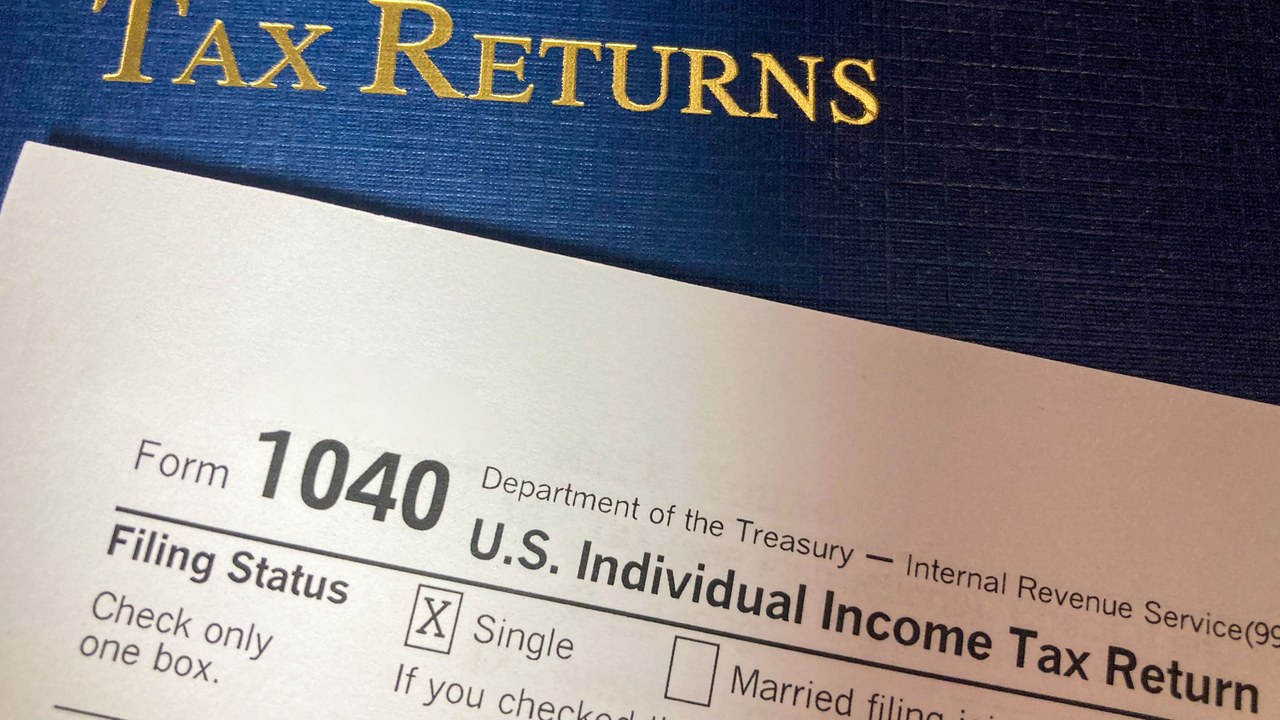
A thief with a Social Security number can file a tax return before the real taxpayer does, collect the refund and leave the victim to untangle the mess. The IRS has a free defense that works at the point of filing: a PIN that must match before a return is accepted. The window for looking that number up runs on a calendar, and mid-November is close.
For anyone worried about a stolen identity, the question is: how do I stop someone filing a return in my name next year? The IRS Identity Protection PIN, known as the IP PIN, is the agency’s answer. The sections below cover when the PIN is available, who can get one, how it is used and what happens when it is missing.
Retirement deadlines, in your inbox: Miss an enrollment or claim deadline and the money can be gone. Join the Retirement Money Brief and we’ll send you our Scam & Identity-Theft Action Card as a welcome gift.
Get the Brief + the scam action card →
We may earn a commission from links on this page.
The mid-January to mid-November window
The IRS page on getting an Identity Protection PIN says the IP PIN is generally available to view in an online account starting in mid-January through mid-November. The wording is the agency’s own, and it gives no exact calendar dates for either end.
That makes the viewing window a seasonal one, not an enrollment deadline. The page describes when an existing PIN can be seen online, and a new PIN is generated each year, so the number used last year does not carry over. Once someone enrolls online, the page says, checking for the PIN falls to that person each calendar year, since no CP01A notice is mailed to online enrollees.
Who can get a PIN
Eligibility is wide. The IRS says anyone who has an SSN or an individual taxpayer identification number and can verify their identity is eligible, and parents and legal guardians can request a PIN for dependents. The fastest way, in the page’s words, is through an online account.
People who cannot set up an online account have other options. They can submit Form 15227, Application for an Identity Protection Personal Identification Number, if their income falls below the limits the IRS sets, or book an in-person appointment at a Taxpayer Assistance Center. The IRS says the identity check for Form 15227 is done by phone, and the PIN then arrives by mail.
What the PIN does when a return is filed
The PIN has to be used on every federal return filed during the year, prior-year returns included. Correct IP PINs must be entered on electronic and paper returns to avoid rejections and delays, according to the IRS page.
The agency’s frequently asked questions spell out the mechanics. An e-filed return with an incorrect PIN is rejected, and a paper return with an incorrect PIN takes longer to process. Each taxpayer who has a PIN must enter it, so spouses with PINs each enter their own, and an e-filed return is rejected if a dependent’s PIN is left off.
What not to do with a lost or unsolicited PIN
The IRS draws two firm lines. People who lose or never receive a PIN should not file a new Form 15227 to replace it, and should instead use the IRS’s guidance for viewing it online or requesting a reissue. The IRS also states that it will never ask for an IP PIN.
The FAQ adds that the PIN is not accepted as proof of identity when someone calls or visits the IRS. A message that asks for the PIN, then, is not coming from the agency, and the number belongs only on a return and with a tax preparer.
Why the identity piece matters for older filers
The Federal Trade Commission reported on October 19, 2026 that losses reported by adults 60 and older rose about fivefold from 2020 to 2025, from roughly $600 million to about $3 billion, in its annual report to Congress on protecting older adults. The release gives no identity theft figures, and tax-return fraud is a different problem from the scams it measures.
The link between them is access. A Social Security number that leaks through any scam or breach is the key a return thief needs, and the IP PIN is the lock the IRS adds to the return itself. With the viewing window generally closing in mid-November and reopening in mid-January, the next retrieval falls after the new year.
Will the IRS PIN be in place before the next return is filed in a taxpayer’s name?
A return filed in a taxpayer’s name before the real one can leave the real taxpayer untangling a stolen refund, and a PIN left unretrieved or entered wrong can get the real return rejected or held up. The IRS says the PIN is generally viewable from mid-January through mid-November, so anyone planning to file early next year needs the new number as soon as the window opens.
Scam-Proof Your Accounts in a Weekend is a guide of ten moves that lock the three ways scammers get into money, in about four hours and in the order that protects the most first. It covers how to get an IRS Identity Protection PIN so no one can file a return in your name, how to freeze credit at all three bureaus, free by federal law, how to lock bank logins with two-step login, alerts and a verbal password, and a family code word for fake grandchild-in-trouble calls.
Lock the tax return and the bank logins with the Scam-Proof Your Accounts in a Weekend guide →
This article was produced with AI assistance and edited for accuracy against the sources linked above.