
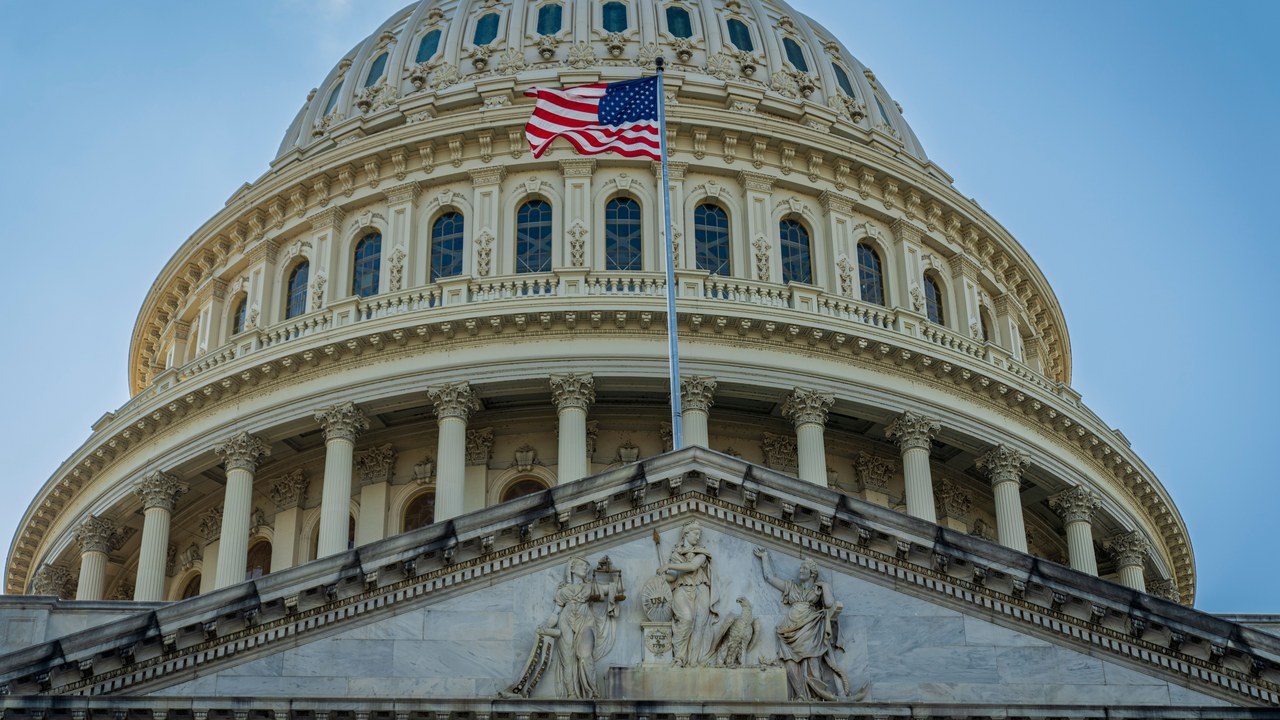
The House Veterans’ Affairs Subcommittee on Disability Assistance and Memorial Affairs forwarded the veterans’ cost-of-living bill to the full committee on June 30 by voice vote. The bill, H.R. 8552, is the work of Rep. Morgan Luttrell, a Texas Republican. It has not moved since, and the full committee has not acted.
How the bill got through the subcommittee
Luttrell introduced the Veterans’ Compensation Cost-of-Living Adjustment Act of 2026 on April 28, with four cosponsors. It was referred to the House Veterans’ Affairs Committee that day, the first step for any House bill, and on June 22 the committee sent it to the subcommittee. A subcommittee hearing followed on June 25.
On June 30 it held a markup session, the meeting where members consider and vote on the text, and then forwarded the bill by voice vote. A voice vote means members call out aye or no and the chair rules on the sound, with no individual tally. The page for H.R. 8552 lists all six actions, and June 30 is the last. The bill’s status on that page still reads “Introduced,” because a subcommittee vote does not change it.
A subcommittee vote is not a House vote
Has the House actually passed the veterans’ raise? No. Clearing a subcommittee only moves a bill up one level. The full House Veterans’ Affairs Committee still has to take it up, since the subcommittee’s vote only recommends that step, and after that it needs a vote on the House floor and agreement from the Senate.
Veterans who receive disability compensation are the ones affected, and for now their payments stay at the rates VA publishes today. Anyone planning around a higher amount should treat it as unconfirmed until a bill becomes law.
Retirement deadlines, in your inbox: Miss an enrollment or claim deadline and the money can be gone. Join the Retirement Money Brief and we’ll send you our Veterans Benefits Starter Checkup as a welcome gift.
Get the Brief + the veterans checkup →
We may earn a commission from links on this page.
The last recorded action came on June 30, and four months have passed, 119 days as of this week. Nothing in the record marks it dead, tabled or withdrawn. It is waiting for the full committee, and the House page lists nothing after the subcommittee’s vote.
The page does not say how any member voted or spoke. What it does show is the order of events: a referral to the subcommittee on June 22, a hearing on June 25, then a markup and a vote on June 30, all within nine days.
For a veteran living on compensation, the practical result is simple. Payments continue at the current VA rates, and nothing in the House action changes a deposit. The subcommittee vote matters as a signal of movement, not as a change in what VA pays.
What the bill would do for veterans
The bill ties the increase in VA compensation to the same percentage as the Social Security cost-of-living adjustment. Social Security set that 2027 figure at 3.6 percent, certified on October 14, 2026. For a veteran rated 100 percent disabled with no dependents, VA’s rate table shows $3,938.58 a month now.
Applying 3.6 percent gives a projection of about $4,080, which is not a rate VA has published. The bill sets December 1, 2026 as the start date, and the new rates would apply only if the bill becomes law. Veterans with a spouse, children or a lower rating are paid on other lines of the table, which the projection does not cover.
The size of the stake is easy to state. The gap between $3,938.58 and $4,080 is $141.42 a month for that one rate line, and it depends entirely on the bill passing before, or soon after, the December 1 date it sets.
The Senate has not matched the House
The Senate companion, S. 4487 from Sen. Jerry Moran, a Kansas Republican, was referred to the Senate Veterans’ Affairs Committee on May 11. That is its only recorded action. It has 15 cosponsors, against four for the House bill, but the House bill has the subcommittee vote and the Senate bill does not.
Senate Veterans’ Affairs has not held a hearing or a markup on it. Only the House has a recorded vote of any kind on the bill. That split matters because the two chambers have to pass the same text. A House committee can finish its work and still have nothing to send if the Senate never acts.
What happens next in the House
The next step is up to the full House Veterans’ Affairs Committee, which can schedule its own markup or leave the bill where it is. The December 1 date in the bill is about five weeks away, and the 119th Congress ends in early January.
Whether the full committee takes up H.R. 8552 before then is the open question. Nothing on the bill’s page since June 30 answers it.
Veterans and families who want to follow it can watch the House page for a new action. A full committee markup would be the first sign that the bill is moving again, and a floor vote would be the next after that.
Waiting on the House to move the veterans’ raise?
A subcommittee vote can look like a finish line, and it is not one. A veteran who counts on the raise as settled could budget for money that has not been approved.
This bill covers disability compensation. The Veterans Benefits Action Kit covers the next question for wartime veterans and surviving spouses with limited income: the three VA pension levels including Aid & Attendance, and how to file for free (VA Form 21P-527EZ).
It also lists the pension-poacher warning signs, the sales pitches that go after veterans’ benefits, and adds a deadline calendar for the filings that do have dates.
Get the pension-poacher warning signs and the free VA filing guide →
More Financial Reading
- 21 Ways to Stretch a $2,087 Social Security Check
- 15 Places to Find Your Share of the $4.25 Billion States Give Back
- 15 Ways Out of 22% Credit Card Interest
This article was produced with AI assistance and edited for accuracy against the sources linked above.


