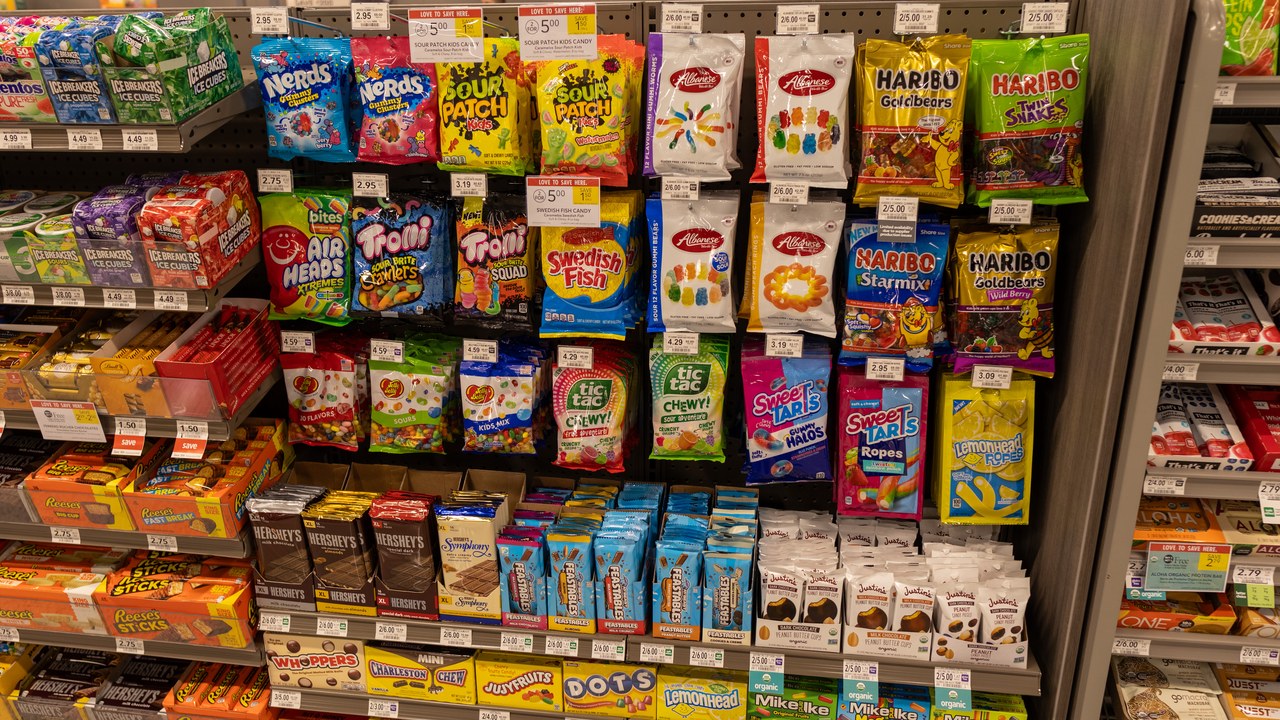
A federal court order issued June 22 is the reason food stamps still buy soda and candy in Colorado, Iowa, Tennessee and West Virginia. The order, in Aragon et al. v. Rollins et al., No. 1:26-cv-00861 in the U.S. District Court for the District of Columbia, vacated USDA’s approval of each state’s purchase limits. USDA’s food-restriction table marks all four rows with the court order instead of a start date.
What the court ordered
USDA’s page says the court ordered that the department’s approval of the waiver be vacated and that the waiver’s implementation may not proceed. A waiver is the federal permission a state needs before it can limit what SNAP benefits buy. With the approval vacated, the permission no longer stands, and USDA would need a new approval before any of the four limits could start.
In those four states, no waiver-based purchase limit is in force, so the EBT card works for soda and candy as usual. Elsewhere the same table shows limits in effect since January in Indiana and Utah, and since July 1 in Arkansas. Those states kept their approvals. The four named in the order did not, and USDA’s last update, nearly four months after the ruling, still carries the court’s language instead of a date.
The page was last updated October 13, 2026, and the four rows still carry the court-order text where other states show a target date. No new start date is listed for any of them. The order is more than four months old, but the table still treats it as the current word for these states.
For a household on SNAP in Colorado, Iowa, Tennessee or West Virginia, the answer to the question of whether the ban applies at the register is no, according to USDA’s table. The EBT card pays for soda and candy there as it did before the states asked to restrict them. Anyone who lives near a state line and shops on both sides should check the other state’s row, because a limit in a neighboring state may be running.
What changed this year: Social Security and Medicare change every year, and nobody sends you a memo. The Retirement Money Brief breaks down what changed and what to do.
Get the Retirement Money Brief →
We may earn a commission from links on this page.
Four states, four different lists
The states did not ask for the same limits, and the table shows it. Colorado’s request covered soft drinks. West Virginia’s covered soda.
Tennessee’s covered processed foods and beverages, such as soda, energy drinks and candy. Iowa’s was the widest, covering all taxable food items under the Iowa Department of Revenue’s definitions, with an exception for food-producing plants and seeds. The table notes a retailer notice to stop implementation for Iowa and West Virginia.
Iowa is the case where the change would have been largest. A limit on nearly every taxable food item reaches well past soda and candy, and the court order is the reason none of it is in force. For Colorado and West Virginia, the stopped limits were narrower, one kind of drink each.
Why the table shows no start date
USDA’s other rows give a target implementation date, the day a state aims to start. These four give none. Where the order stands, the table shows the court case in the date column and nothing a state could be working toward.
A state can ask again. Nebraska is an example. Its own USDA waiver page says the June 22 order vacated its approval too and that a new request, submitted September 1, 2026, is under review. Nothing in the four rows for Colorado, Iowa, Tennessee and West Virginia shows a new request.
The timeline is short and plain. The court acted on June 22, 2026, and USDA’s table was last updated on October 13, 2026. In between, no new approval appeared for the four, which is why the rows read the same today as they did after the ruling.
Shoppers who have heard that soda and candy are coming off the SNAP list are hearing about a real program that is running in other states. It is not running in these four. The difference matters at the checkout, because the same candy bar is covered in Denver and refused in Indianapolis.
Where the limits are on hold and where they are not
USDA’s table lists 23 states, and these four are the ones where a court has stopped the plan. Some other states show limits that started earlier this year. Others show dates that have not arrived yet.
A state’s row on the waiver table at USDA’s food-restriction page is the place to check. It names the items, the target date or the court order, and any notes for retailers. The order itself is the reason four rows have no date, and a ruling or a new approval would be what changes that. Until USDA changes those rows, the open question for these states is whether a new request comes and how a court would treat it.
Not sure whether the limit has reached your store?
A limit that is on hold in one state and running in the next makes it easy to assume the wrong rule, and a wrong assumption about a benefit can cost a household its next renewal or its next grocery trip.
The SNAP & Medicaid Renewal Organizer sorts the rules by state. It includes 51 state packs and a renewal and reporting calendar, so a household can see which dates and reporting rules apply where it lives.
Part 7 covers reporting changes and EBT problems, and the renewal document checklist lists what to gather before a recertification.
See which SNAP rules apply where you shop with the Renewal Organizer’s 51 state packs →
More Financial Reading
- 21 Ways to Stretch a $2,087 Social Security Check
- 15 Places to Find Your Share of the $4.25 Billion States Give Back
- 17 Medicare Money Moves Now That Part D Caps at $2,400
This article was produced with AI assistance and edited for accuracy against the sources linked above.