
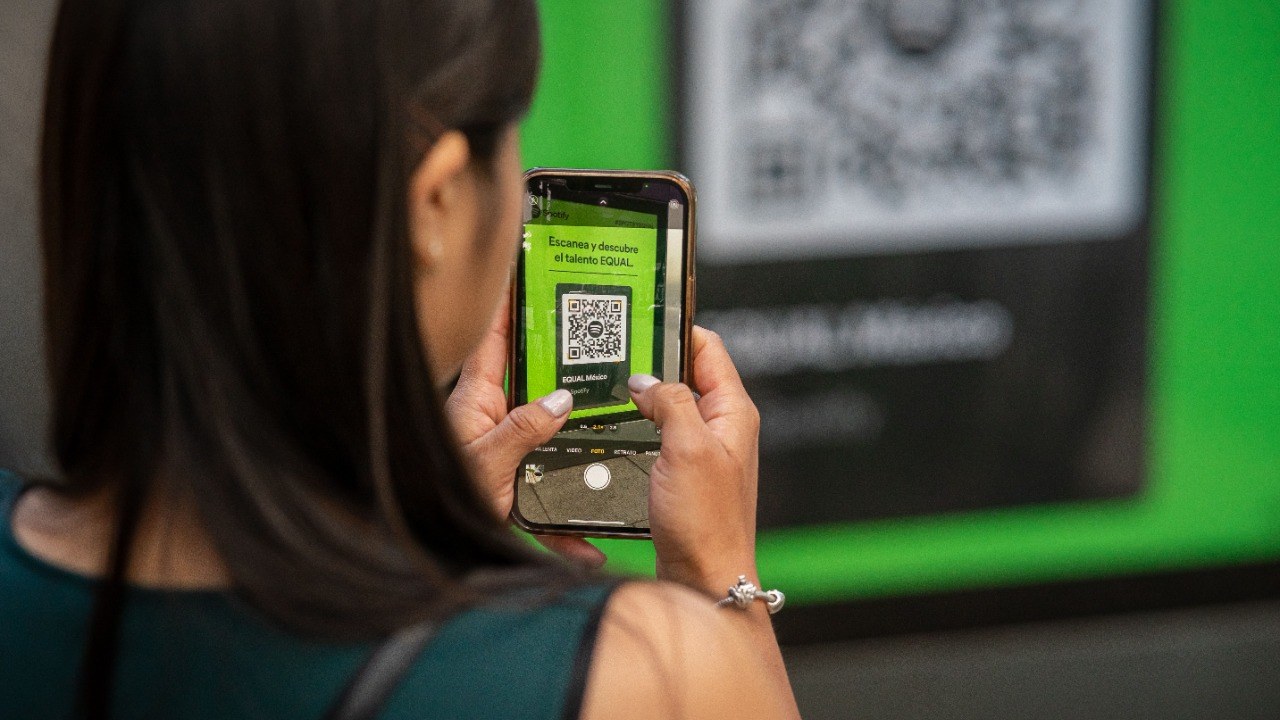
Scammers posing as police officers, sheriff’s deputies and federal agents are the subject of a new warning from Social Security’s Office of the Inspector General, which says they are telling victims to load money onto QR codes and barcodes at a retail store, and that some victims lose thousands of dollars. The alert, titled “Think Before You Scan – Beware of QR Code Phishing,” was published on September 28, 2026. The office calls the scheme a fast-growing twist on old-fashioned gift card scams.
The trick skips cash and wire transfers. A caller or text sender says the victim owes a fine or debt, or that a family member has been arrested and needs bail, then sends one or more barcodes or QR codes by text or email. The victim is told to go to a store, load money onto each code and read the code back once it is paid. Hanging up and calling the agency on a number from its official website is the inspector general’s advice.
What changed this year: Social Security and Medicare change every year, and nobody sends you a memo. The Retirement Money Brief breaks down what changed and what to do. Bonus when you subscribe: our Scam & Identity-Theft Action Card.
Get the Brief and the scam action card →
We may earn a commission from links on this page.
How does the QR code and barcode scam work?
According to the inspector general’s alert, the scammers swap the usual gift cards for codes they send directly. The victim loads money onto each barcode or QR code at a retail store and then reads the code back to the caller once it is paid. At that point the caller holds the value that was loaded.
The alert says some victims lose thousands of dollars, often without ever giving up a Social Security number or other personal information. That detail matters for older adults who have been warned to guard their numbers: in this scam the loss happens through the payment itself.
Who do the callers say they are?
The inspector general lists police officers, sheriff’s deputies and federal agents as the identities scammers borrow. The alert also describes callers who pose as a family member, often an adult child. The stories fall into two types: a fine or debt that must be paid at once, or a relative who has been arrested and needs bail money.
Both stories lean on urgency. The alert tells readers to pause, because scammers create pressure so that victims will not have time to think or talk to others.
Why can the voice sound like family?
Victims may hear what sounds like their own relative asking for help. The inspector general warns that “voice cloning technology is easy, inexpensive, and readily available,” which means a familiar voice on the phone no longer proves who is calling.
The office’s advice is to treat the request itself as the warning sign. A call that moves from a story to a store trip and a barcode is the pattern, whoever the caller claims to be.
What will law enforcement never ask for?
The alert states it plainly: “Law enforcement officers will NEVER demand immediate payment by sending barcodes or QR codes.” It says the same is true of Social Security, the inspector general’s office and other government agencies.
The recommended steps are short. Hang up or ignore any message that asks for money to be loaded onto a barcode or QR code, because “it’s a scam.” Never trust a call transfer; hang up and call the agency using a number from its official website. Report Social Security-related attempts at ssa.gov/scam, call the inspector general’s Fraud Hotline at 1-800-269-0271, and report to the FTC at ReportFraud.ftc.gov.
The open question for a household is what to do in the first hour if a code has already been read aloud. The alert gives the reporting channels and leaves the rest to the victim.
Already read a code to a caller?
A victim who has read a barcode back to a caller has handed over spendable money, and the next hour decides what can still be reported and recorded. This scam often takes money without a Social Security number, and the follow-on risk is a second try using whatever the caller learned.
The Senior Fraud Defense & First-Hour Recovery Kit includes the free credit-freeze steps for that second risk, along with a first-hour recovery plan and a fraud evidence and report log for keeping the details of each report in one place.
Get the first-hour plan and report log in The Senior Fraud Defense & First-Hour Recovery Kit →
More Financial Reading
- 21 Ways to Stretch a $2,087 Social Security Check
- 15 Places to Find Your Share of the $4.25 Billion States Give Back
- 21 Ways Retirees Can Raise $1,000 Fast Without a Job
This article was produced with AI assistance and edited for accuracy against the sources linked above.


