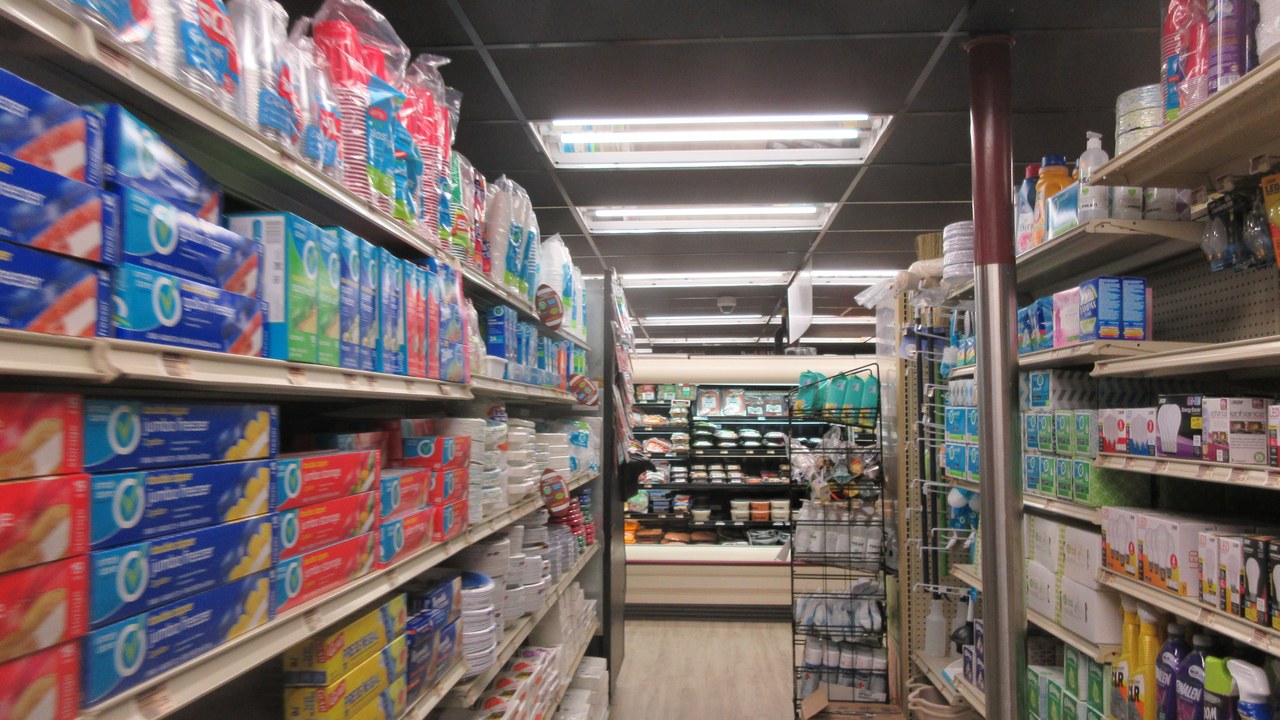
Kroger, the Cincinnati-based grocer, says it will put $5 billion into lower prices through 2029, and the first wave of new everyday shelf prices is due at about 250 stores by the end of this year. The company laid out its first multi-year plan at an investor update on October 20, 2026. The catch for shoppers is timing: the price cuts arrive in stages, and the company has not named which stores come first.
What did Kroger actually promise?
In its October 20 news release, Kroger described a plan to “deliver more value for customers through a self-funded plan.” Chief executive Greg Foran said the company is “making value more visible and focusing resources closer to the customer.” The release itself does not carry a dollar figure.
The number comes from coverage of the investor update. Grocery Dive reports that Kroger aims to self-fund a $5 billion investment in value initiatives by 2029 by cutting costs and relying less on promotions. 24/7 Wall St. quotes chief financial officer David Kennerley: “A $5 billion investment in customer value is the largest single driver in this plan, and it is entirely self-funded.”
Retirement deadlines, in your inbox: Miss an enrollment or claim deadline and the money can be gone. The Retirement Money Brief keeps you ahead of the ones that matter, every weekday.
Get the Retirement Money Brief →
We may earn a commission from links on this page.
Will the price cuts reach my store?
Shoppers who want to know whether their store is in the first group have no list to check. According to 24/7 Wall St., new everyday shelf prices reach about 250 stores by year-end, and “the new pricing reaches roughly 450 more locations in 2027.” That is roughly 700 stores over two rollouts, and Kroger’s October 20 release does not name them.
Households that shop at a Kroger-owned banner outside the first 250 will keep paying current shelf prices through at least the start of 2027. Anyone planning a monthly food budget around the announcement should treat the $5 billion as a multi-year program, not a price drop that lands this week.
Fewer promotions, more private label
The plan trades sales for lower base prices. Kennerley told investors the company will “steadily reduce reliance on the lower return and overly complex promotions,” according to Grocery Dive. Mary Ellen Adcock, Kroger’s chief merchant and marketing officer, said the customer effort centers on “lowering everyday prices” and simpler promotions. Shoppers who build their trips around weekly digital coupons may see fewer of them.
Kroger is also leaning on its own brands. Grocery Dive reports Adcock said the company is on pace to raise private label penetration to 40% from 35%, with the Private Selection line projected to grow 15% a year through 2029 and 1,000 Smart Way items to be added. Kroger also wants to source about 10% of its products directly by 2029, up from less than 1% now, which it says gives it a clearer view of what it pays.
How is Kroger paying for it?
The savings are meant to come from inside the company. 24/7 Wall St. reports Kroger will cut about a third of its corporate roles over three years, roughly 37% of about 8,200 corporate staff, with some non-store work moving to a center in Bengaluru, India. The outlet notes Kroger has not said AI will replace specific roles. Kroger also set targets for about 3% comparable sales growth by 2029, excluding fuel and pharmacy, and $500 million in added e-commerce earnings.
None of that changes what a household pays at the register in the meantime. The open question for a shopper on a fixed income is which help with food and household costs exists today, because Kroger’s own cuts will take until 2027 to reach another 450 stores.
Need grocery help before Kroger’s lower prices arrive?
Kroger’s cuts roll out store by store through 2027, and promotions that stretch a food budget today are the thing the company says it will reduce. Programs that help with food and other household bills have to be applied for, and a missed one is simply not paid.
The Benefits Checklist is a different kind of help than a lower shelf price. It scans 11 benefit programs, including SNAP food benefits at 60 and older, with the 2026 income limits and a 50-state phone directory. A printable tracker comes with the download.
Scan the 11 programs in the Benefits Checklist while Kroger’s prices phase in →
More Financial Reading
- 21 Ways to Stretch a $2,087 Social Security Check
- 15 Places to Find Your Share of the $4.25 Billion States Give Back
- The New $6,000 Senior Deduction and 14 More Tax Moves for Retirees
This article was produced with AI assistance and edited for accuracy against the sources linked above.