
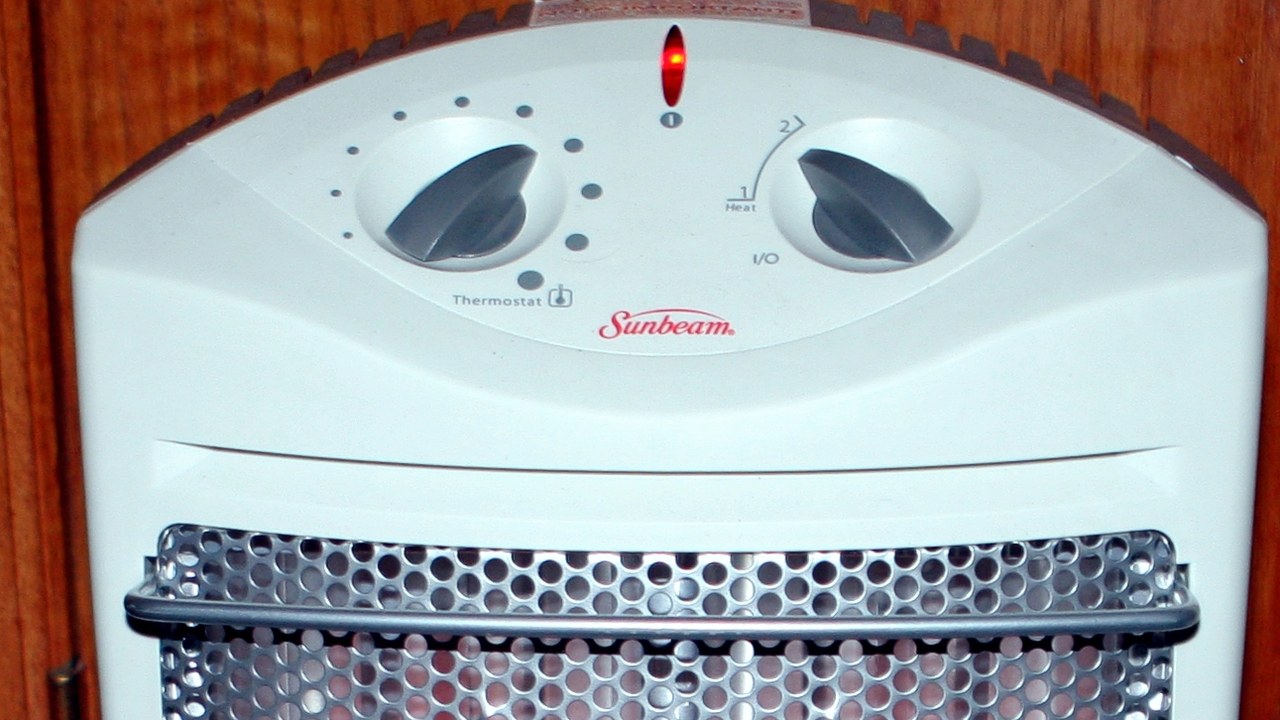
Kansas customers who fall behind on a heating bill can keep their service on through cold weather by agreeing to a payment plan that stretches the overdue balance over twelve months. The Kansas Corporation Commission, which regulates the state’s utilities, lays out the terms in its Cold Weather Rule. The plan is a condition of the protection, not something that happens automatically.
The arrangement is made by calling the utility, and it matters most when the forecast turns cold.
What does a Kansas customer have to agree to?
Under the commission’s Cold Weather Rule summary, the standard plan has the customer pay one twelfth of the overdue amount plus one twelfth of the current bill. The customer also pays all disconnection and reconnection fees and any deposit owed. The rest of the overdue balance is paid in equal payments over the next 11 months.
A customer who can do better can ask for a faster plan. The commission says a plan can be negotiated to clear the overdue amount in fewer than twelve months.
Retirement deadlines, in your inbox: Miss an enrollment or claim deadline and the money can be gone. The Retirement Money Brief keeps you ahead of the ones that matter, every weekday.
Get the Retirement Money Brief →
We may earn a commission from links on this page.
When can a Kansas utility actually shut off heat?
The commission ties the rule to the forecast. A utility cannot disconnect when the forecast for the following 48 hours is below 35 degrees Fahrenheit. A utility may start final notice and disconnection if the 48-hour forecast is above 35 degrees.
If the forecast changes during that period to below 35 degrees, the utility cannot disconnect until a new 48-hour forecast above 35 degrees is issued. The commission adds that to prevent disconnection at 35 degrees or above, or to be reconnected at any temperature, a customer must make pay arrangements with the utility.
What else does the commission expect from the customer?
The agreement comes with obligations on the customer’s side. The customer must keep paying full bills for new service while paying off the overdue amount and must apply for federal, state, local or special funds the household qualifies for. A customer who has fallen behind on a previous payment plan and cannot catch up has to make a new agreement with the utility. A customer who used service illegally must pay for the value of that service.
The rule is written for electric, gas and water service, and the commission’s page speaks to customers in general terms rather than setting out separate eligibility tests.
What does the utility have to do before a shutoff?
The utility has duties as well. According to the commission, it must tell the customer about the Cold Weather Rule payment plan and other available plans, and it must tell the customer about agencies with funds to help pay utility bills.
It must send written notice at least 10 days before disconnection and attempt a phone call or personal contact the day before. Customers with questions can reach the commission at (800) 662-0027. The commission also offers a bilingual English and Spanish Cold Weather Rule flyer on its website.
Put simply, the protection and the payment plan work together. The 35-degree forecast stops a disconnection on a cold stretch, but the commission says the arrangement is what keeps service on or gets it restored. Anyone already shut off is in the same position: reconnection at any temperature requires pay arrangements with the utility first.
What is the first step before the first cold night?
The step that does the most is the earliest one: calling the utility listed on the bill and asking for the Cold Weather Rule plan before a final notice arrives. The commission’s page does not list the utility’s phone number, so the bill or the utility’s website is where to find it. A household that waits risks reaching a forecast above 35 degrees with no arrangement on file.
Behind on a Kansas heat bill before the first cold night?
A twelve-month plan stops a shutoff only if every payment is made, and the plan also requires applying for any aid funds a household qualifies for. Missing one of those steps, or forgetting which agency was already contacted, can put a heating account back on the shutoff track.
The Senior Property Tax & Home-Cost Relief Kit points to heating, cooling and home-repair help and includes an application log and renewal calendar, so each application and each renewal date sits in one place. Part 5, “Utilities and Home Costs,” covers help with heat and power bills for older homeowners.
Get the heating-help guide and application log for a Kansas heat bill →
More Financial Reading
- 21 Ways to Stretch a $2,087 Social Security Check
- 15 Places to Find Your Share of the $4.25 Billion States Give Back
- 15 Ways Out of 22% Credit Card Interest
This article was produced with AI assistance and edited for accuracy against the sources linked above.


