
Massachusetts says it will cover the SMART solar charge on electric bills for three months this winter, January through March 2027. Gov. Maura Healey’s administration plans to move $80 million in state money to pay it, so the charge is not passed on to ratepayers.
The governor’s October 5 announcement says the state will transfer $80 million to eliminate the Solar Massachusetts Renewable Target program charge, known as SMART, from residential and commercial electric bills for those three months.
What the $80 million covers and for how long
The release is specific about the window. “For January-March 2027, the state will cover those costs so they are not passed on to residential customers.” The money does not end the SMART program. It pays the program’s bill-side cost for one winter quarter, and NBC Boston reports the program itself would keep operating.
The announcement describes no application for this piece. It describes the state paying the cost, so the benefit reaches households through lower bills rather than through a form. It does not say how the change will appear on a bill, which is a detail the utilities will have to show once January statements go out.
For a household, the question is what to expect and what to do. The SMART break is the part that arrives on its own, and only for three months. Heating help, such as fuel assistance, needs an application, and those programs have their own dates and income limits.
What changed this year: Social Security and Medicare change every year, and nobody sends you a memo. The Retirement Money Brief breaks down what changed and what to do. Bonus when you subscribe: our Property Tax & Utility Relief Finder.
Get the Brief and the relief finder →
We may earn a commission from links on this page.
The package is part of a larger winter plan announced alongside a declared State of Energy Emergency. Healey said at the announcement that the state would use every tool it has to get people relief, according to NBC Boston’s report. The same release put the average heating oil price at $6.08 a gallon on September 28, up 73 percent from $3.52 a year earlier.
It also cuts the Alternative Energy Portfolio Standard charge by 50 percent this winter through emergency regulatory action, which the state estimates at $20 million in relief. Citizens Energy, led by former Congressman Joe Kennedy III, is starting an Emergency Winter Warmth Fund with a $100,000 contribution.
What SMART is and why it shows up on bills
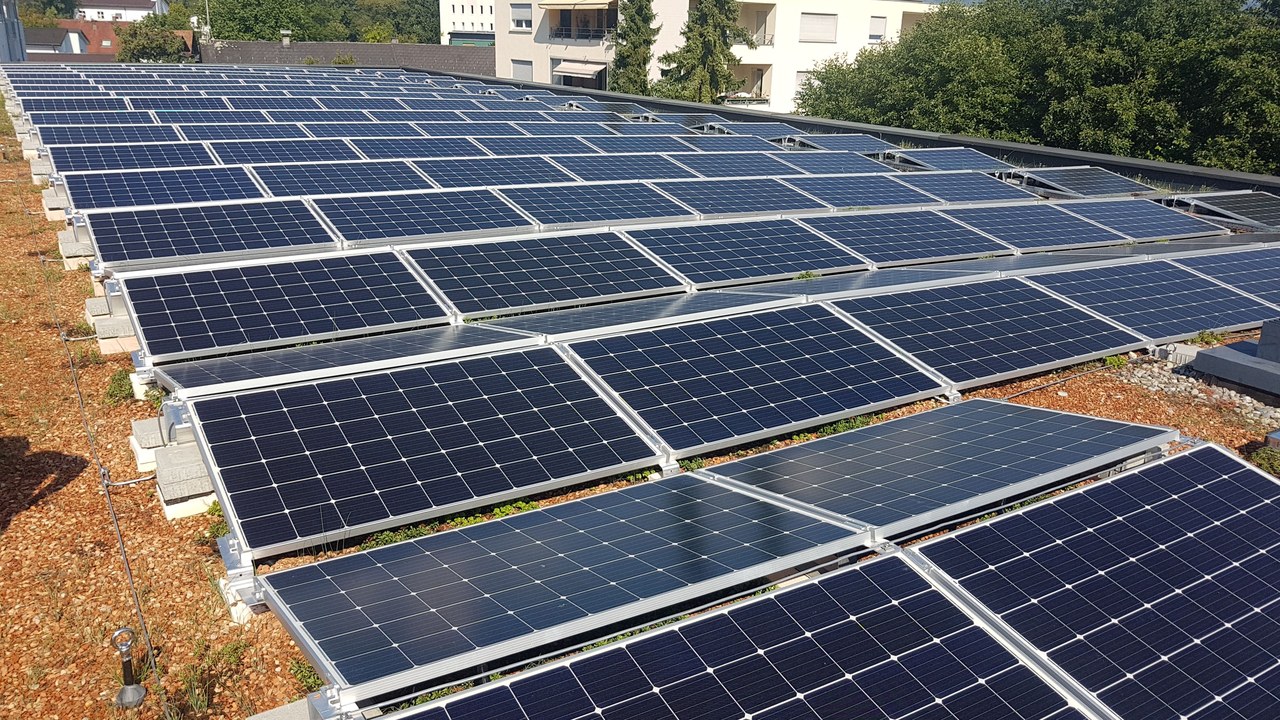
SMART is the state’s main solar incentive program. Solar Power World reported in June that it is the Commonwealth’s primary solar incentive program, with an estimated ratepayer cost of about $4.5 billion over 20 years under its latest version, which regulators approved on May 19, 2026.
The state had said earlier that it wanted to cut what solar costs customers. A June 2025 announcement from the state set a goal of removing or significantly reducing solar-related charges on customer electricity bills. The winter transfer is a short-term version of that goal.
The heating help that does need an application
The same announcement adds $15 million to the Home Energy Assistance Program, known as HEAP. Households that heat with oil get a 20 percent increase in assistance, and those that heat with utilities get a 15 percent increase. Current support ranges from about $525 to $1,200 per household, and the release puts the number of households helped at about 156,000.
The state’s heating help page says applicants apply through the HEAP portal at toapply.org/MassHEAP. For the 2026-2027 season, the household income limit at 60 percent of state median income is $53,585 for one person and $70,073 for two people. Renters whose heat is included in rent can qualify, and applicants do not need public assistance or unpaid heating bills. Assistance runs from November 1, 2026 through April 30, 2027. A separate one-time heating oil benefit of up to $680 opens to middle-income oil customers with applications in December 2026.
The new oil benefit is aimed at households above the HEAP income line. It covers households earning 60 percent to 100 percent of state median income, which for a family of four means more than $103,049 and up to $171,749, according to the governor’s release. The state expects it to reach about 50,000 households, running from December until April 30, 2027, or until the money runs out.
What the announcement leaves unsettled
The state says the overall plan is expected to lower bills for about 85 percent of ratepayers, though the release does not break that figure down by program.
NBC Boston reports that the gas tax suspension Healey proposed, a two-month pause of the 24-cent-a-gallon tax, needs support from lawmakers. The release and NBC’s report do not say whether the SMART transfer needs a separate legislative vote. Households can plan on the three-month break being the administration’s stated intent and watch the January bill to confirm it.
The open question for most Massachusetts households is which part of the package applies to their own bill and what has to be filed. SMART needs nothing from the household, while HEAP and the oil benefit need an application on the state’s own pages.
Bracing for a Massachusetts winter of heating and power bills?
The SMART break lasts three months and arrives without paperwork. The bigger winter costs, heating fuel and home repairs, are covered by programs that need applications, income paperwork and renewals, and a missed renewal date can mean a gap in help.
This story is about one charge on one bill, while the related job is keeping up with the programs that take applications. The Senior Property Tax & Home-Cost Relief Kit covers heating, cooling and home-repair help for older homeowners, with an application log and renewal calendar to track each program and its dates.
More Financial Reading
- 21 Ways to Stretch a $2,087 Social Security Check
- 15 Places to Find Your Share of the $4.25 Billion States Give Back
- 17 Medicare Money Moves Now That Part D Caps at $2,400
This article was produced with AI assistance and edited for accuracy against the sources linked above.


