
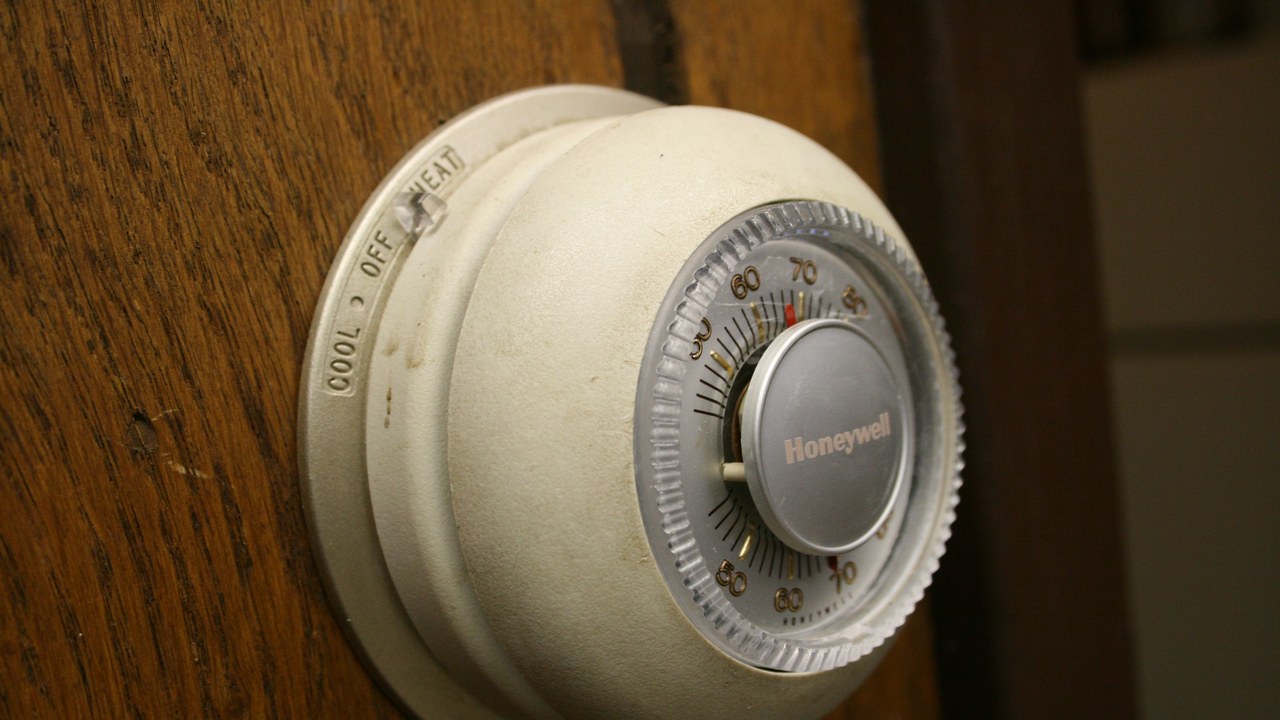
Heating help in Illinois and Iowa opens to every income-eligible household on November 1, a month after the first applications began for older adults and other priority groups. Illinois says its energy assistance program helped 360,500 households last season, with an average benefit of $676.
The money comes from the Low-Income Home Energy Assistance Program, known as LIHEAP, which helps pay natural gas, propane and electric bills. In Illinois, the Department of Commerce and Economic Opportunity says $240 million is available this year, and applications stay open through August 13, 2027, or until the money runs out.
Who can apply in Illinois now, and who waits
Since October 1, Illinois has been taking applications from older adults aged 60 and up, people with a disability, families with a child aged 5 or younger, and households that have been disconnected, have a disconnection notice, or have less than 25 percent propane in the tank. DCEO expects that group to be more than half of all applicants.
Everyone else who meets the income limit can apply starting November 1. Households qualify at up to two times the federal poverty level. For a 30-day period, the gross income limit is $3,990 for one person, $5,410 for two, $6,830 for three and $8,250 for four.
That gives each household a short list to run through before the date arrives. Does anyone at home fall into a priority group today, and if not, does a month of gross income, before taxes, sit at or under the limit for the household size? A retired couple with $5,000 a month in combined income, for example, falls under the two-person limit, while the same couple at $5,600 does not.
Free retirement updates: Miss an enrollment or claim deadline and the money can be gone. Join the free Retirement Money Brief and we’ll send you our free Property Tax & Utility Relief Finder as a welcome gift.
Get the newsletter + free relief finder →
We may earn a commission from links on this page.
Illinois offers three ways to apply. Applications can be filed online through the state, by phone at 1-833-711-0374, where help is offered in 30 languages, or in person at a local agency listed on DCEO’s community action agencies page. DCEO Director Kristin Richards urged Illinoisans to check their eligibility and prepare to apply.
The help comes in several forms. A one-time payment goes straight to the energy provider, and the program also covers crisis and reconnection help for heating emergencies. Furnace help is available to homeowners without a working furnace, depending on funding.
The programs are open to all income-eligible Illinois families, including qualified non-citizen families, who meet the criteria and provide proper documentation. Home weatherization through the Illinois Home Weatherization Assistance Program is also offered to cut energy use, and the Will County Center for Community Concerns has run both programs for Kankakee County since October 1.
Iowa follows the same calendar with its own income rule
The Iowa Utilities Commission says households with a resident aged 60 or older, a disabled resident or a housing crisis could apply starting October 1. All other renters and homeowners within federal poverty guidelines can apply beginning November 1, and the application period for everyone continues until April 30, 2027.
The Iowa limit is household income at or below 200 percent of the federal poverty guidelines, and the household must have an energy burden. Applications go through the local community action agency, which operates in every county, through Iowa Community Action or by phone at 515-776-8871.
The commission is clear about what the benefit is and is not. LIHEAP is not designed to pay a household’s total energy costs, and the amount depends on income, household size, dwelling type and heating fuel. Payments go directly to the utility or fuel vendor, with limited exceptions for heating costs included in rent. The commission adds that the September 2 stopgap spending law keeps LIHEAP funding at 2026 levels.
Iowa also has a winter shutoff protection. The commission says electric and natural gas utilities observe a moratorium on disconnections for qualifying customers from November 1 to April 1, and a customer who tells the utility about a pending LIHEAP application gets a 30-day stay of disconnection while the agency processes it.
Where the federal funding stands
State programs depend on Washington. The American Public Power Association reported on October 13 that the Department of Health and Human Services released $3.6 billion in fiscal year 2027 LIHEAP funding, equal to 90 percent of the annualized amount under the stopgap spending law.
The $676 average is last season’s number, not a promise for this winter. Benefit amounts can move with each state’s money, fuel prices and the size of the household. What stays fixed is the calendar, with priority groups in since October 1 and everyone else in on November 1.
The practical task for a household that does not yet qualify as a priority group is to have proof of income, a recent utility bill and identification ready so that the first week of November is spent applying, not hunting for paper. Households that already know their priority status can apply sooner.
Ready to apply for heating help on November 1?
Funds in both states can run out, and an application started late or without the right papers can push a shutoff notice past the date it was meant to prevent. Priority groups already have a month’s head start.
The Senior Property Tax & Home-Cost Relief Kit puts heating, cooling and home-repair help in one place, with an application log and renewal calendar so each date and each program stays straight. Its utilities section is paired with guidance on repairs and staying put in the home.
Get the heating and home-repair help guide with an application log for November 1 →
More Financial Reading
- 21 Ways to Stretch a $2,087 Social Security Check
- 15 Places to Find Your Share of the $4.25 Billion States Give Back
- The New $6,000 Senior Deduction and 14 More Tax Moves for Retirees
This article was produced with AI assistance and edited for accuracy against the sources linked above.


