
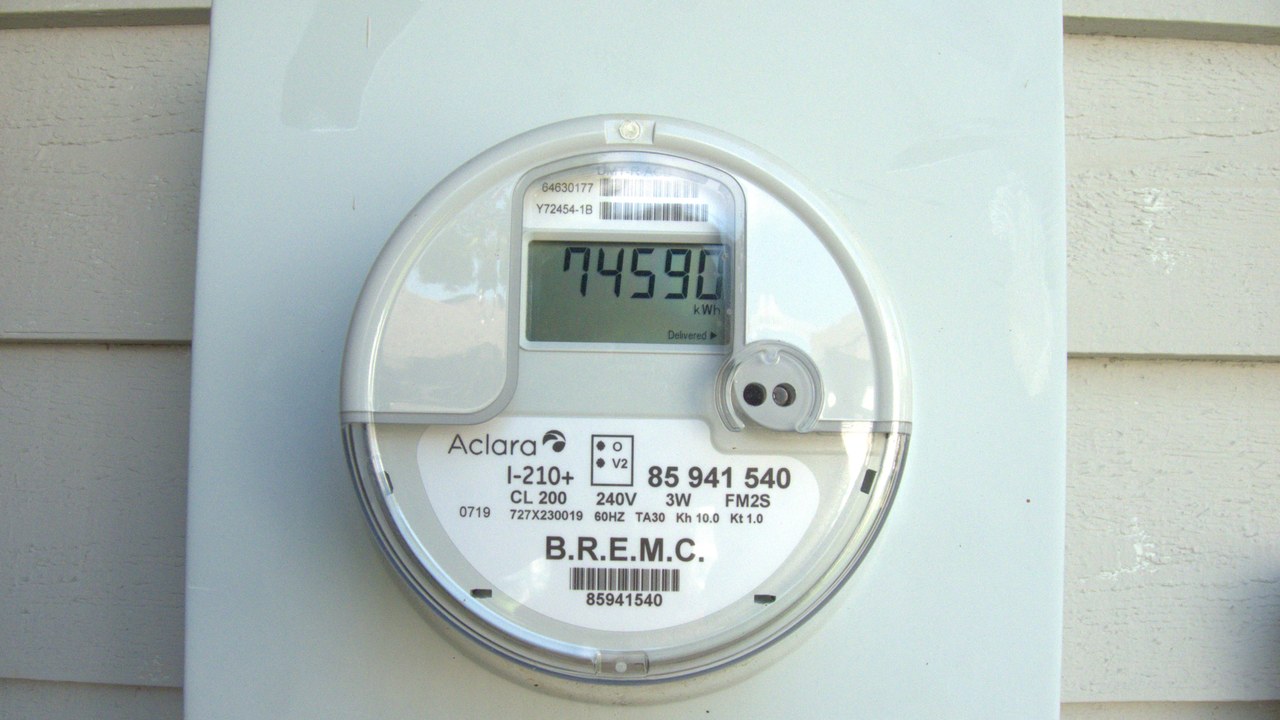
The U.S. Energy Information Administration forecasts that homes heated mainly with electricity will spend $1,637 on electricity this winter in the Northeast, $1,380 in the Midwest and $1,151 in the West. The numbers come from EIA’s Winter Fuels Outlook, released October 6, and cover November through March. The South is forecast at $1,079, and the national average for electric-heated homes is $1,196, up 4 percent from last winter.
Electric heat, region by region
EIA’s forecast of November-to-March electricity spending in homes that use electricity as the main heating fuel, and the change from the previous winter:
- Northeast: $1,637, down 3 percent
- Midwest: $1,380, up 3 percent
- South: $1,079, up 3 percent
- West: $1,151, up 9 percent
- U.S. average: $1,196, up 4 percent
Spread across the five months, that works out to roughly $327 a month in the Northeast, $276 in the Midwest and $230 in the West. These are averages for whole regions, so a large house, an older furnace or a cold snap puts an individual bill above them.
What does a household on a fixed income do about a $1,000-plus winter bill? Help with the bill is a separate application from paying it. USAGov’s page on help with energy bills says the Low Income Home Energy Assistance Program, known as LIHEAP, helps pay heating or cooling bills or get emergency services during an energy crisis, and that eligibility is based on income, with each state setting its own requirements.
A Northeast home on electric heat is forecast to spend $1,637 by March, and heating aid is something to apply for, not something that arrives on its own. The Senior Property Tax & Home-Cost Relief Kit, written for older homeowners, covers heating, cooling and home-repair help and includes an application log and renewal calendar for keeping each one straight.
Get the heating, cooling and home-repair help section of the Home-Cost Relief Kit →
Why the West is up 9 percent and the Northeast is down 3
EIA’s tables split the change into price and use. In the West, the price of electricity is forecast to average 20.47 cents a kilowatthour, up 1 percent, but consumption in electric-heated homes is up 9 percent. EIA expects a much colder winter there after an unusually warm one, with heating degree days, its measure of cold, up 25 percent.
The Northeast runs the other way. The forecast price is 26.19 cents a kilowatthour, up 4 percent and the highest of the four regions, but EIA expects a winter warmer than the relatively cold one before it, with heating degree days down 12 percent. Consumption drops 6 percent, which is enough to pull spending down 3 percent. The Midwest price is 16.87 cents, up 4 percent, with use down 1 percent and spending up 3 percent.
How electric heat compares with other fuels
EIA says it expects higher spending for households whose main heating fuel is electricity or heating oil, and lower spending for natural gas and propane households, who together make up about half of U.S. homes. Natural gas homes are forecast to spend an average of $640 this winter, down 9 percent. Propane homes are forecast at $1,246, down 3 percent. Heating oil homes, about 3 percent of households and mostly in the Northeast, are forecast at $2,115, up 21 percent, on a price of $5.26 a gallon that is up 34 percent.
EIA adds a caution: switching fuels would not necessarily lower a household’s costs. It also notes that the forecast assumes weather close to last winter nationally, and that a strong El Niño pattern identified by NOAA could cause large swings from the forecast. Its alternative cases run 10 percent colder or 10 percent warmer than the base case.
Lining up winter bill help while the heating season starts
USAGov lays out three steps for LIHEAP: answer a few questions to check eligibility, find the state or territory’s LIHEAP office, and apply. Some offices take online applications and others require them in person. The same page points to the Weatherization Assistance Program, which helps pay for home improvements that save energy and is run through a state office of its own, with income or benefits such as SSI or TANF as a basis for eligibility. Households can reach USAGov by phone at 1-844-872-4681.
The page adds a third route that is easy to miss: each state sets its own rules on when electricity or natural gas can be shut off for nonpayment, and protections can depend on the weather, a customer’s age, a disability and the utility. Gather the latest electric bill, proof of income for everyone in the household and the utility account number before calling, and ask the utility directly what it offers to a customer who is behind.
The forecast gives the planning number. A Northeast household can divide $1,637 by five and see what each month needs to cover, then compare that with what the bill actually was last January.
Five months of electric heat run $1,380 in the Midwest
Heating aid, weatherization and home repair run through different offices, each with its own application, and a household can lose track of which one is pending. The Senior Property Tax & Home-Cost Relief Kit puts heating, cooling and home-repair help for older homeowners in one place and adds an application log and renewal calendar to keep the dates together.
Keep heating-aid applications and dates in the Home-Cost Relief Kit’s log →
This article was produced with AI assistance and edited for accuracy against the sources linked above.


